5 Key Trends Shaping the Trucking Industry Today

Competition in the trucking business is more intense than ever.
Increasing fuel costs, changing regulations, driver shortages, and the necessity to implement new technology are no longer things of the future-it is all part of your daily grind.
Be it as a driver or as a fleet manager, the rate of change seems to be overwhelming. There is always uncertainty: Is automation coming to take away jobs? Will new emissions regulations change your routings? And how do you remain compliant and remain profitable?
It is paramount that you understand where the industry is going, should you wish to sail through these changes with clarity.
This blog unpacks the five biggest trends that are transforming the trucking world right now- so you can adapt, prepare, and succeed in the new world.
1. Push Toward Electrification and Clean Energy

Every week, the trucker news sources are highlighting the replacement of diesel with sustainable transportation. Government agencies in North America are adopting more stringent emission requirements, and large-scale manufacturers are coming up with electric and hydrogen-powered trucks.
Firms such as Tesla, Volvo, and Freightliner are already delivering, or testing electric rigs that will run cleaner and save fuel in the long-term.
Although these vehicles have their challenges, which include short range, high purchase costs, and incomplete charging infrastructure, the push toward cleaner fleets is gaining momentum. Fleets that start transitioning today can enjoy early tax incentives, lower maintenance costs, and a more eco-conscious image.
This can be a frightening trend for small carriers and independent drivers. However, by keeping abreast of trucker news, you can monitor the regional grant programs, clean-air standards and building infrastructure issues so that you can plan, rather than make a last-minute rush.
2. Driver Shortage and Retention Pressures
Driver recruitment has turned into a full-time war for many carriers. The sector is still reeling under the effects of an ageing workforce and high turnover rates. This situation highlights the essential role of a modern professional truck driving school in creating a fresh pipeline of skilled talent ready for the industry’s demands.
At the same time, younger workers are reluctant to enter the field, often citing long hours, extended time away from home, and limited career progression as deterrents.
To combat this, many companies are offering signing bonuses, pay raises, and enhanced benefits. But money alone isn’t solving the issue. Retention now hinges on quality of life—more predictable routes, flexible schedules, and better equipment.
Technology is playing a role here, too. Driver-assist features and in-cab comfort upgrades can make a big difference in daily satisfaction. As competition for qualified drivers heats up, companies that invest in retention—not just recruitment—are more likely to stay operational.
3. Rising Role of Automation and AI
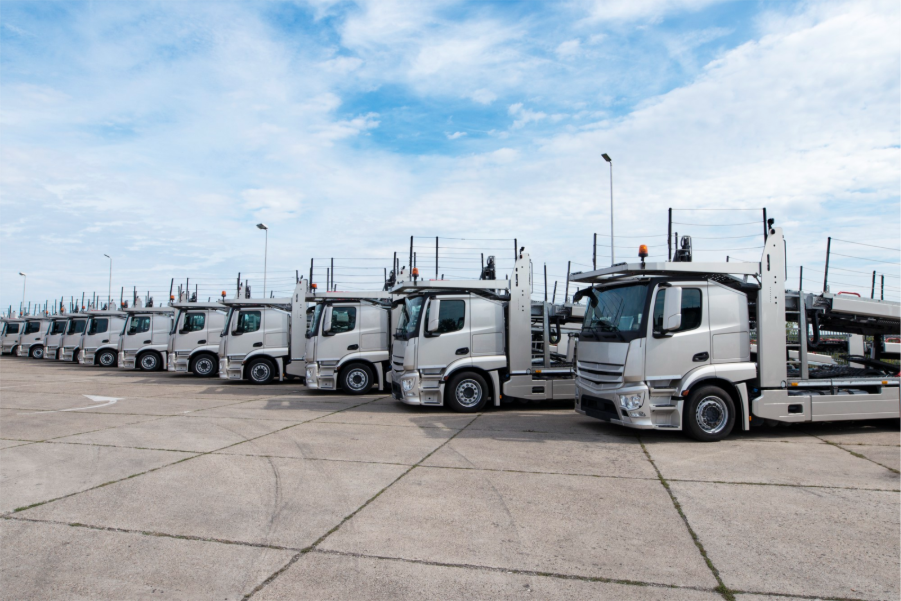
Automation in the trucking industry is no longer a distant dream—it’s arriving in stages. While full autonomous trucks may still be several years away from widespread use, semi-autonomous technologies are already improving safety and efficiency.
Lane-keeping systems, automatic braking, and adaptive cruise control are just the beginning. AI is also transforming logistics behind the scenes—optimizing routes, predicting maintenance needs, and improving fuel management.
What does this mean for drivers? Rather than eliminating jobs, automation is likely to change them. Roles will become more technical, and the human element—judgment, adaptability, customer interaction—will remain essential.
Keeping up with tech training and digital tools is no longer optional. Drivers and operators who embrace these changes will find themselves ahead of the curve in both efficiency and job security.
4. The Growth of E-commerce and Final-Mile Delivery
Consumer behavior has changed dramatically in the past few years. E-commerce growth has driven up demand for fast, reliable, and traceable deliveries. That means more short-haul and final-mile jobs, especially in urban areas.
This shift is reshaping freight movement. Large regional carriers are investing in final-mile solutions, while independent contractors are entering the market as gig-economy-style delivery drivers. Warehouses are moving closer to customers, reducing long-haul demand in some sectors and increasing the need for flexible routing.
For long-haul drivers, this may create new challenges—but also new opportunities. Those willing to adapt to regional delivery models may find more consistent work and better home time.
Understanding how freight patterns are shifting helps carriers realign resources and adapt their business models to changing logistics demands.
5. Increased Focus on Safety and Compliance Technology
Safety has always been a priority in trucking, but the tools to enforce and track it are evolving fast. Electronic Logging Devices (ELDs) are now mandatory in many regions, but they’re just the beginning. Dashcams, telematics systems, and driver monitoring tools are becoming standard in both large fleets and smaller operations.
These technologies provide real-time data on speed, braking, idle time, and driver fatigue. For fleet managers, this means better risk management. For drivers, it can mean more scrutiny—but also the ability to defend themselves against false claims.
Compliance systems are also simplifying reporting. Automation reduces paperwork and streamlines audits, helping you stay ahead of FMCSA or DOT requirements with less effort.
Adopting these tools early can improve safety scores, lower insurance premiums, and reduce the likelihood of costly downtime or fines.
Final Thoughts
The trucking industry is undergoing a transformation on multiple fronts. Clean energy mandates, labor shortages, automation, changing delivery patterns, and digital compliance tools are reshaping how freight moves—and who moves it.
Those who pay attention to these trends and respond with flexibility will find themselves with more options and better outcomes. Whether it’s updating your rig, rethinking your route structure, or learning new tech systems, now is the time to adapt.
Change is never easy, but in trucking, it’s the road ahead. With a clear view of what’s coming, you’re better equipped to stay on course and drive forward with confidence.