7 Eco-Friendly Practices for a Thriving Lawn and Landscape
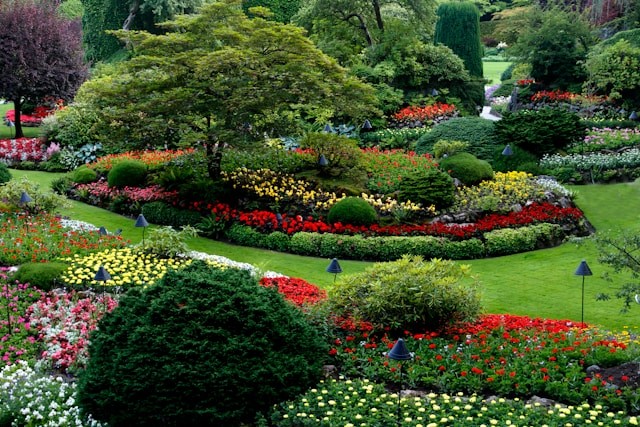
A beautiful lawn and landscape do not have to come at the expense of the environment. In fact, many traditional lawn care methods that rely heavily on excessive watering, chemical treatments, and wasteful maintenance practices can place unnecessary strain on natural resources. Today, homeowners are increasingly seeking sustainable ways to maintain attractive outdoor spaces while reducing their environmental impact.
Eco-friendly lawn care focuses on working with nature rather than against it. By adopting sustainable practices, homeowners can create healthier soil, encourage stronger plant growth, conserve water, and support local ecosystems. The result is a vibrant landscape that remains beautiful throughout the seasons while promoting long-term environmental health. Here are seven eco-friendly practices that can help your lawn and landscape thrive.
Build Healthy Soil with Organic Matter
Healthy soil serves as the foundation of every successful lawn and landscape. Soil rich in organic matter provides essential nutrients, improves water retention, and encourages beneficial microbial activity that supports plant growth.
Adding compost regularly is one of the most effective ways to improve soil quality naturally.
Compost enriches the soil with valuable nutrients while enhancing its structure and drainage capabilities. Grass clippings, leaves, and other organic materials can also be recycled into compost rather than discarded. You can also checkout Athena to learn more about nutrients and fertilizers.
When soil health improves, lawns become more resilient to drought, pests, and disease, reducing the need for synthetic inputs and costly interventions.
Water Efficiently and Strategically
Water conservation plays a critical role in eco-friendly landscaping. Many lawns receive more water than necessary, leading to waste, shallow root systems, and increased vulnerability to stress.
Deep, infrequent watering encourages roots to grow deeper into the soil, making grass more self-sufficient during dry periods. Watering early in the morning also minimizes evaporation and allows the lawn to absorb moisture more effectively.
Installing rain sensors, drip irrigation systems, or smart controllers can further improve water efficiency. These tools help ensure that landscapes receive the right amount of moisture without excessive runoff or waste.
Choose Native and Climate-Appropriate Plants
Native plants are naturally adapted to local climate conditions, making them an excellent choice for sustainable landscaping. They typically require less water, fertilizer, and maintenance compared to non-native species.
In addition to their efficiency, native plants provide valuable habitat and food sources for pollinators, birds, and beneficial insects. Incorporating native grasses, shrubs, flowers, and ground covers into a landscape can significantly increase biodiversity.
A thoughtful combination of native and climate-appropriate plants creates a visually appealing landscape while supporting ecological balance and reducing maintenance demands.
Mow Smarter for Healthier Grass
Proper mowing practices contribute significantly to lawn health and sustainability. Cutting grass too short can stress the lawn, increase water requirements, and create opportunities for weed growth.
Maintaining the appropriate mowing height for your grass type encourages stronger root development and better moisture retention. Taller grass naturally shades the soil, helping reduce evaporation and suppress unwanted weeds.
Leaving finely chopped grass clippings on the lawn, a practice known as grasscycling, also returns valuable nutrients to the soil. This simple habit reduces yard waste and decreases the need for additional fertilizer.
Reduce Chemical Dependence
Excessive use of pesticides, herbicides, and synthetic fertilizers can negatively affect soil health, water quality, and beneficial organisms. Eco-friendly lawn care emphasizes prevention and natural management techniques whenever possible.
A healthy lawn is naturally more resistant to many common problems. Proper watering, mowing, fertilization, and soil care often reduce the need for chemical treatments. Organic fertilizers and biological pest control methods can provide effective alternatives while minimizing environmental risks.
Many homeowners also turn to experienced local lawn care services that specialize in environmentally responsible practices and sustainable lawn management strategies tailored to regional conditions.
Encourage Beneficial Wildlife
A thriving landscape extends beyond grass and plants. Beneficial insects, birds, and pollinators contribute to the overall health of the ecosystem by supporting pollination and helping control pest populations naturally.
Planting flowering species that bloom throughout the growing season can attract bees, butterflies, and other pollinators. Providing birdhouses, native shrubs, and water sources can further encourage wildlife activity.
Creating a balanced outdoor environment helps reduce reliance on chemical interventions while fostering a healthier and more vibrant landscape.
Mulch Landscape Beds Effectively
Mulching is one of the simplest and most effective eco-friendly landscaping practices. Organic mulch helps retain soil moisture, regulate soil temperature, suppress weeds, and gradually improve soil quality as it decomposes.
Materials such as shredded bark, wood chips, pine needles, or compost make excellent mulch choices. Applying a layer of mulch around trees, shrubs, and garden beds reduces water loss and decreases maintenance requirements.
Proper mulching also creates a finished, attractive appearance while supporting long-term plant health and sustainability.
Conclusion
Creating a thriving lawn and landscape does not require excessive resource consumption or intensive chemical treatments. By focusing on healthy soil, efficient watering, native plants, responsible mowing, reduced chemical use, wildlife support, and effective mulching, homeowners can cultivate outdoor spaces that are both beautiful and environmentally responsible.
These eco-friendly practices offer lasting benefits for the landscape, local ecosystems, and future generations. With consistent care and thoughtful management, a sustainable lawn can remain healthy, vibrant, and resilient throughout the year while contributing positively to the environment.