Bed Bug Infestation Symptoms: Top Signs You Shouldn’t Ignore
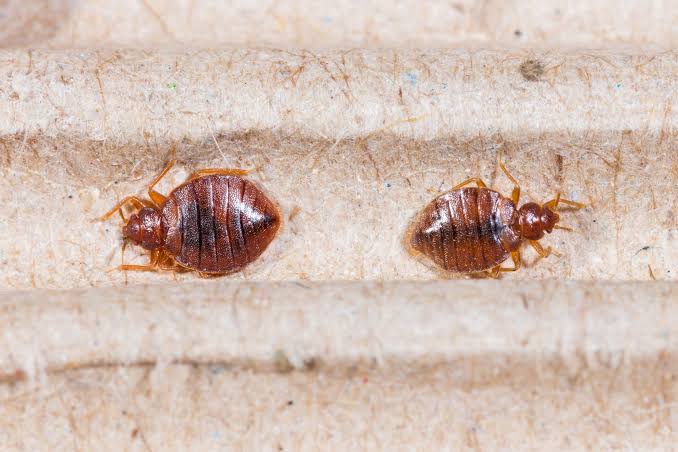
A bed bug infestation rarely becomes obvious overnight. In most cases, bed bugs remain hidden during the early stages, allowing their population to grow before homeowners notice a problem. Fortunately, recognizing the warning signs early can help prevent a minor issue from becoming a widespread bed bug infestation. The sooner you identify the symptoms, the sooner you can take action and reduce the risk of bed bugs spreading throughout your home. This guide explains the most common signs to watch for, where to inspect, and what those symptoms may reveal about the infestation.
Common Bed Bug Infestation Symptoms
A bed bug infestation often reveals itself through several noticeable symptoms rather than a single sign. While a single symptom alone does not always confirm a bed bug infestation, finding multiple signs together makes an infestation much more likely.
One of the earliest symptoms is bed bug bites. Although reactions vary, the bites often share a few common characteristics:
- Appear in small clusters or straight lines
- Develop on exposed areas of the body after sleeping
- Cause itching that ranges from mild to intense
- Become more noticeable over several days
Another common symptom is the appearance of small blood stains on sheets or pillowcases. These stains can occur when a recently fed bed bug is accidentally crushed during the night. Although blood spots may have other causes, they become more meaningful when accompanied by additional signs of a bed bug infestation.
You may also notice dark fecal spots, which are another strong indicator. These tiny black or dark brown marks resemble ink dots and may smear when wiped with a damp cloth. As the infestation grows, these spots often become more frequent.
Finally, watch for signs that bed bugs are reproducing. These include:
- Shed skins are left behind as young bed bugs mature
- Tiny white eggs
- Empty eggshells after hatching
Because these symptoms often appear together, paying attention to the overall pattern helps you recognize a bed bug infestation before it becomes more widespread.
Where to Look for Bed Bug Infestation Signs
Knowing where to inspect can make identifying a bed bug infestation much easier. Start with your mattress, paying close attention to seams, piping, labels, and folds where bed bugs prefer to hide during the day. Lift the mattress, if possible, and inspect both the top and the underside carefully.
Next, examine the bed frame and headboard. Check screw holes, joints, cracks, and any narrow spaces that provide shelter. Bed bugs often remain close to their food source, making these areas common hiding places.
If you do not find evidence around the bed, expand your inspection to nearby furniture. Upholstered chairs, sofas, nightstands, and dressers can all harbor bed bugs, especially when an infestation has begun to spread. Then inspect baseboards, electrical outlets, wall joints, and nearby cracks where bed bugs may travel or hide between feedings.
A thorough inspection of these locations provides a better understanding of whether a bed bug infestation is limited to one room or has spread to other parts of the home.
What Bed Bug Infestation Symptoms Can Tell You
The symptoms you find often provide valuable clues about the stage of a bed bug infestation.
Early Infestation
During the early stage, you may notice only occasional bites and very little physical evidence. A few dark spots or a single shed skin may be the only visible signs. At this point, bed bugs usually remain concentrated near the bed.
Growing Infestation
As the population increases, symptoms become easier to recognize. You may find more frequent bite activity, additional fecal spots, shed skins, and signs of bed bugs spreading to nearby furniture. A growing bed bug infestation often spreads beyond the mattress as available hiding places fill up.
Severe Infestation
A severe bed bug infestation leaves much more noticeable evidence throughout the room. Multiple hiding places, numerous fecal spots, larger numbers of shed skins, and visible live bed bugs become easier to find during inspections. At this stage, prompt professional treatment becomes especially important to prevent further spread.
Don’t Ignore the Signs of a Bed Bug Infestation
Early action makes a significant difference when dealing with a bed bug infestation. Recognizing the warning signs, inspecting the right areas, and seeking professional help before the population grows can save time, money, and frustration. If you suspect bed bugs in your home, learn the reason why professional intervention is essential, then call a bed bug exterminator to stop the infestation before it spreads further.