Brexit Reset: What It Means for European SEO
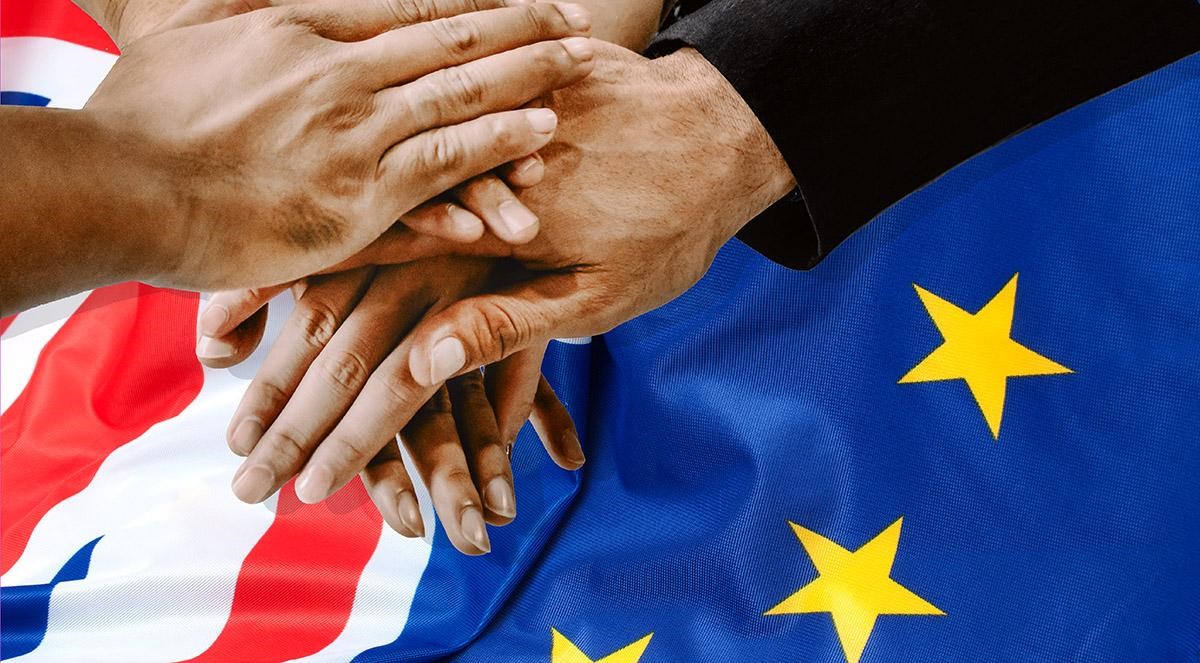
This year marks the 10-year anniversary of Brexit. Whether you were a devoted Remainer or a staunch Brexiteer, the last decade has seen the rules of European SEO change more times than the political promises of a leadership contest. Although Brexit itself didn’t change the fundamentals of SEO in Europe, it did have a profound impact on how UK and EU audiences behave. They became more clearly separate in ways that search engines, users and businesses themselves all recognised.
More recently, however, the UK and the EU entered what commentators now call a Brexit reset – in other words, a deliberate attempt to smooth the relationship that evolved after the initial exit deal and the Trade and Cooperation Agreement. This reset is about practical alignment on trade, as well as cooperation on regulatory frameworks rather than a rewind of Brexit itself. The question is, what does it mean for companies trying to boost their online presence in Europe? Does European SEO still work for UK companies? Let’s find out.
The way search engines interpret relevance has changed
One of the aims of the Brexit reset is to help businesses overcome practical barriers, for example by reducing border checks on food and agricultural products and aligning certain standards to ease exports and imports. For SEO, this matters because search engines increasingly consider legal and commercial signals. These might include whether your content accurately reflects the right rules, pricing, delivery and compliance expectations for a given country. Content that assumes the UK and EU function under the same standards is less likely to serve users well. In other words, it lacks authority – and crucially, local relevance.
How the Brexit reset affects European link building
The idea of a UK-EU Brexit reset is especially relevant when it comes to link building. To put it simply, a link that helps you gain visibility in London won’t necessarily have any impact in Bordeaux. UK link building still has a role to play, for example by building domestic trust and relevance, but European link building works best when it’s local. That means picking German trade magazines, reputable French business blogs or Dutch industry hubs, paired with pages in the local language.
Essentially, European SEO after the Brexit reset means building links that are locally relevant and using pages that are useful for that local audience. Since the Brexit reset is primarily about smoothing practical frictions between the UK and the EU, while remaining distinct entities, this approach is more important than ever.
For example, a link from a German trade site helps your visibility in Germany when the linked page:
- is in German (not just machine-translated);
- uses local currency, shipping details and VAT rules;
- answers questions that a German buyer actually has; and
- references standards or certifications appropriate to Germany.
Making sure the signals are consistent is at the heart of successful European SEO.
What about my UK guest posts?
Short answer: keep them, but don’t expect UK guest posts to magically boost your visibility across Europe. UK guest posts are still excellent for building your local brand identity, but their SEO impact is regionally limited. They tell Google your site matters to UK users. To influence rankings in other European countries, you need to focus on building links specifically in your target country (and even particular regions within it).
To do this, you’ll need to build links from (and post content on) sites audiences in those countries actually read. Of course, this means writing content in the native language, ideally with a link to a locally relevant page. A sensible plan is to keep flagship UK guest posts for the home market, and, rather than resorting to machine translation, instead work with a native writer who can adapt them. To signal relevance, this should include local examples and references, and links to local sites. This newly created content can then be pitched to relevant foreign outlets.
The technical bits
Once your copy has been localised, it’s important to think about how your site is structured for different countries. This involves deciding whether to choose a country-specific domain (in other words, setting up a .de site for Germany, a .fr site for France, etc) or keeping everything under your existing domain but setting up clearly defined country sections, such as www.example.com/de/. The second option can be easier to manage but the first sends a stronger signal that the content is aimed at a local audience.
Whichever option you go with, be sure to implement hreflang tags correctly so Google knows who each page is for. Finally, it’s worth putting in the effort to track performance by country, rather than just overall, to allow you to see which European links are really working.
For many companies, Brexit created a lot of additional red tape and even more confusion. As the UK had to start treating the EU like a “foreign country” again, that meant additional paperwork and new rules to grapple with. The Brexit reset represents a move towards pragmatic cooperation, and UK businesses that adapt their European SEO accordingly will see the payoff.