Can AI Generate Images in a Specific Art Style?
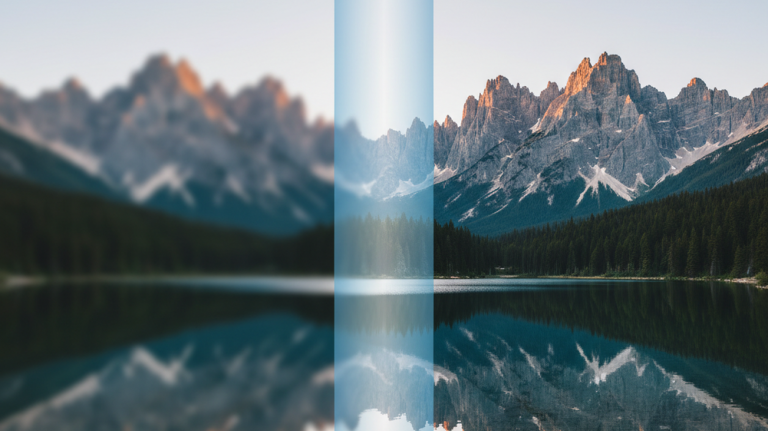
AI can generate images in many visual styles, but successful results depend on more than simply naming an artistic direction. The quality of a style comes from how clearly the prompt explains color, composition, lighting, texture, mood, and subject matter. Modern AI models also benefit from visual references that reinforce creative intent. When creators combine detailed instructions with thoughtful refinement, AI becomes a practical tool for producing illustrations, concept art, marketing visuals, and branded creative assets with a consistent artistic identity.
How AI Learns and Recreates Visual Styles
Style Is More Than an Artistic Label
Many people begin with prompts such as “watercolor,” “minimalist,” or “comic book.” While these descriptions provide direction, they rarely define an entire visual language. Every artistic style combines multiple characteristics that work together. Brush texture, edge softness, color relationships, perspective, lighting, and composition all influence how viewers recognize a particular look. Instead of relying on a single keyword, successful prompts describe how those visual elements interact. For example, explaining soft morning light, muted earth tones, textured brushstrokes, and simplified backgrounds provides richer guidance than naming an art movement alone. AI interprets these descriptive signals together, producing results that feel intentional rather than generic. The more specific the creative objective becomes, the easier it is for the model to translate written ideas into a convincing artistic interpretation.
Reference Images Strengthen Creative Consistency
Words describe ideas, but images communicate visual information directly. That is why reference images have become an important part of modern AI workflows. Rather than copying an existing artwork, references help establish visual priorities such as color harmony, material appearance, composition, or character design. Designers often use several references together to maintain consistency throughout an entire project. This approach works particularly well for storyboards, branding materials, product illustrations, or recurring characters. Kling AI allows users to upload optional references for style, composition, products, materials, or characters, giving the generation process a stronger creative foundation. Instead of recreating every visual detail through lengthy prompts, creators can combine written direction with carefully selected references to achieve images that remain visually connected across multiple outputs.
Blending Different Influences Creates Original Results
Interesting artwork often combines multiple creative influences instead of following one style rigidly. A fantasy landscape might borrow the lighting of traditional oil painting, the clean geometry of modern illustration, and the cinematic framing of contemporary film production. AI handles these combinations well when prompts describe each influence with clear priorities. Rather than asking the system to imitate one source completely, creators explain the atmosphere they want, the visual balance they prefer, and the emotional tone they hope to communicate. An AI image generator from text becomes especially valuable because it allows artists to experiment rapidly with different combinations until a distinctive visual identity emerges. Small prompt adjustments often produce meaningful stylistic differences, encouraging exploration without requiring the entire project to start over.
Turning Artistic Direction Into Practical Creative Work
Consistency Matters More Than Individual Images
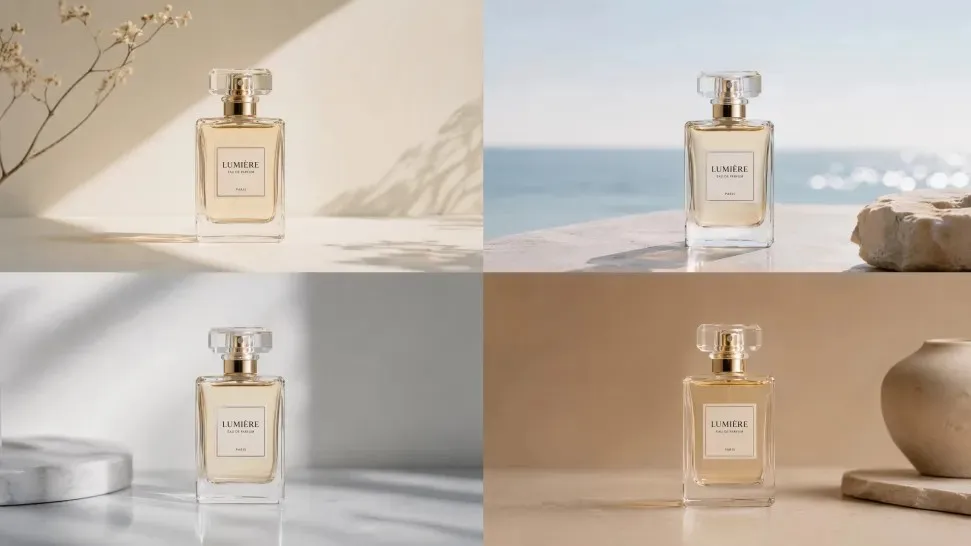
One beautiful image rarely completes a professional project. Businesses, publishers, game developers, and creative teams usually need collections of visuals that share the same artistic language. Readers notice when one illustration appears painterly while the next suddenly becomes photorealistic. Consistent framing, lighting, color palettes, and visual rhythm help every image feel like part of the same story. Planning a visual series before generating individual pieces often produces stronger results than creating unrelated images independently. Kling IMAGE 3.0 Omni supports this workflow by helping creators develop cohesive image series with unified creative direction, varied shot composition, and native 4K output. This structured approach allows designers to maintain artistic consistency while still introducing fresh perspectives throughout larger creative projects.
Prompt Refinement Shapes Better Artistic Outcomes
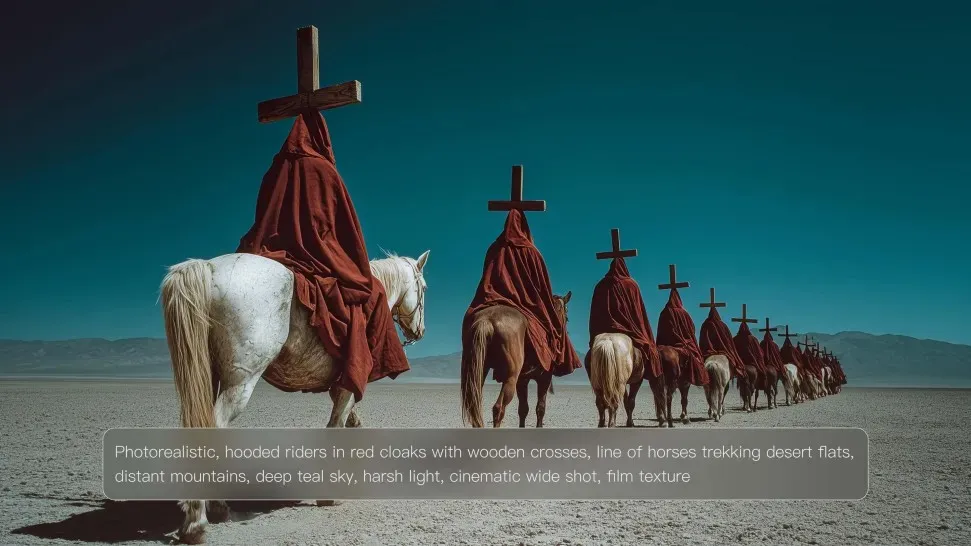
Few artists finish a painting after the first sketch. AI creation follows a similar process. The initial generation establishes the concept, while later refinements improve composition, lighting, colors, and fine details. Instead of rewriting an entire prompt, creators often adjust only one aspect at a time. Changing the lighting from midday to golden hour, softening color contrast, or increasing environmental detail can significantly influence the final appearance without losing the original concept. Kling AI supports iterative refinement, allowing creators to preserve successful visual elements while improving weaker ones. This gradual workflow gives artists more control over the creative process and encourages experimentation because every revision builds on previous progress rather than replacing it completely.
Style Becomes More Valuable When It Supports the Story
A memorable visual style always serves a larger purpose. Commercial campaigns, illustrated articles, educational graphics, comics, and product presentations all communicate information alongside aesthetics. When style reinforces the subject instead of distracting from it, viewers understand the message more quickly. A playful illustration style suits children’s education, while restrained minimalism often complements premium branding. Dramatic cinematic lighting may strengthen science fiction artwork, whereas gentle natural tones better support wellness or lifestyle content. Kling AI’s creative ecosystem extends beyond static images by connecting generated artwork to Image-to-Video workflows, making it possible to develop visual narratives that continue naturally into motion while preserving the same artistic direction across different forms of content.
Conclusion
AI can generate images in specific art styles with impressive flexibility when creators provide thoughtful guidance instead of relying on broad stylistic labels alone. Detailed prompts, carefully selected references, gradual refinement, and consistent visual planning all contribute to stronger artistic results. Rather than replacing creativity, AI expands the number of ways artists and designers can explore ideas. Platforms such as Kling AI support this process by combining prompt-based generation, optional visual references, cohesive image series, and flexible editing tools, making it easier to transform creative concepts into polished visual projects with a unified artistic identity.