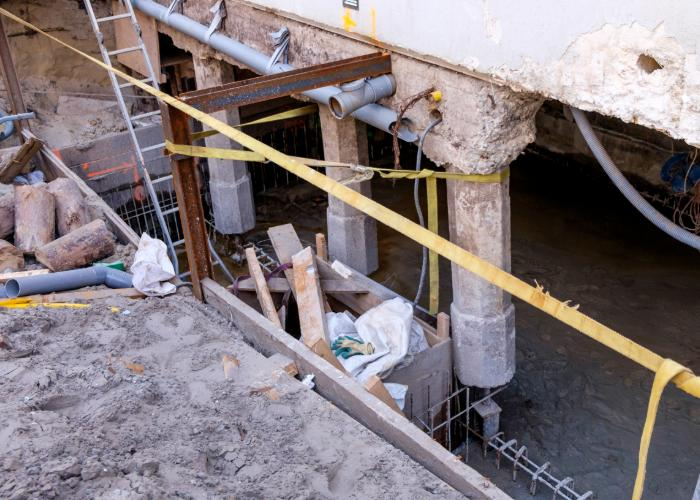
Concrete Foundation Repair: How Professionals Restore Strength and Stability
Your home’s foundation supports everything above it, and when it starts to fail, the rest of your structure can quickly follow. Cracks in walls, uneven floors, or doors that stick may seem minor, but they’re often early signs of foundation movement. Ignoring these problems allows damage to spread and can lead to expensive, long-term repairs.
Over time, natural forces like soil movement, moisture changes, and weather patterns can cause concrete to shift or weaken. Even the strongest foundation isn’t immune to the effects of expanding clay, poor drainage, or extreme temperature changes. These factors work together to create stress that eventually compromises the integrity of your home.
That’s why concrete foundation repair in Naperville is so important. Professional contractors use proven techniques to stabilize foundations, correct uneven settling, and strengthen concrete for lasting protection. Knowing the signs and solutions helps homeowners act quickly and keep their property safe.
Recognizing the Signs of Foundation Problems
Foundation damage rarely happens overnight. It begins small and gradually worsens if left untreated. Inside your home, you might notice cracks in drywall, uneven floors, or doors and windows that no longer close properly. These issues often signal that your foundation is shifting.
Outside, look for stair-step cracks in brick walls, gaps around window frames, or areas where the foundation appears to be pulling away from the structure. If you see any of these signs, it’s time to schedule a professional inspection before the problem grows.
What Causes Concrete Foundation Damage
The biggest cause of foundation damage is soil movement. In areas with clay-heavy soil, moisture levels play a major role. When the soil becomes saturated, it expands; when it dries, it contracts. This repeated cycle puts pressure on your foundation, eventually causing cracks or settling.
Poor drainage is another major factor. When water collects near your home’s base, it weakens the soil that supports the concrete. Plumbing leaks, tree roots, and freezing temperatures can also add stress, leading to gradual structural shifts. Once this happens, concrete foundation repair becomes essential to restore stability.
How Professionals Fix the Problem
The first step in any repair is a professional inspection. Contractors use advanced equipment to measure settlement, evaluate cracks, and identify what’s causing the damage. From there, they design a customized plan suited to your home’s foundation type and soil conditions.
One of the most common solutions involves installing support piers. These steel or concrete columns are driven deep into stable soil or bedrock and used to lift the foundation back into place. For smaller issues, cracks are sealed with epoxy or polyurethane injections to restore strength and prevent water intrusion.
In cases where the slab has sunk, technicians may use slab jacking (also called mudjacking). This method involves pumping a stabilizing material beneath the slab to raise it to its original level. Each approach is designed to restore the integrity of the concrete and prevent further movement.
Why Professional Repair Is Worth It
DIY patching products and quick fixes only cover up the symptoms of a larger issue. Without addressing the root cause, damage will return and likely worsen. Professional contractors, on the other hand, have the tools and expertise to perform repairs that last.
A skilled team understands local soil behavior, uses high-quality materials, and ensures your foundation is properly stabilized. Many companies also offer warranties, giving homeowners peace of mind that the repairs are durable and secure. Investing in concrete foundation repair protects your home’s structure and long-term value.
Preventing Future Foundation Issues
Once repairs are complete, homeowners can take a few steps to reduce the risk of future damage. Start by maintaining good drainage around your home. Keep gutters clear, and make sure downspouts extend several feet from the foundation. The soil around your house should slope slightly downward to direct water away.
During dry periods, use a soaker hose to maintain consistent soil moisture. Avoid planting large trees too close to the foundation, as their roots can disrupt the soil and pull out moisture unevenly. Finally, schedule regular inspections to catch minor issues before they escalate.
The Cost and Value of Repair
The cost of concrete foundation repair depends on the extent of the damage, the type of foundation, and the method used. Minor crack repairs are relatively affordable, while large-scale stabilization involving piers or leveling requires a higher investment. However, delaying repairs often results in more severe damage and higher costs in the long run.
A stable foundation doesn’t just protect your home; it adds value. Potential buyers are far more confident in a house that has undergone professional repairs and has proper documentation. Additionally, adequate repair eliminates structural risks, providing you with peace of mind and protecting your investment for the future.
Conclusion
Your home’s foundation is its most important structural element, and it deserves proper care. Even small cracks or uneven floors can be early warnings of bigger problems below the surface. Addressing issues promptly ensures your home remains safe, strong, and valuable for years to come.
For expert service and lasting results, contact Pro Foundation Fixers. Their experienced team specializes in concrete foundation repair, offering thorough inspections, customized solutions, and proven techniques to restore stability and ensure long-term durability. With reliable craftsmanship and long-term warranties, they’ll help you keep your home secure from the ground up.