Everything You Need to Know About RC Aircraft Plane
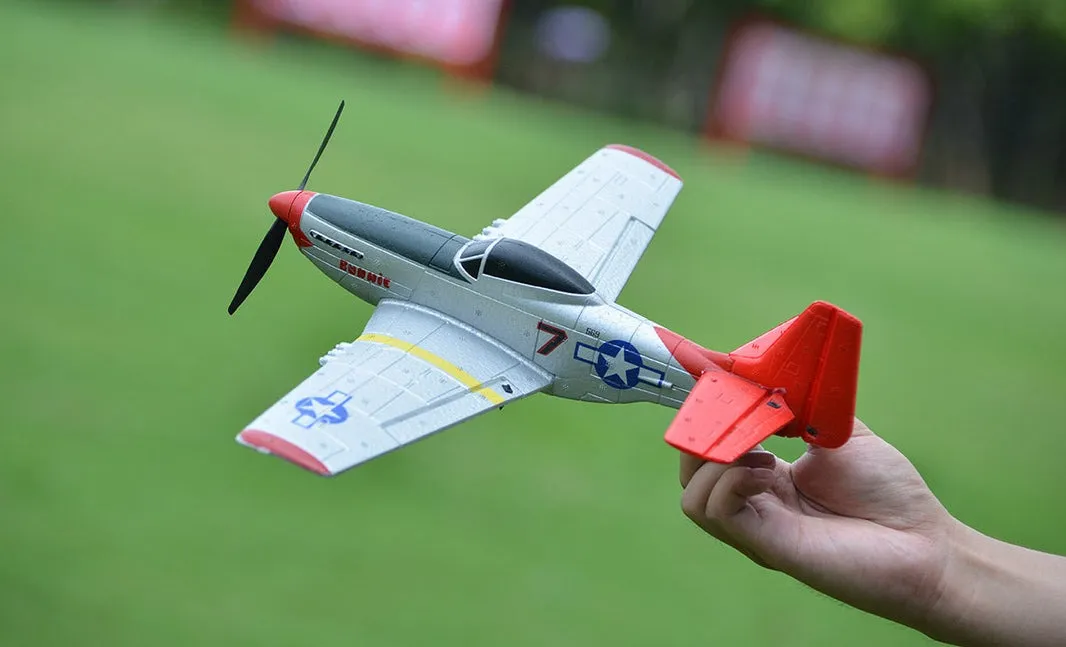
Radio-controlled model aircraft, often referred to as RC aircraft plane models, are a popular hobby among enthusiasts of all ages. These miniature flying machines offer a combination of engineering, aerodynamics, and remote control technology, providing both a recreational pastime and a means to engage with the principles of flight.
One of the primary categories in the RC hobbyist world is the RC aircraft plane. These models simulate the flight characteristics of real airplanes, varying from simple trainers for beginners to highly complex scale models for experts. Understanding the different types and features of RC planes can greatly enhance the experience for newcomers and seasoned flyers alike.
Types of RC Aircraft Planes
RC aircraft planes come in various designs, each suited to different skill levels and flying preferences. Trainers are typically designed for first-time pilots, incorporating features such as stable flight and durable construction. Sport planes offer enhanced agility and speed for more experienced users. Scale models are detailed replicas of specific real-world aircraft and are generally pursued by hobbyists interested in historical or military aviation.
Components of an RC Aircraft Plane
An RC aircraft plane typically consists of a lightweight frame often made from materials such as balsa wood, foam, or composite plastics. The power system includes an electric motor or internal combustion engine, along with a propeller that generates thrust. Control surfaces like ailerons, elevators, and rudders allow manoeuvrability, which is managed through a radio transmitter and receiver system.
Choosing the Right RC Aircraft Plane
Selecting the ideal RC aircraft plane involves considering factors such as skill level, budget, and intended usage. Beginners should prioritize stability and simplicity, opting for models with robust construction and forgiving flight characteristics. More advanced pilots might select models with advanced features such as aerobatic capabilities or scale realism. Additionally, understanding the maintenance requirements and availability of spare parts can influence the choice.
Essential Equipment and Accessories
A successful RC aircraft plane flying experience requires more than just the aircraft itself. A reliable radio transmitter is essential for control; many modern transmitters offer programmable features and telemetry. Batteries, typically lithium polymer types, provide the necessary power and should be chosen based on capacity and discharge rates. Additional equipment such as chargers, spare propellers, and tools are also vital for routine maintenance and repairs.
Safety and Regulations
Operating an RC aircraft plane safely is paramount. Flying in designated areas such as model aircraft clubs or open fields reduces the risk of injury or property damage. Additionally, understanding and adhering to local aviation regulations, including restrictions on altitude and no-fly zones, ensures compliance with legal requirements. Wearing protective eyewear and inspecting the aircraft before flight contribute to a safer flying environment.
Learning to Fly an RC Aircraft Plane
The learning curve for piloting an RC aircraft plane varies with the model and pilot aptitude. Beginners often start with simulators or trainer planes equipped with features like dual-rate controls and auto-leveling. Joining a model flying club provides valuable instruction and mentorship. Consistent practice focusing on basic maneuvers such as takeoff, straight flight, turns, and landing builds confidence and skill.
Maintenance and Repair
Regular maintenance of an RC aircraft plane ensures longevity and optimal performance. Inspecting the airframe for structural integrity, checking the control linkages, and verifying the motor and electronics function are routine tasks. Repairing minor damages with adhesives or replacement parts is common. Keeping the model clean and storing it properly when not in use prolongs its lifespan.
Advancements in RC Aircraft Plane Technology
Technological innovations continue to enhance the capabilities of RC aircraft planes. Improvements in battery technology have increased flight times, while lightweight materials improve manoeuvrability. Features like GPS stabilization and automated flight modes make RC flying more accessible to beginners. Additionally, the integration of first-person view (FPV) systems offers an immersive flying experience through onboard cameras.
Benefits of Engaging with RC Aircraft Planes
Engagement with RC aircraft planes provides a range of benefits beyond entertainment. It promotes learning in aerodynamics, electronics, and troubleshooting skills. Participation in the RC community fosters social connections through clubs and events. Moreover, the concentration and dexterity required can contribute positively to mental acuity and hand-eye coordination.
Environmentally Friendly Aspects
Modern RC aircraft planes mostly use electric power systems, which are cleaner and quieter compared to fuel-powered counterparts. This transition aligns with sustainable practices by reducing noise pollution and environmental impact. Users are encouraged to responsibly dispose of batteries and electronic components to minimise waste.
Joining the RC Aircraft Plane Community
For those interested in expanding their knowledge and experience, joining a community of RC aircraft plane enthusiasts is highly beneficial. Clubs often organise flying sessions, competitions, and educational workshops. Participating in these activities enriches the hobby and provides access to shared resources and collective expertise.
Common Challenges and Solutions
New users may encounter challenges such as signal interference, unexpected weather conditions, or mechanical failures. Familiarity with troubleshooting common issues, such as recalibrating controls and performing pre-flight checks, can mitigate risks. Understanding local weather patterns and choosing appropriate flight times also enhances safety and enjoyment.
Future Trends in RC Aircraft Plane Hobby
The future of RC aircraft planes is expected to witness integration with emerging technologies such as artificial intelligence for autonomous flight and augmented reality for enhanced piloting feedback. Continued development in materials science may lead to even lighter and more durable models. Additionally, expanding accessibility through affordable kits and comprehensive learning resources will attract new participants worldwide.
Conclusion
RC aircraft planes offer a multifaceted hobby that combines technical knowledge, skill development, and enjoyment of flight. Whether as a beginner or an expert, the right model and accessories, along with adherence to safety practices, can provide a rewarding experience. Engaging with the community and staying current with technological advancements further enrich this pursuit. Enthusiasts can explore a wide range of options, including the comprehensive selection of RC aircraft plane models available through specialised suppliers.