How to Identify the Right Appliance Replacement Parts
Taking care of essential household appliances extends their lifespan and helps them perform better each day. When an appliance stops working due to a faulty component, promptly finding and replacing the correct part can save valuable time and money. While this may seem daunting, it is manageable with some attention to detail and by leveraging resources such as Samsung Parts, which offers a broad range of parts for various brands and appliance types. Navigating this process requires a step-by-step approach to ensure you purchase the right part for your specific model and avoid complications down the line.
Understanding how to identify and order the correct replacement part for an appliance is crucial for maintaining machine functionality and avoiding costly errors. Many consumers face challenges, such as ordering incorrect components that do not fit or meet specifications. This guide provides effective steps for navigating common issues when searching for replacement parts for various appliances, including refrigerators and washing machines. By utilizing a methodical approach and accessing online resources, homeowners can efficiently troubleshoot and repair appliances, supported by online tutorials and manufacturer assistance.
Locate Your Appliance’s Model Number
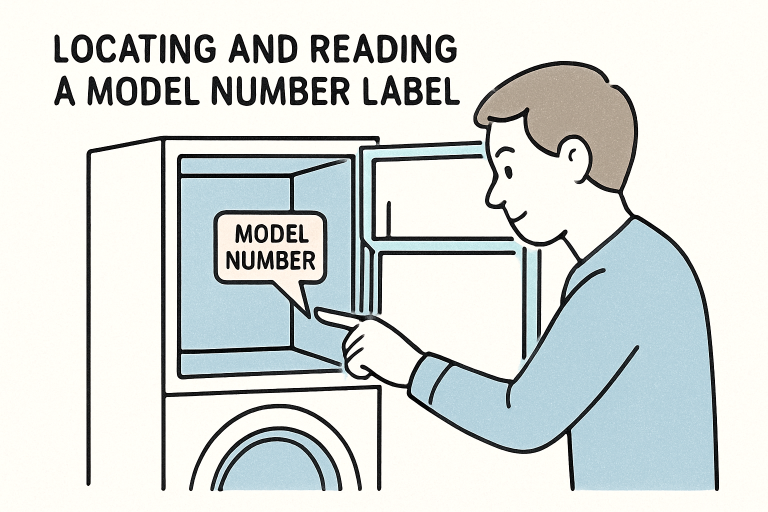
The foundation of finding the correct replacement part lies in identifying your appliance’s model number. This unique alphanumeric code is usually located in a specific, easily accessible place, but its location may vary depending on the appliance type. For refrigerators, check the side wall behind the crisper drawer or the door frame. Washing machines often display their model numbers inside the door frame, under the lid, or on the back panel. Similarly, dryers generally have this information on the door frame or just inside the door, while ovens and ranges keep it behind the oven door or under the cooktop. Dishwashers typically post model numbers on the inner edge of the door or frame. Carefully record this number. Even a single character difference can prevent you from getting the right part, delaying repairs or potentially causing other problems.
Understand the Difference Between Model and Part Numbers
It’s also important to distinguish between an appliance’s model number and the specific part number for the component you wish to replace. The model number identifies your entire machine, whereas the part number refers to an individual component within it. You may find part numbers stamped on the part itself, listed in the owner’s manual, or shown on manufacturer diagrams. Always double-check these numbers to avoid compatibility issues.
Use Manufacturer Resources and Authorized Dealers
With the model and part numbers in hand, consult the manufacturer’s official resources. Many brands offer online diagrams and support tools. For example, Whirlpool’s support site allows customers to view appliance diagrams and locate the exact part they need. Buying from authorized dealers is advisable as well. Genuine, certified parts are made to meet the performance and safety standards of your appliance, and ordering from reputable sources reduces the risk of errors or counterfeit products. For an extra layer of assurance, you can browse reputable online resources, such as the Consumer Reports appliance guide, to better understand your options and which suppliers have a strong track record.
Verify Compatibility Using Multiple Sources
Do not rely solely on labels that say “compatible with” on retailers’ pages. It is wise to cross-reference part numbers in several trustworthy locations. First, use the manufacturer’s official online parts diagrams by entering your exact model number. Second, check leading appliance parts databases to cross-reference OEM part numbers and see compatible alternatives. Finally, download the official service manual, which includes diagrams and detailed lists to confirm you are looking at the right part. Multiple authoritative sources help protect against common errors in part identification.
Consider the Quality and Source of Replacement Parts
Whenever possible, choose Original Equipment Manufacturer (OEM) parts. OEM parts guarantee the closest possible fit and optimal operation for your machine. On the other hand, cost or availability may sometimes lead you to consider generic or aftermarket options. When doing so, ensure these alternatives meet the relevant safety and performance standards. Purchasing from recognized sellers helps reduce the risk of receiving counterfeit or substandard items. Counterfeit parts could compromise your appliance’s performance, efficiency, or safety. The Federal Trade Commission (FTC) also recommends reviewing seller credentials and checking product reviews to minimize such risks.
Seek Professional Assistance When Necessary
While many parts can be replaced with a bit of DIY effort, some repairs involve electrical connections, fuel lines, or plumbing. If you feel unsure when assessing or installing a part, professional assistance is always a wise choice. Experts can offer reliable guidance, ensure your safety, and help prevent further damage to your appliance. A qualified technician can also identify any underlying problems and recommend the most cost-effective solutions.
Utilize Online Resources and Communities
Online forums, repair websites, and enthusiast communities are outstanding resources. Experienced homeowners and professional technicians often share their experiences and offer advice on locating hard-to-find parts, safely substituting components, and troubleshooting unusual appliance models. These communities are especially valuable when you encounter less common problems or appliances that are several years old.
Keep Records and Documentation
Finally, good record-keeping makes future repairs simpler. Maintain a log of model and serial numbers, appliance receipts, and any historical part-replacement details. This documentation is helpful if you ever need to consult a manufacturer, technician, or warranty service, and it supports a faster, more accurate repair process.
With a thoughtful approach and attention to detail, you can confidently identify and obtain the right replacement parts for any appliance, supporting both its efficiency and its long-term durability.