How Vets Manage Pets With Recurrent Gas Or Abdominal Discomfort
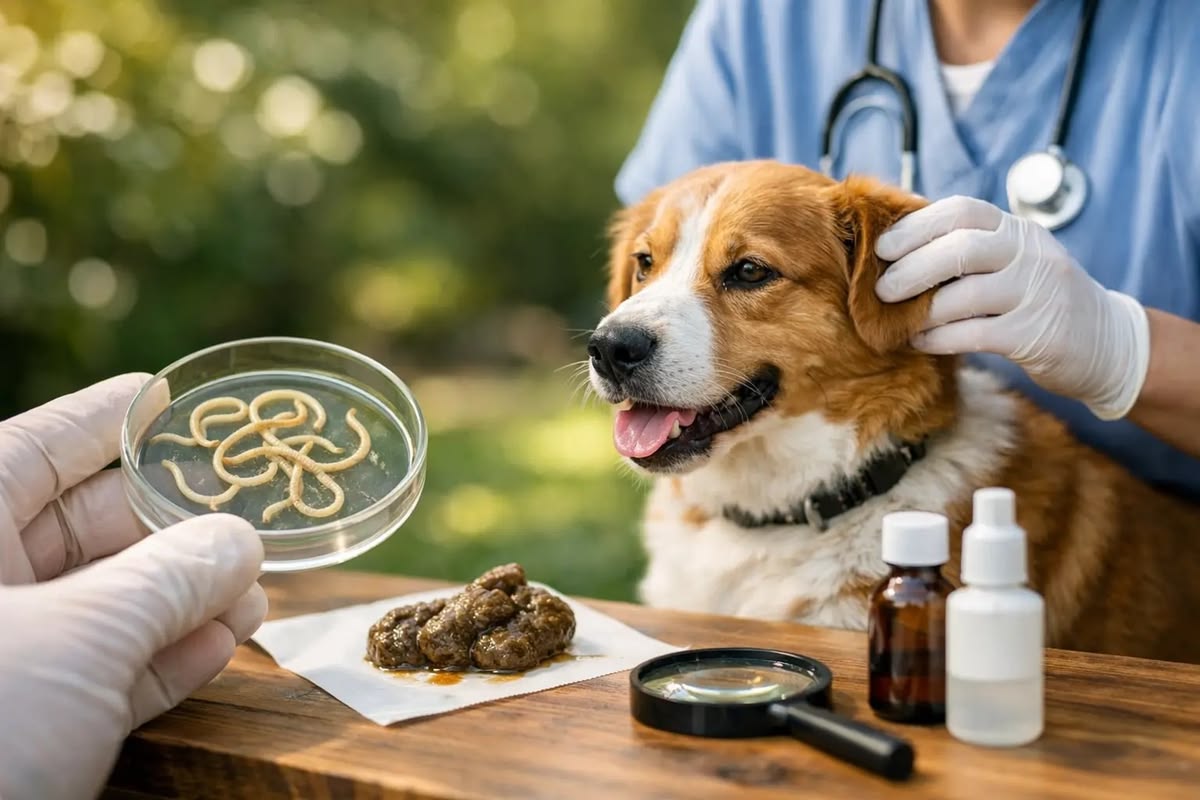
You notice the pattern before anyone else does. The noisy stomach, the stretching, the pacing after meals, the gas that keeps coming back, the days when your pet seems a little off and you cannot tell whether it is something minor or the start of something worse. That uncertainty wears on you. You do not want to overreact, but you also do not want to miss a problem that needs care. If symptoms suddenly worsen, contacting a Guelph emergency vet can help you decide what to do next.
How vets manage pets with recurrent gas or abdominal discomfort usually starts with one simple truth. Repeated digestive signs are not just about “sensitive stomachs.” Gas, bloating, belly pain, vomiting, loose stool, appetite changes, and restlessness can point to food intolerance, parasites, inflammatory bowel disease, pancreatitis, stress, swallowing too much air, or, in some cases, an emergency. A general veterinarian looks at the pattern, checks for warning signs, and builds a plan that is safer and more targeted than trial and error at home.
Recurring digestive upset in pets often has more than one cause
When a dog or cat has occasional gas, that may not mean much by itself. When it keeps happening, especially with abdominal discomfort, vets start thinking in layers. What is your pet eating. How fast do they eat. Did the symptoms begin after a diet change, table scraps, antibiotics, boarding, or stress. Is there weight loss, vomiting, constipation, or diarrhea mixed in. Recurrent symptoms often come from a combination of factors rather than one single cause.
That is why a vet visit for recurring gas and stomach pain in pets is usually more detailed than owners expect. The exam matters. A tense abdomen, dehydration, fever, dental disease, or poor body condition changes the whole picture. Stool testing may be needed even if you have not seen worms. Bloodwork can help uncover inflammation, organ issues, or signs that the problem reaches beyond simple indigestion. In some pets, X rays or ultrasound are the next step because the belly is where many different problems can look the same at first.
You may have seen your pet act normal between episodes, which makes it tempting to wait it out again. That is where cases get tricky. A dog can seem fine in the morning and then become painful by evening. A cat can hide pancreatitis so well that the main clues are eating less, sleeping more, and looking uncomfortable. Cornell’s feline specialists explain that feline pancreatitis often shows up in vague, easy to miss ways, which is one reason repeated abdominal signs deserve a closer look.
Veterinarians separate mild digestive issues from emergencies quickly
One of the biggest jobs of a general veterinarian is deciding whether your pet has a chronic digestive problem, a flare that needs treatment, or a true emergency. That distinction protects both your pet and your budget. If the issue is food related, treatment may focus on diet trials, meal changes, probiotics, and follow up. If the belly is distended, painful, or paired with repeated retching, collapse, or trouble settling, the concern changes fast.
Large, deep chested dogs need special attention here. Bloat, also called gastric dilatation and volvulus, can begin with restlessness, a swollen abdomen, and unproductive retching, then become life threatening in a short window. The University of Illinois notes that barrel chested dogs are more susceptible to bloat, which means repeated gas in some dogs should never be brushed off without context.
This is also where owners can feel stuck. You want to help at home, and sometimes home adjustments do help, but giving random supplements, rotating foods too quickly, or using over the counter stomach remedies without guidance can blur the symptoms and delay a diagnosis. A veterinarian managing pet abdominal discomfort treatment is not just trying to stop the gas. The goal is to find out why it keeps returning.
Home monitoring and veterinary care serve different purposes
There is real value in what you observe at home. The timing of symptoms, stool changes, appetite, and response to meals often gives the vet the clues needed to narrow things down. Home care becomes risky when it replaces an exam in a pet that is painful, vomiting, bloated, lethargic, or losing weight.
| Situation | Home Monitoring May Help | Veterinary Care Is the Better Next Step |
|---|---|---|
| Mild gas after eating too fast | Track meals, use a slow feeder, stop treats for a few days | If episodes keep returning despite changes |
| Loose stool with occasional gas | Record stool quality and diet history | If diarrhea lasts more than a day or repeats often |
| Reduced appetite and hiding in a cat | Note water intake and litter box habits | Prompt exam, especially with vomiting or weight loss |
| Distended abdomen, retching, pain, pacing | Do not wait at home | Emergency care right away |
Three steps you can take before the next episode gets worse
- Keep a simple symptom log. Write down what your pet ate, when signs started, stool changes, vomiting, activity level, and anything unusual like table scraps or stress. A short timeline often reveals patterns that memory misses.
- Stop changing foods on impulse. Frequent diet switches can make the gut more reactive and make the real trigger harder to identify. If your pet needs a diet trial, your general veterinarian will usually want one controlled food plan for several weeks.
- Know the red flags that should not wait. A swollen belly, repeated retching, collapse, pale gums, severe lethargy, persistent vomiting, or clear pain means your pet needs urgent care. Recurrent gas by itself may be manageable. Recurrent gas with those signs is different.
Steady answers usually come from a careful veterinary plan
Most pets with chronic gas or abdominal discomfort do get to a more stable place once the problem is approached step by step. Sometimes the answer is as simple as eating too fast or reacting to certain ingredients. Sometimes it is a deeper digestive issue that needs testing, medication, and follow up. Either way, guessing tends to prolong the cycle, while a clear plan gives you something solid to work with.
If your pet keeps having digestive flare ups, do not wait for the next bad night to see if it passes again. A general veterinarian can sort out what is mild, what is chronic, and what could turn urgent, then help you build a practical treatment plan that fits your pet’s daily life.