Is a Solar Generator Right for Your Emergency Kit?
Emergencies often come unannounced, leaving homes and businesses without power. To tackle such scenarios, preparedness is key. A crucial aspect of any emergency kit is a reliable power source that ensures your safety and comfort during unexpected outages. Solar generators are becoming popular as an essential component of emergency kits due to their sustainability and efficiency. Let’s explore whether a solar generator should power your emergency preparedness plans.
The Role of Power in Emergency Preparedness
Importance of Reliable Power Sources
Electricity powers crucial devices, from medical equipment to communication tools, in emergencies. A reliable power source can be the difference between manageable inconvenience and severe distress during a power outage. Traditional generators can provide power but come with significant drawbacks and limitations. Thus, exploring alternative, renewable, and reliable power sources is essential for comprehensive preparation and resilience in times of crisis or disruption.
When considering the best options for your emergency preparedness, it’s essential to weigh the benefits of solar generators against traditional residential generators. Solar generators offer a clean, renewable energy source, making them an environmentally friendly choice. However, they may not always provide the same power output as conventional generators, which can be crucial during extended outages. If you’re unsure which option best suits your needs, you can contact our team for assistance. They can provide expert guidance on selecting the right generator to ensure your home remains powered during emergencies, helping you make an informed decision that aligns with your energy requirements and sustainability goals.
Common Emergency Scenarios Requiring Power
Emergencies like storms, floods, or grid failures can disrupt power for hours or days. During such events, you need immediate access to power for essentials like lights, refrigeration, communication devices, and medical equipment. Having a dependable power source ensures your home remains functional and connected in these scenarios, which is vital for safety and comfort.
Limitations of Traditional Generators
Traditional generators rely heavily on fossil fuels, limiting their long-term usability in continuous emergencies. They are noisy and often unsafe for indoor use, posing risks of carbon monoxide poisoning. Furthermore, fuel can be scarce and expensive during widespread outages, rendering traditional generators less practical when you need them most. This makes looking for alternatives a reasonable move.
Advantages of Including a Solar Generator
Clean and Silent Operation
Solar generators provide a clean and silent power alternative, using sunlight to produce electricity without harmful emissions. Their noise-free operation makes them ideal for keeping the peace and safety of your home intact during emergencies. This eco-friendly choice aligns with efforts to reduce carbon footprints while ensuring you have a sustainable power source.
Independence from Fuel Supply Chains
Solar generators free you from dependency on gasoline, propane, or diesel fuel. Once you invest in a solar generator system, the sun provides an endless, renewable power supply. This independence from unstable fuel supply chains ensures reliability during widespread emergencies when fuel might be rationed or completely unavailable, giving you peace of mind and uninterrupted access to electricity.
Safe for Indoor Use
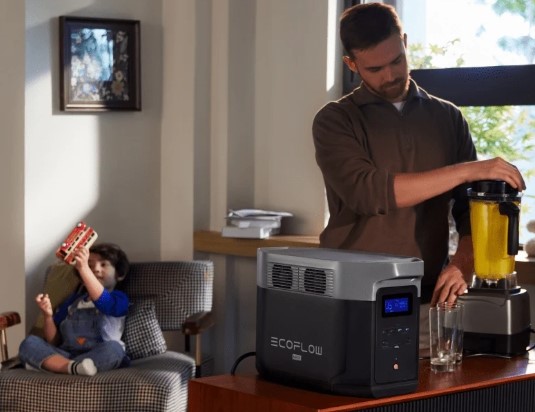
Unlike traditional generators, solar generators can safely charge and power devices indoors without releasing harmful fumes. This safety feature is crucial during emergencies when access to outdoor spaces might be limited or unsafe. Having a power source that you can use indoors increases its practicality and ensures you and your family remain safe, protected, and comfortable during extended power outages.
Selecting the Right Solar Generator for Your Needs
Assessing Power Requirements
To select an appropriate solar generator, start by assessing your power needs realistically. Calculate the wattage required to operate essential appliances and critical devices during an emergency. Knowing your household’s power consumption helps you choose a generator that can adequately support your home during outages, ensuring you select a model that meets your needs without over-investing in unnecessary capacity.
Evaluating Portability and Storage
When selecting a solar generator, consider its portability and storage capabilities. Portable models with lightweight designs and integrated handles or wheels are excellent for quick relocation during emergencies. Also, ensure you have adequate storage space and conditions to keep the generator and solar panels safe when not in use, thus prolonging their lifespan.
Understanding Charging and Maintenance
Understanding the charging and maintenance process for your solar generator is essential. Regularly charging the unit ensures it’s ready for use anytime. This involves placing solar panels in optimal sunlight and following the manufacturer’s guidelines for upkeep. Routine maintenance checks help identify issues early and keep the system running smoothly when needed.

Integrating a Solar Generator into Your Emergency Plan
Placement and Accessibility
For effective integration, plan the placement of your solar generator in a location that maximizes sunlight exposure and ensures easy accessibility during emergencies. Strategic placement is important in ensuring you can set up the system quickly when power loss occurs, allowing for efficient transition to backup power with minimal disruption and zero confusion during critical moments.
Regular Testing and Maintenance
Regular testing of your solar generator guarantees its readiness when an emergency arises. Monthly or quarterly check-ups, which include full charge cycles and testing key functionalities under realistic load, keep the system reliable. Performing these checks helps identify and rectify potential issues before they become problematic during actual emergencies, ensuring you’re never caught off guard.
Training Household Members
Ensure every household member knows how to operate the solar generator with confidence and clarity. Conduct training sessions covering setup, operation, troubleshooting, maintenance, and safety protocols in detail. When everyone understands how to effectively use the power backup system, the household is better prepared to respond calmly and efficiently in emergency scenarios, minimizing panic and maximizing safety, coordination, and overall readiness for unexpected power outages.
Conclusion
Solar generators offer a practical, efficient, and sustainable power solution, essential for modern emergency preparedness plans. They provide reliable, safe, and eco-friendly electricity when traditional options fall short or become inaccessible. As you assess your emergency planning strategy, consider how a solar generator could serve your needs, ensuring resilience and comfort during power outages. With the right choice, setup, and preparation, you can navigate emergencies with confidence, independence, and the peace of knowing you’re always powered.