Multi-Year Lease Agreements: What Landlords Should Consider First
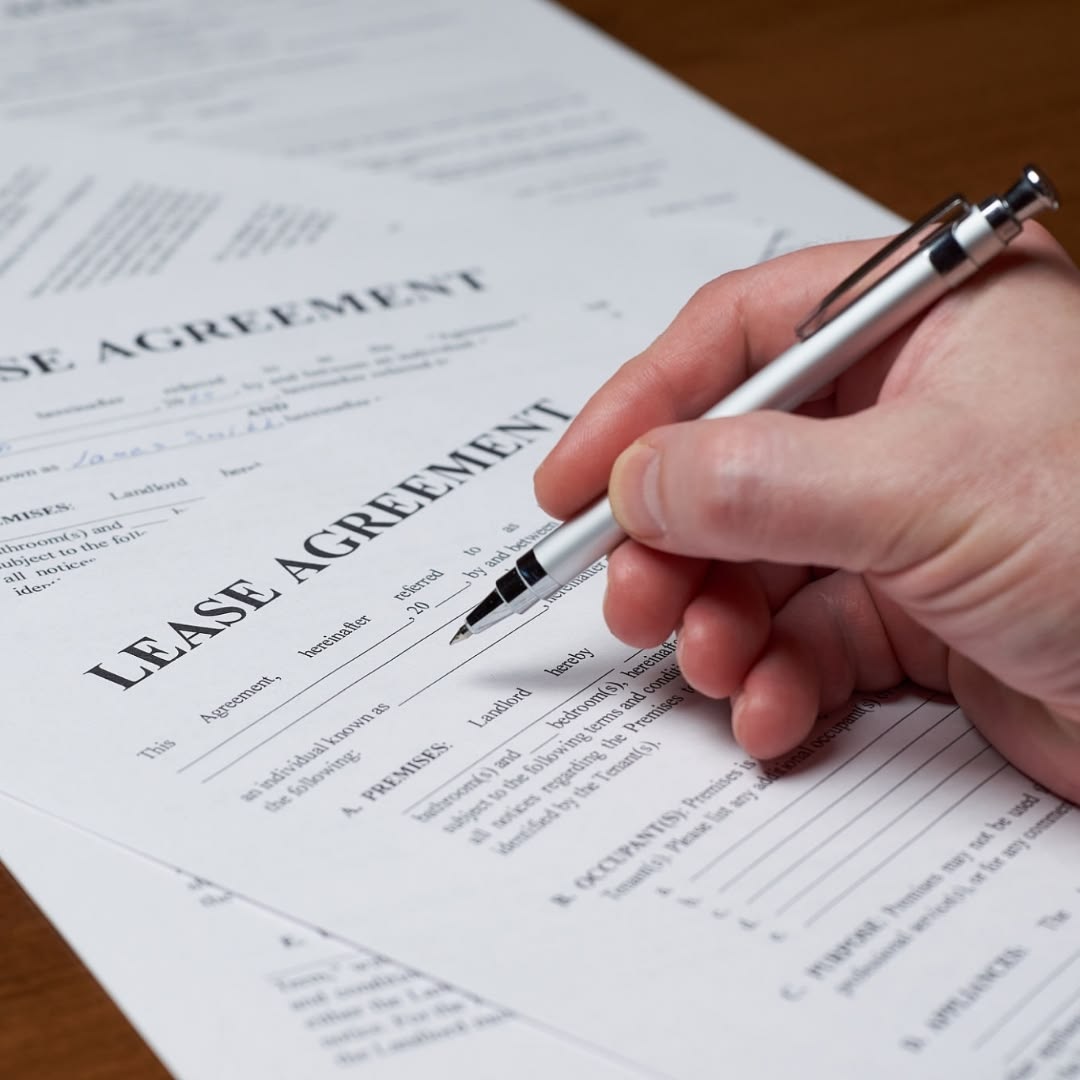
A multi-year lease can seem appealing at first glance. The promise of steady rental income without the hassle of frequent tenant turnover sounds ideal. However, locking yourself into a long term lease agreement requires more thought than simply accepting the first interested renter who asks for one.
Before you commit to anything beyond the standard twelve-month rental term, take time to evaluate whether the arrangement actually serves your interests. The wrong multiple year lease can cost you thousands in missed rent increases and leave you stuck with maintenance problems you can’t easily address.
Know Your Tenant Before Committing
The relationship you have with a tenant matters significantly when considering a multi-year lease. An existing renter who has consistently paid on time, maintained the property well, and communicated respectfully is a reasonable candidate. A brand-new applicant is not.
If you’re entertaining a long term lease agreement with someone you haven’t worked with before, your standard screening process isn’t enough. Review credit reports carefully. Check eviction and criminal histories thoroughly. Verify employment and income sources. The stakes are higher when you’re committing to several years instead of one.
Even with perfect paperwork, remember that people’s circumstances change. A tenant who looks stable today might face job loss, divorce, or financial trouble two years from now. The longer the lease term, the more opportunity for situations to shift.
Evaluate Market Conditions Carefully
Rent increases are happening in most markets. If you lock yourself into a multi year lease at current rates, you could find yourself earning below-market rent just twelve months later while neighboring landlords increase their prices.
Research your local rental market before signing anything. Look at recent rent trends for comparable properties in your area. Talk to other landlords if possible. Check online listings to see where pricing is headed. If you notice upward movement, a standard one-year lease gives you flexibility to adjust.
Some landlords try to address this by building in scheduled rent increases during a multiple year lease. While this can help, it’s difficult to predict exactly how much the market will shift. You might set a 3% annual increase only to discover that market rates jumped 8% in year two.
Consider Property Maintenance Needs
Most landlords handle larger maintenance projects and updates between tenants. That window of vacancy gives you time to replace aging appliances, refresh paint, deep clean carpets, or address deferred repairs. A multi-year lease eliminates those natural break points.
Before committing to a long term lease agreement, honestly assess your property’s condition. How old is the HVAC system? When were the appliances last replaced? Is the roof approaching the end of its lifespan? If major work seems likely within the next few years, a shorter lease term gives you more control over timing.
You can include lease language that reserves your right to make necessary renovations during the lease term, but this creates complications. Tenants may resist disruptions to their home. Coordinating access and work schedules becomes more difficult. It’s generally easier to handle significant updates when the unit is vacant.
Build in Protection Where Possible
If you decide a multiple year lease makes sense for your situation, structure the agreement carefully. Include clear terms about rent increases if you plan them. Specify maintenance responsibilities in detail. Address what happens if either party needs to terminate early.
Some landlords include break clauses that allow either party to exit the lease under specific conditions, such as job relocation or property sale. Others build in periodic review points where terms can be renegotiated. These provisions reduce risk for everyone involved.
Document everything in writing. Verbal agreements about future rent adjustments or maintenance plans won’t hold up if disputes arise later. The more detailed your long term lease agreement, the better protected you are.
Final Thoughts
The stability of a multi-year lease has real appeal, especially for landlords tired of constant turnover. However, convenience shouldn’t override careful analysis. The wrong long-term commitment can lock you into below-market rents, limit your ability to maintain the property properly, and leave you stuck with a problematic tenant for years.
Before signing any multiple year lease, evaluate your tenant thoroughly, understand your local market conditions, and assess your property’s likely maintenance needs. The short-term ease of avoiding vacancy might not be worth the long-term costs if the arrangement doesn’t truly serve your interests.