Robotic Mower Buying Guide for Homeowners
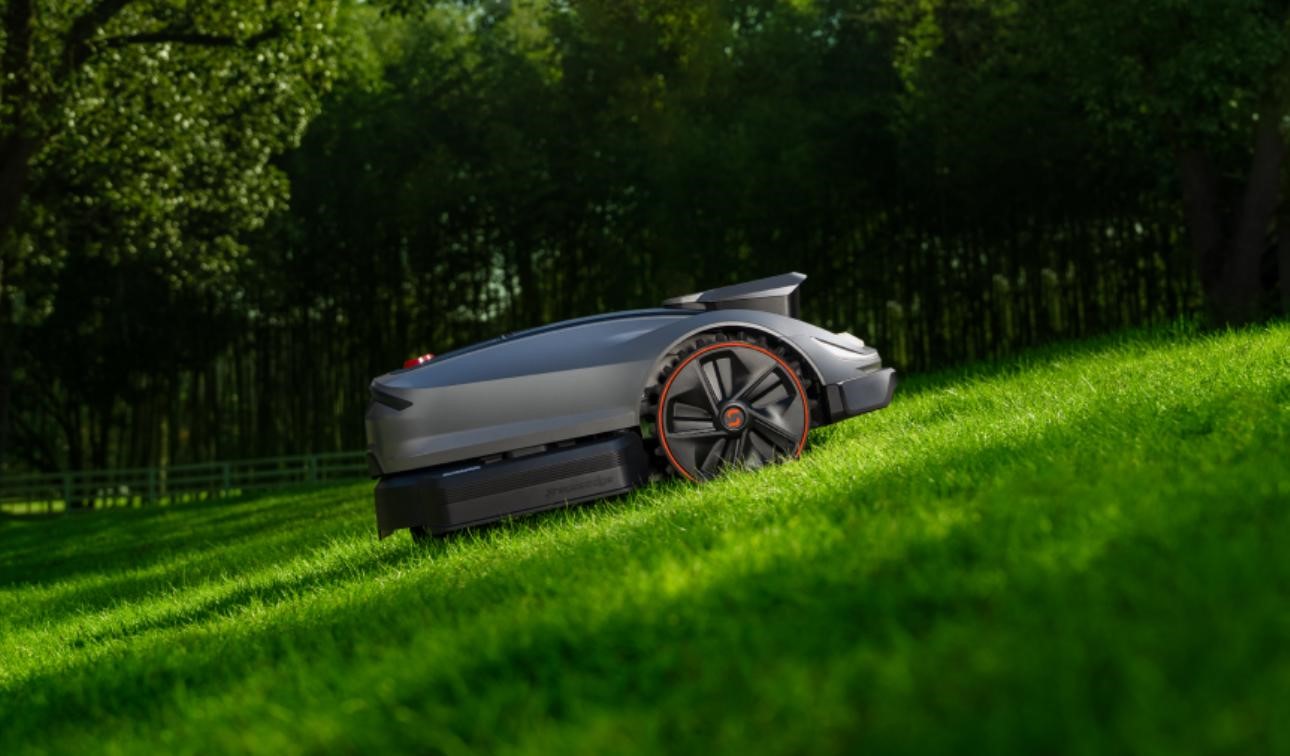
Robotic mowers take over one of the least-loved chores and keep your lawn looking neat with almost no effort. Before you buy one, you should understand how these machines work and what separates a basic model from a fully featured mower. Not every mower fits every garden. Factors such as lawn size, slope, obstacles, and connectivity can change your ideal choice. You will also find big differences in installation needs, long-term costs, and smart tools. This guide walks you through key questions, helps you compare common features, and shows which functions offer real value for most homeowners.
What should you consider before buying a robotic mower?
Lawn size, layout, and terrain requirements
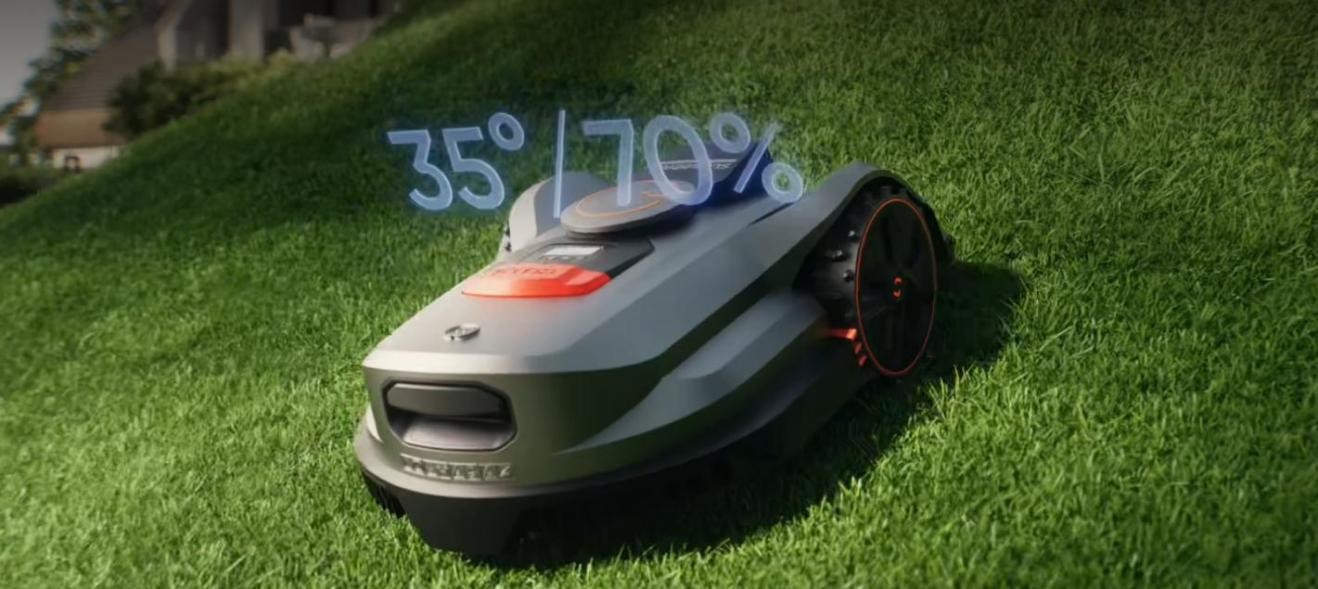
Start with your lawn size, because every robotic mower has a maximum recommended area. Check the manufacturer’s stated coverage and choose a model with some extra capacity so it does not run at full load all season. Look at your layout next. Narrow passages, separate lawn sections, and tight corners need a mower with good navigation and flexible guide-wire options. If you have trees, flower beds, or play equipment, the mower should handle frequent turns without scalping. Terrain matters too. Steeper slopes require higher grip wheels and stronger motors. Many mid-range units manage around 25–35% gradients, while premium models handle more. Wet, uneven, or bumpy ground also calls for better traction and robust chassis design.
Budget, pricing tiers, and long-term costs
Robotic mowers range from entry-level units for small lawns to advanced models with GPS and multi-zone support. Set a realistic budget by matching features to lawn needs rather than chasing every new upgrade. Lower-priced mowers usually suit compact, simple yards and have more basic navigation. Mid-range options add better terrain handling and smart control. Top-tier models bring faster mowing, complex mapping, and stronger safety tools. Look beyond the ticket price. Factor in replacement blades, potential battery changes after several seasons, and occasional service. Electricity use is modest, but constant operation adds up over years. Also consider warranty length and local support. Spending slightly more on a reliable brand often reduces repair risk and downtime.
Installation needs and boundary setup options
Most robotic mowers use a boundary wire to define the mowing area. You can peg this wire onto the grass or bury it a few centimeters below the surface. Pegging is faster and works well for testing, while burying protects the wire from pets, children, and garden tools. Some newer models add wireless or vision-based boundaries in limited conditions, but wire systems remain the most proven and stable. Think about time and effort for installation. Many homeowners can install a small system in an afternoon, yet complex gardens with several islands and narrow passages take longer. Professional installation costs more but ensures optimal wire routing and base placement. Good setup improves cut quality, reduces stuck incidents, and avoids repeated adjustments later.
What features matter most when choosing a robotic mower?
Navigation systems, mapping, and obstacle detection
Navigation decides how efficiently the mower covers your lawn. Basic models often follow random or semi-random paths guided by the boundary wire and bump sensors. This approach eventually covers the area but may need longer run times. More advanced units use guide wires, GPS, or camera-based systems to map zones and cut in a more systematic pattern. Mapping reduces overlaps and saves energy. Obstacle detection also plays a key role. Standard bump sensors stop the mower when it hits an object, then redirect it. Higher-end mowers add ultrasonic sensors or vision systems to slow down or avoid obstacles before impact. Strong navigation and detection reduce damage to garden features and help the mower escape tricky spots more reliably.
Battery life, charging efficiency, and coverage area
Battery performance impacts how quickly your robotic mower completes its rounds. Look at two figures: typical mowing time per charge and recharge speed. A mower that runs longer and charges faster spends more time cutting and less time on the dock. Match battery capacity to your lawn size and grass growth. Larger lawns or fast-growing grass need longer daily operation. Many mowers automatically return to the base when the battery drops, then resume mowing where needed. Efficient charging systems manage power use, extend battery life, and reduce overall costs. Also check the stated maximum coverage per day or per season. If your lawn size sits near the upper limit, choose a model with a higher capacity to avoid constant all-day operation.
Smart features like app control and scheduling
Smart features can make ownership easier, but the most useful tools depend on how you plan to use the mower. App control lets you start, stop, or park the mower from your phone and change settings without bending down at the unit. Scheduling options allow you to set mowing days and times, often with different programs for weekdays and weekends. Some mowers adjust schedules automatically based on grass growth or weather. You may also see GPS tracking, theft alerts, voice assistant support, and integration with smart home systems. These functions add convenience and security, especially if you travel or rent out your property. Focus on features you will actually use regularly instead of paying extra for rarely used connectivity.
Conclusion
Choosing a robotic Sunseeker elite mower becomes much easier when you match the machine to your lawn’s real needs. Start by measuring your grass area and noting slopes, narrow paths, and obstacles. Use this information to narrow down models by coverage, terrain capability, and installation style. Then weigh your budget against expected long-term costs such as blades, batteries, and maintenance. Compare navigation quality, obstacle detection, and smart controls, focusing on features that offer everyday value rather than just novelty. A well-chosen robotic mower will quietly maintain your lawn, save you many hours of work, and keep the grass at a consistent, healthy height throughout the growing season. With the right setup, you simply watch the mower work while you enjoy your garden.