Smart Tack: How High-Tech Equipment Is Upgrading Horse Riding & Racing

Horse racing is one of the oldest sports in the world, but just because the sport has been with us for thousands of years, there is a common misconception that it is outdated. On the surface, it might look like a simple sport with horses racing to the finish line with no high-tech equipment, but if you peel the layers, you’ll find high-tech equipment that defies modern horse racing.
Technology is used to make the sport safer, more predictable, and, of course, more entertaining. We have everything from smart AI-powered tools to tracking sensors that can predict a horse’s injury, and many other things. One thing is for sure: horse racing is evolving faster than ever.
Some people might roll their eyes at all the gadgets, saying that this isn’t true horse racing, but the truth is, these innovations are bringing horse racing to the modern era.
Let’s take a look at all the high-tech gear that is now used in horse racing, and how it impacts the sport.
The Rise of Smart Stables
If you visit a modern horse racing training center, you’ll notice something different. Trainers are holding tablets, horses are wearing small sensors, and data dashboards are finally replacing gut feelings. In other words, trainers rely more on technology than ever before.
Most advanced stables nowadays use smart wearable tech to monitor horses’ every move, heartbeat, and breath. These devices, like StrideSAFE and Equinity, are becoming game-changers. But what’s so special about them?
These gadgets track many different things including recovery times, fatigue, stride patterns, posture in real time. On top of that, they are usually powered by AI systems that allows them to find a pattern in piles of data. This goes beyond any human abilities.
Let’s take the StrideSAFE wearable tech as an example. This is a tiny sensor, usually hidden in the saddlecloth and analyzes stride length and rhythm. Then the system can detect even the smallest change, which might indicate that the horse might suffer from an injury.
The industry also has smart halters like Nigtwatch also help monitor horses around the clock. They can track heart rate, movement, posture, and can send alerts if a horse shows signs of distress during the night. This is a huge step forward for equine welfare, especially in large stables where it is difficult to keep an eye on horses 24/7.
Technology in Races
Innovations don’t stop at the barn. Out on the track, we can also spot traces of technology, all helping riders and trainers’ valuable data to prevent injuries and make the process safer.
Some horses wear smart adjustable boots, which can detect how much strain a horse’s legs are under with each stride.
Then we have GPS based technology, which are giving jockeys and riders a new level of precision. We are talking about devices that measure speed, stride balance, and even how efficiently a horse turns during corners.
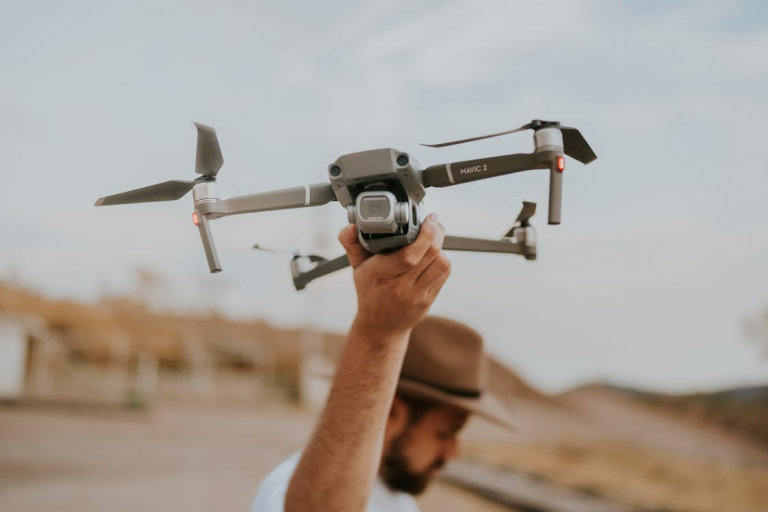
Some stables even use drones to record gallops from above, which allows trainers to analyze posture and pacing frame by frame. Who would have thought that horse racing has become so tech oriented, right?
Most of the top-level horses we see in big events like the Breeders’ Cup use these technologies just to give them that slightest advantage. I don’t know about you, but I’d much rather place my money on a horse that used tech in the training process, rather than a horse trained with gut feelings.
Either way, we will test this theory on the upcoming Breeders’ Cup by placing a bet on TwinSpires.
Better Performance and Happier Horses
So, what’s the biggest advantage that technology brings to the table? Well, horse racing is one of the most unpredictable sports in the world, especially for people involved in the process. They need to manage all kinds of stuff just to give the horse the perfect conditions to succeed in a race.
Technology makes managing this much easier. It focuses on equine health and welfare, makes the process safer, and to be honest, this is exactly what the sport needs since it had attracted so much negative attention in terms of ethics in recent years.
Tech also makes the sport fairer and more transparent. Data can verify that horses aren’t being overtrained or pushed too hard, and regulators can use it to detect abnormalities or unfair practices (we all know what this is).
Basically, it is a win-win for everyone. We as spectators get data that we can use for making more accurate bets, trainers can make more informed decisions, and horses can live longer and healthier.
The Negative Side of Technology In Horse Racing
Okay, it’s not all sunshine and rainbows. High-end monitoring systems cost a lot of money, and most small and medium-sized stables couldn’t afford them. That’s why they are mostly used in high-levle horse racing.
Another issue is data overload. Collecting various data points is easy, but interpreting it correctly is a whole different game. Humans won’t be possible to find a correlation between thousands of data points, but AI and machine learning can.
Still, as technology advances and prices drop, these innovations are becoming more accessible. What started as cutting-edge is slowly turning into everyday practice. In a few years, even smaller stables will likely be running on data-driven systems.
So, what do you think? Is horse racing better with or without technology? Let us know in the comments.