
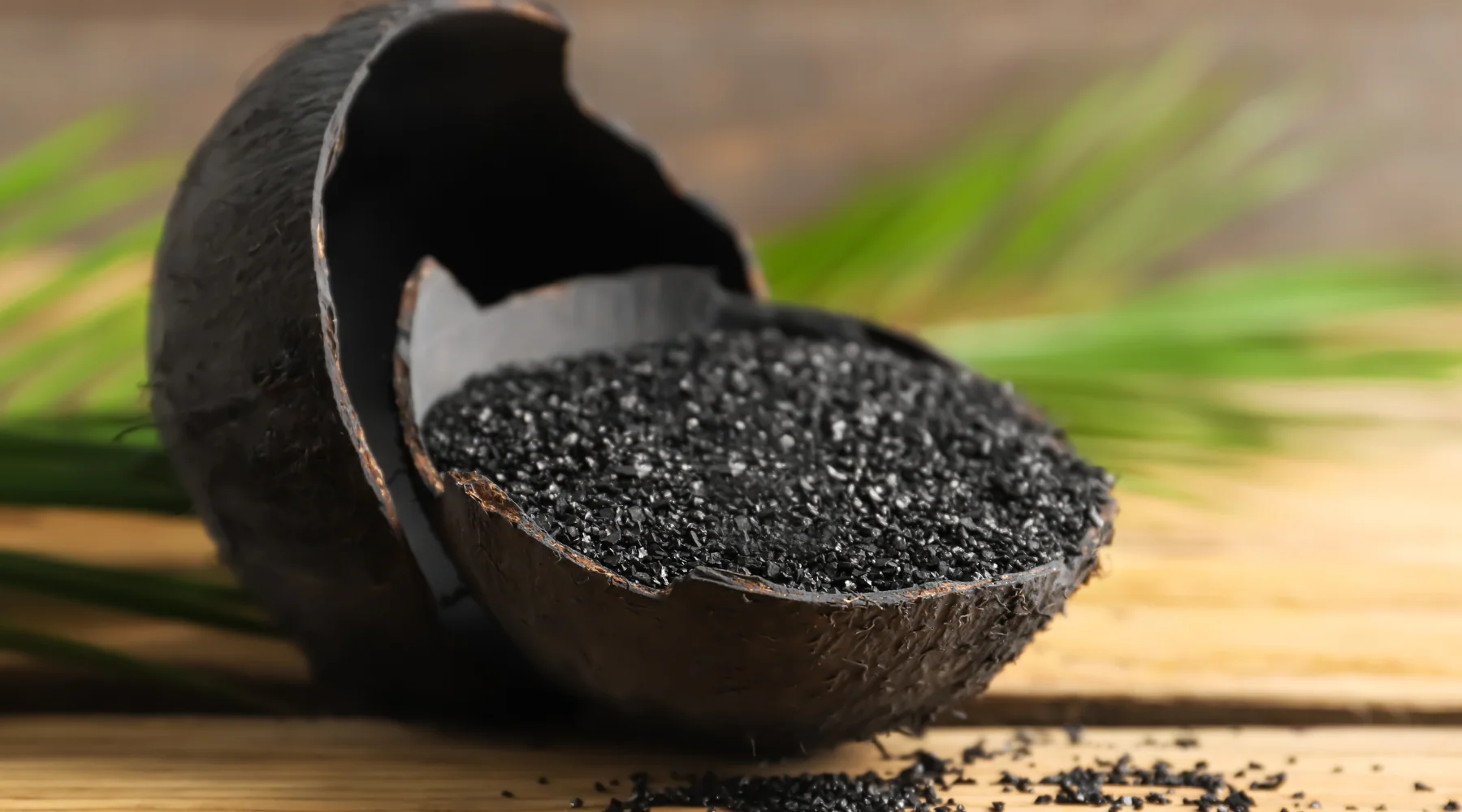
Sustainability Meets Performance: The Environmental Impact of Coconut Shell-Based Activated Carbon
In today’s world, where businesses and consumers alike are focusing on reducing their environmental footprint, industries are turning towards more sustainable materials. One such material that is gaining attention for both its performance and eco-friendly nature is coconut shell-based activated carbon. Traditionally used for water purification, air filtration, and a variety of industrial processes, this form of activated carbon offers a unique blend of sustainability and efficiency. The shift from coal-based and wood-based carbon sources to coconut shell alternatives marks a positive step in industrial sustainability.
From the sourcing of raw materials to its life cycle impact, coconut shell activated carbon is increasingly being recognized for its ability to meet stringent performance standards while reducing environmental harm. Many industries now demand customized coconut shell activated carbon solutions tailored to specific applications, making this eco-friendly option even more versatile and effective.
The Sustainable Origin of Coconut Shell-Based Activated Carbon
The primary raw material for this activated carbon is the discarded shell of the coconut, a by-product of the coconut industry that would otherwise go to waste. Coconut trees grow abundantly in tropical regions and produce several harvests a year. This naturally renewable resource makes coconut shells an environmentally responsible choice.
Unlike traditional carbon sources such as coal, coconut shells don’t require mining or extensive land clearance. This drastically reduces the ecological damage often associated with raw material extraction. The cultivation of coconuts also promotes biodiversity and helps sustain local economies in coconut-producing countries.
Additionally, using coconut shells as a carbon source aligns with circular economy principles, where waste materials from one industry serve as valuable inputs for another. This cradle-to-cradle approach makes coconut shell-based activated carbon one of the most sustainable forms of carbon filtration available today.
Energy-Efficient Production Process
The manufacturing process of coconut shell activated carbon is comparatively less harmful to the environment. The shells are carbonized at high temperatures in a controlled environment, converting them into char. This char is then subjected to activation—usually through steam activation—creating a highly porous structure ideal for adsorption.
Steam activation, widely used in coconut shell-based carbon production, is considered more eco-friendly than chemical activation methods. It avoids the use of harsh chemicals and generates fewer emissions during the production phase.
Moreover, many manufacturers are adopting energy recovery systems that capture and reuse the heat generated during carbonization. This step further reduces the carbon footprint associated with the manufacturing process, making coconut shell activated carbon an even greener choice.
Superior Adsorption Capacity with Less Environmental Burden
One of the main reasons industries choose coconut shell-based activated carbon is its superior adsorption capabilities. It offers a high surface area and microporosity, making it ideal for removing contaminants from air and water. Whether it’s removing chlorine from drinking water, capturing volatile organic compounds (VOCs) from industrial exhaust, or refining edible oils, this type of carbon delivers outstanding performance. The Teledyne Labs SFC introduction highlights how green technologies like supercritical carbon dioxide are transforming separation processes.
The key environmental advantage here is efficiency. Since coconut shell carbon has a higher density of micro-pores, less material is needed for the same level of contaminant removal compared to some other carbon sources. This not only reduces the frequency of replacement but also lowers the volume of used carbon that needs to be disposed of or reactivated.
Reducing the frequency of material use and disposal translates directly into lower environmental impact across the product’s life cycle—from manufacturing to end-of-life management.
Reduced Carbon Footprint Across the Supply Chain
Transportation and logistics also play a role in evaluating the environmental impact of materials. Coconut shell-based activated carbon scores well here too. Many coconut-growing regions are close to key global shipping routes, reducing the need for long inland transport compared to coal mining locations.
Additionally, modern shipping and packaging methods for activated carbon are designed to maximise load capacity and reduce shipment frequencies, further lowering the carbon footprint. Some suppliers even offer bulk packaging options to reduce plastic waste and other forms of secondary packaging.
By incorporating coconut shell-based carbon, companies can demonstrate a tangible reduction in Scope 3 emissions, which refer to indirect emissions occurring throughout the value chain.
End-of-Life and Reusability Benefits
Another critical aspect of sustainability is how products are handled at the end of their life. Used activated carbon can often be reactivated and reused, reducing the need for virgin material extraction. Coconut shell-based activated carbon responds well to thermal reactivation, where spent carbon is heated to high temperatures to drive off adsorbed pollutants and restore its porosity.
Reactivating rather than discarding spent carbon reduces waste and lowers demand for new raw materials. Some facilities even offer closed-loop services where they collect used carbon, reactivate it, and return it to the customer for reuse.
For industries with strict sustainability goals, this ability to extend the life of their filtration media makes coconut shell-based activated carbon a preferred choice over non-renewable alternatives.
Lower Ash Content and Minimal Contaminants
Compared to coal-based carbons, coconut shell activated carbon naturally contains lower ash levels. This is beneficial both for performance and environmental reasons. Less ash means fewer impurities in the end product and reduced residual waste following use.
The lower presence of heavy metals and other harmful contaminants also makes coconut shell-based carbon safer for use in sensitive applications like food and beverage processing, air purification in indoor environments, and drinking water treatment.
By choosing a cleaner carbon source, industries can minimise their contribution to downstream pollution and align with global environmental safety standards.
Supporting Sustainable Development Goals (SDGs)
Companies adopting coconut shell activated carbon solutions contribute to several United Nations Sustainable Development Goals (SDGs). This includes responsible consumption and production (Goal 12), clean water and sanitation (Goal 6), climate action (Goal 13), and life on land (Goal 15).
Switching to renewable raw materials, reducing industrial emissions, promoting clean water solutions, and supporting economic growth in coconut-producing communities are just a few ways this material supports global sustainability efforts.
Market Demand and Evolving Regulations
With global awareness of climate change and resource depletion growing, regulations are tightening around industrial emissions, water quality, and waste management. Companies that switch to coconut shell-based carbon are often better positioned to meet these stricter compliance standards.
Environmental certifications and green procurement policies increasingly favour suppliers who use sustainable raw materials. As such, the demand for coconut shell activated carbon continues to rise, driven not just by performance needs but also by regulatory and consumer pressure for greener solutions.
Moreover, the ability to offer customized coconut shell activated carbon blends tailored to specific applications gives industries greater flexibility in meeting both performance and environmental targets.
Cost-Effectiveness Over the Long Term
While the initial purchase price of coconut shell activated carbon might be slightly higher than other alternatives, the overall cost-effectiveness becomes clear when evaluating its lifecycle benefits. Its longer operational life, reduced replacement frequency, and lower disposal costs all contribute to savings over time.
Additionally, companies reporting on Environmental, Social, and Governance (ESG) metrics can factor in these environmental benefits when calculating the total value of their sustainability investments.
Driving Industrial Innovation with Green Materials
The use of coconut shell activated carbon is a perfect example of how industries can blend performance with sustainability. Manufacturers across sectors are innovating further by developing enhanced grades of this carbon—offering improved adsorption rates, faster kinetics, and better regeneration capabilities—all while staying committed to environmentally responsible sourcing and production.
As research and development continue, expect to see even more efficient and application-specific grades of coconut shell activated carbon entering the market, further reinforcing its role as a sustainable industrial material.
Conclusion
In the quest for sustainable industrial solutions, coconut shell-based activated carbon stands out as a material that combines high performance with a low environmental footprint. From its renewable raw material base to its energy-efficient production and excellent adsorption properties, this form of activated carbon offers tangible benefits for businesses aiming to reduce their ecological impact.
Whether you are in water treatment, air purification, food processing, or industrial manufacturing, switching to coconut shell-based carbon isn’t just a technical decision—it’s a strategic one for long-term environmental and economic sustainability. As more industries embrace this green alternative, the positive impact on both performance and the planet continues to grow.


