The Most Overlooked Areas Where Pests Nest Indoors
Pests are an unwelcome presence in any home, often causing damage and spreading disease. While many people focus on obvious areas like kitchens and basements, pests can nest in less conspicuous places that are often overlooked. These hidden areas can provide the perfect environment for pests to thrive, making it crucial to identify and address them to maintain a pest-free home. Understanding where pests are likely to nest can help in taking proactive measures to prevent infestations. This article will explore some of the most commonly overlooked areas where pests can nest indoors.
Common Indoor Nesting Areas
Pests are adept at finding hidden spots to nest, often in areas that are not immediately visible. One such area is inside wall voids. These spaces between walls provide a dark, undisturbed environment that is ideal for pests like rodents and insects. Wall voids can be accessed through small cracks or holes, making them a perfect hiding spot. Once inside, pests can multiply rapidly, leading to a significant infestation. Homeowners may not notice the problem until it becomes severe, as the pests remain hidden from view. Regular inspections and sealing of potential entry points can help prevent pests from accessing these areas.
Another overlooked area is the attic. Attics are often used for storage and are not frequently accessed, making them an attractive nesting site for pests. Rodents, bats, and insects can find their way into attics through small openings in the roof or eaves. Once inside, they can cause damage to insulation, wiring, and stored items. The presence of pests in the attic can also lead to unpleasant odors and health risks. Homeowners should regularly check their attics for signs of pest activity and ensure that any openings are sealed to prevent entry.
Hidden Spaces in Furniture
Furniture can also serve as a nesting site for pests, particularly bed bugs and cockroaches. These pests can hide in the seams, cracks, and crevices of furniture, making them difficult to detect. Bed bugs are notorious for infesting mattresses and upholstered furniture, where they can feed on human blood. Cockroaches, on the other hand, are attracted to the warmth and shelter provided by furniture. They can hide in the backs of cabinets, under sinks, and inside appliances. To prevent infestations, it is important to regularly inspect and clean furniture, paying close attention to any potential hiding spots.
Basements and Crawl Spaces
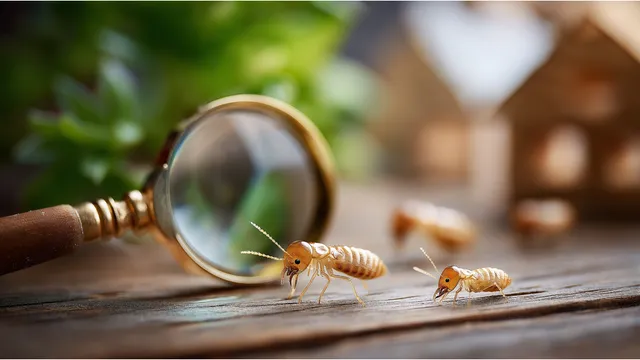
Basements and crawl spaces are often damp and dark, providing an ideal environment for pests like termites, spiders, and rodents. These areas are typically less frequented by homeowners, allowing pests to establish nests undisturbed. Termites can cause significant structural damage by feeding on wood, while rodents can chew through wires and insulation. Spiders, although less destructive, can still be a nuisance. To protect these areas from pests, homeowners should ensure proper ventilation and address any moisture issues. Regular inspections can help identify signs of pest activity early, allowing for timely intervention.
The Importance of Regular Inspections
Regular inspections are crucial in identifying and addressing pest infestations before they become severe. By routinely checking common nesting areas, homeowners can catch signs of pest activity early and take appropriate action. This proactive approach can prevent damage to property and reduce the risk of health issues associated with pests. Homeowners should also consider professional pest control services to ensure thorough inspections and effective treatment. Pest Control Omaha offers comprehensive services to help homeowners keep their properties pest-free, providing peace of mind and protection against infestations.
Conclusion
Pests can nest in a variety of overlooked areas within a home, making it essential for homeowners to be vigilant. By understanding where pests are likely to hide, homeowners can take proactive measures to prevent infestations. Regular inspections, proper maintenance, and addressing potential entry points are key strategies in keeping a home pest-free. While some areas may be more obvious than others, it is important not to neglect less visible spaces like wall voids, attics, and furniture. By staying informed and taking action, homeowners can protect their homes from the damage and health risks associated with pests.