Why Rewards Matter More During Inflation
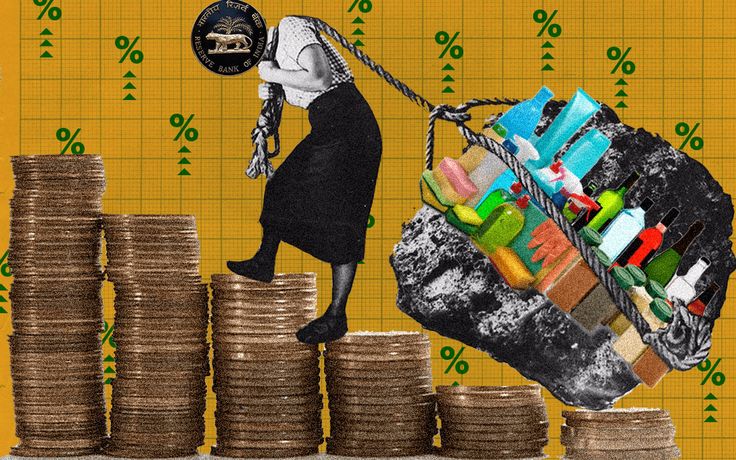
Inflation changes the mood of everyday spending. Purchases that once felt routine start to feel heavier. Groceries, home supplies, school items, and basic services all seem to demand more from the same paycheck. When that happens, people do not just become more price sensitive. They become more attentive to anything that can stretch value a little further.
That is one reason rewards become more meaningful during inflation. Whether it is loyalty benefits, card perks, or Home Depot cash back on planned home improvement purchases, rewards can help soften the pressure of rising costs. They do not solve inflation, of course. But they can make ordinary spending slightly less punishing when every dollar feels like it has less reach.
The real reason rewards matter more during inflation is not that they are glamorous. It is that they restore a small amount of purchasing power. In a high-cost environment, even modest savings become more noticeable because the baseline cost of living has moved upward.
Inflation makes small savings feel larger
When prices are stable, a small reward can feel easy to ignore. But when everyday items cost more, the same reward stands out. A few dollars back on household purchases may now cover part of another necessity. A discount on home supplies may offset part of a price increase you cannot avoid.
This does not mean people should chase every reward aggressively. It means the value of thoughtful rewards rises when budgets are tighter. The same percentage back has more emotional and practical weight because it helps answer a more urgent need.
In that sense, inflation changes not only prices but perception. It makes people notice the difference between full price spending and spending that includes some kind of return.
Rewards become part of budget defense
During inflation, rewards are often most useful when treated as a defensive tool. Instead of seeing them as a bonus for splurges, people may use them to reduce pressure in essential categories. That can include groceries, household maintenance, pet care, or recurring supplies.
This is a healthier mindset because it keeps rewards connected to real needs. A rising cost environment tends to punish waste quickly, so rewards work best when they support spending that was already necessary. They are most valuable when they help preserve room elsewhere in the budget.
Helpful consumer resources like the Federal Reserve’s consumer information and the CFPB budgeting guidance both support the broader idea that clear planning matters more when households face tighter conditions.
Inflation raises the cost of inefficiency
Another reason rewards matter more during inflation is that inefficient spending becomes more expensive. A forgotten discount, a missed rebate opportunity, or a poorly timed purchase may not have felt huge in a lower cost environment. During inflation, those small misses add up faster.
That does not mean consumers need to obsess over every transaction. But it does mean habits that recover value become more useful. Price comparison, timing purchases, using planned rewards, and avoiding unnecessary fees all play a bigger role when costs are elevated.
In simple terms, inflation shrinks the margin for sloppy spending. Rewards can help widen that margin a little, provided they are used carefully.
Tangible rewards matter more than vague perks
When prices are rising, consumers often become more practical about the kinds of rewards they value. Flashy status benefits or abstract point systems may feel less appealing than direct savings, flexible cash back, or discounts on essentials. In an inflationary period, usefulness tends to win.
That is because people want rewards they can feel in the budget. They want something that lowers current strain or supports a meaningful goal. A reward becomes more valuable when it has obvious real world application, especially in categories where there is little room to cut back.
This shift can actually improve financial habits. It encourages people to focus on rewards that provide measurable support instead of just novelty.
Rewards can improve confidence during uncertain periods
There is also a psychological side to this. Inflation often creates frustration because many households feel like they are doing the same things and getting less for it. Rewards can provide a small sense of agency in that environment. They remind people that not every transaction has to be pure loss.
That emotional effect matters. Financial stress is not only about the numbers. It is also about whether people feel they have any tools left to respond. Rewards, when used responsibly, can be one of those tools. They do not erase the problem, but they can make consumers feel a bit less passive.
Even a small amount of returned value can make routine purchases feel more manageable.
The wrong reward mindset still backfires
Of course, inflation can also make people more vulnerable to reward based overspending. When budgets are tight, the promise of getting something back can feel especially attractive. That is why discipline still matters. Rewards should offset necessary spending, not justify extra spending.
The same rule always applies. If the reward causes you to buy more than planned, stretch your budget, or carry a balance, it is probably working against you. During inflation, those mistakes can hurt even more because there is less financial cushion to absorb them.
So the value of rewards during inflation depends heavily on how they are used. Smart use creates relief. Chasing creates new pressure.
Use rewards to preserve flexibility
One of the best outcomes of using rewards well during inflation is preserved flexibility. A little value recovered on one category may allow breathing room in another. Over time, that can help households stay steadier without having to cut every area aggressively.
Flexibility matters because inflation is tiring. It forces repeated adjustments. Rewards can ease some of that constant pressure by helping essential spending do a bit more work. That is especially true when reward dollars are redirected intentionally instead of disappearing into unplanned extras.
Why they matter more now
Rewards matter more during inflation because the economic environment makes every form of practical value more important. When prices rise, small returns stop feeling trivial. They become part of how people adapt. Not as a cure all, but as a useful tool in a tighter system.
That is the key point. Rewards are not more important because they are exciting. They are more important because inflation makes efficiency matter more. When households are trying to protect purchasing power, reduce waste, and keep the budget workable, even modest returns can play a meaningful role.
Used wisely, rewards help people hold onto a little more of what rising prices are trying to take away.