5 Questions To Ask About Keeping Teeth Straight After Treatment
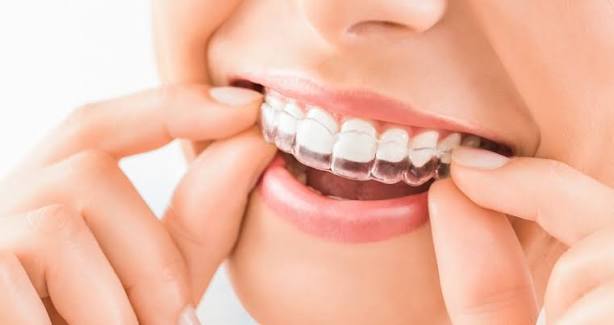
You finally got through braces or aligners, and it should feel done. Instead, a new worry shows up. What keeps your teeth from drifting back? That concern is real, especially when you spent time, money, and patience getting your smile where you wanted it. Teeth can shift after treatment, and the part that protects your results is often the part people know the least about. Hendersonville TN tax and accounting specialists
The good news is that staying on track usually comes down to a few clear questions. If you know what kind of retainer you have, how often you need to wear it, what signs of movement to watch for, and when to call your orthodontic provider, you have a much better shot at keeping your results. Retainer care after braces is not glamorous, but it is the part that holds everything together.
Teeth can shift after orthodontic treatment when the retention plan is unclear
Your teeth do not become fixed in place the day treatment ends. The bone and tissues around them need time to stabilize, and that takes longer than many people expect. According to MedlinePlus information on orthodontia, retainers are commonly used after braces to keep teeth in position. That single step often makes the difference between lasting results and slow relapse.
The first question to ask is simple. What is my exact retention plan? If the answer is vague, that is a problem. Some people need a removable retainer every night. Others have a bonded retainer behind the teeth and still need a removable one for added support. If you leave the office thinking, “I guess I just wear this sometimes,” you are set up for confusion, and confusion leads to skipped wear.
The second question is about timing. How many hours a day do I need to wear this now, and when does that schedule change? A lot of people assume retainers become optional after a few months. That assumption is expensive. A small shift can make the retainer feel tight, then painful, then impossible to fit. At that point, you may be looking at more treatment instead of simple maintenance.
Daily habits shape long term teeth alignment maintenance
The third question to ask is what daily habits put your results at risk. Grinding your teeth, chewing on pens, nail biting, skipping retainer cleaning, and leaving a retainer in a napkin at lunch all create problems. Bonded retainers can loosen without you noticing right away. Removable retainers can warp from heat or crack from pressure. The issue is rarely one dramatic mistake. It is usually a string of ordinary moments that seem harmless until your bite starts to feel off.
That is why keeping teeth straight after treatment depends on routine more than willpower. You do not need a perfect life. You need a system. A case that stays in your bag. A spot by the sink where the retainer goes every night. A reminder on your phone for follow up visits. Harvard Health explains in this piece on preventing shifting teeth with retainers that teeth may continue to move over time, which is why long term retainer use matters for many adults.
The fourth question is what early warning signs mean something is changing. Tightness when you insert the retainer is one sign. A bonded wire that feels bent or rough is another. You may notice crowding at the lower front teeth first, since those teeth often show movement quickly. You may also feel a change when flossing, where spaces seem different or contact points feel more crowded than before.
A clear comparison helps you protect straight teeth after braces
Not every retention setup works the same way, and each has tradeoffs. This is where a plain comparison helps more than broad advice.
| Retention Option | What It Does Well | Common Problems | Best Question to Ask |
|---|---|---|---|
| Removable retainer | Easy to clean, easy to replace, covers full arch | Can be lost, forgotten, warped, or worn inconsistently | How many nights per week do I need this long term? |
| Bonded retainer | Stays in place, helpful for lower front teeth | Can loosen, break, trap plaque, or be hard to floss around | How will I know if it has failed on one tooth? |
| Bonded plus removable retainer | Added protection, useful for higher relapse risk | Requires more upkeep and follow through | Why do I need both, and for how long? |
The fifth question is about follow up. When should I come back, even if nothing feels wrong? That matters because movement can start before you spot it. A quick check can catch a cracked retainer, a loose bonded wire, or a bite change early. Waiting until the retainer no longer fits is usually waiting too long.
Three steps make orthodontic retention easier to manage
- Get your instructions in writing. Ask for the wear schedule, cleaning method, replacement guidance, and follow up timeline in plain language. If your provider uses a portal, save screenshots. Memory fades fast once you get home.
- Test your routine against real life. If you travel, work late, or have kids who interrupt everything, build around that. Keep a retainer case with you. Store a backup cleaning kit where you will use it. The best plan is the one you can repeat on tired days.
- Act on small changes right away. If your retainer feels tighter than usual, if a bonded wire feels loose, or if one tooth looks different in photos, call your orthodontic office. Early fixes are usually simpler and cheaper than correcting visible relapse.
Strong questions lead to better long term smile retention
If you feel unsure about what happens after treatment, you are not overthinking it. This stage is where many people lose ground because no one explained that retention is ongoing. Post treatment teeth alignment depends on a plan you understand and habits you can actually keep. Ask clear questions, pay attention to fit and comfort, and treat your retainer like part of the treatment, not an extra. That is how you protect the result you worked for.