Best Travel Insurance in Thailand for Tourists, Digital Nomads, and Expats
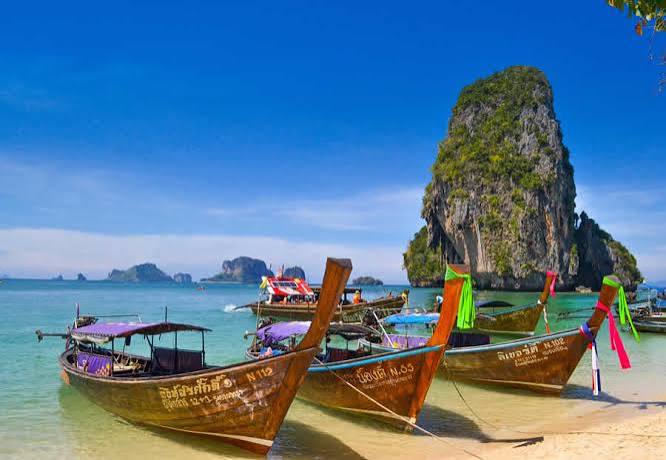
Short answer: buy travel insurance before you land in Thailand, even though it isn’t legally required for most short-stay tourists in 2026. Thai hospitals treat foreigners well, but private facilities bill upfront, and a few nights in a Bangkok ICU can easily run past twenty thousand dollars. Visa holders on the Destination Thailand Visa (DTV) or the retirement route (Non-O-A) actually need proof of health coverage just to get their visa approved. Tourists, digital nomads, and expats all need different levels of cover, and getting that wrong is one of the more expensive mistakes a traveler can make.
Thailand does not mandate travel insurance for ordinary tourist visas in 2026, but it’s still worth carrying one. A solid travel insurance thailand policy covers emergency treatment, hospital stays, and medical evacuation, protecting your home health plan almost never extends overseas. Long-stay visa holders need it by law. Everyone else needs it by common sense.
Does Thailand Require Travel Insurance in 2026?
Rules have shifted a few times over the years. During the pandemic, Thailand required proof of coverage from every entrant. That mandate was dropped once borders fully reopened, and as things stand in 2026, ordinary visa-exempt tourists and standard tourist visa holders do not need to show insurance at immigration.
Long-stay routes are a different story. The DTV, aimed at remote workers and digital nomads, requires a policy that meets a set minimum of medical coverage. The Non-O-A retirement visa carries a similar requirement, usually tied to a minimum sum insured for inpatient and outpatient care. Thai authorities have floated proposals to widen mandatory coverage to all visitors, so checking official guidance close to your travel dates is a smarter move than assuming last year’s rules still apply.
Who Needs What: Tourists vs Digital Nomads vs Expats
1. Tourists on a Short Thailand Holiday
Two weeks in Phuket or Chiang Mai calls for straightforward Thailand holiday travel insurance covering emergency medical treatment, trip cancellation, lost luggage, and repatriation if things go seriously wrong. Motorbike accidents are the most common claim among holidaymakers, so check that scooter and moped use is actually included, since plenty of budget policies exclude it by default.
2. Digital Nomads and Remote Workers
Remote workers staying months at a time need broader cover than a two-week holidaymaker. Laptop and equipment protection, extended outpatient care, and coverage that stays valid across multiple visa runs all matter here. Nomad-friendly policies vary wildly in what counts as a covered destination or profession, so comparing providers side by side through a site like Expat Compares makes the search far less confusing than reading a dozen policy wordings from scratch.
3. Expats and Long-Term Residents
Expats settling in for years need something closer to international private medical insurance than a short trip policy. That means ongoing outpatient care, maternity cover if relevant, dental and optical add-ons, and no blanket exclusions for pre-existing conditions after a waiting period. This is exactly where Thailand travel insurance for foreigners starts overlapping with full private health insurance, and the two get mixed up constantly.
What the Best Travel Insurance for Thailand Actually Covers
Finding the best travel insurance for Thailand isn’t about chasing the cheapest premium. It’s about what happens when something actually goes wrong. Look for these core elements before buying anything:
- Emergency medical treatment with a high coverage limit, ideally $100,000 or more
- Medical evacuation and repatriation, since serious cases sometimes need transfer to Bangkok or home
- Direct billing arrangements with major Thai hospital networks, so you’re not paying upfront
- Trip cancellation, delay, and baggage cover for shorter holiday stays
- Adventure sports and scooter riding cover, added explicitly rather than assumed
Coverage Needs at a Glance
| Traveler Type | Typical Stay | Priority Coverage | Visa-Linked Requirement |
| Tourist | Up to 30-60 days | Emergency medical, trip cancellation, evacuation | Not required |
| Digital Nomad (DTV) | 6 months to 5 years | Extended medical, gear cover, multi-entry validity | Required for visa |
| Expat (Non-O-A / Non-O) | 1+ years | Ongoing outpatient care, chronic conditions, dental | Required for Non-O-A |
Common Mistakes Travelers Make With Thailand Coverage
Skipping cover because a policy ‘probably’ includes something is the biggest one. Scooter accidents, adventure activities, and pre-existing conditions get excluded far more often than people expect, so read the exclusions page before the marketing page. Buying a policy the night before a flight is another common slip, since some providers add a short waiting period before coverage actually kicks in.
How to Choose the Right Policy Without Overthinking It
Start with how long you’re staying and what visa you’re on, since that alone rules out most unsuitable policies. Match the coverage limits to Thailand’s private hospital costs rather than your home country’s costs, because they aren’t close. Confirm the insurer runs a claims process that actually works from inside Thailand, not just a call center that closes at odd hours back home. Comparing a handful of providers against these points takes about twenty minutes and can save thousands later.
Frequently Asked Questions
1. Do I need travel insurance to enter Thailand as a tourist?
No. Ordinary tourist visas and visa-exempt entries do not require proof of insurance in 2026, though immigration rules can change with little notice.
2. Is travel insurance mandatory for the Destination Thailand Visa (DTV)?
Yes. DTV applicants must show a policy meeting the visa’s minimum medical coverage before approval is granted.
3. Does my home country’s health insurance cover me in Thailand?
Rarely. Most domestic health plans, including Medicare, don’t pay Thai hospitals directly, so travelers are billed out of pocket regardless of their home coverage.
4. What’s the difference between travel insurance and expat health insurance?
Travel insurance covers short trips and emergencies. Expat health insurance covers ongoing, long-term care, including routine checkups and chronic conditions.
5. Are motorbike accidents covered by standard Thailand travel insurance?
Only if the policy explicitly includes it. Many budget plans exclude scooter and motorbike use unless you hold a valid local driving license.
6. How much medical coverage is enough for a Thailand trip?
Most advisors recommend a minimum of $100,000 in emergency medical coverage, with higher limits for older travelers or remote island destinations.
Final Word
Thailand remains one of the easiest places in the world to fall in love with, and one of the pricier places to get sick without cover. Rules around mandatory insurance keep shifting, but the underlying math doesn’t: a decent policy costs far less than a single hospital admission. Comparing plans properly, rather than grabbing whatever pops up first in a search, is what separates travelers who feel genuinely covered from those who find out the hard way. Expat Compares has built a reputation among tourists, nomads, and long-term residents for laying out real policies side by side, without the sales pitch. Worth a look before you book that flight.