Can You Combine Intraday Trading With Long-Term SIP Investing?
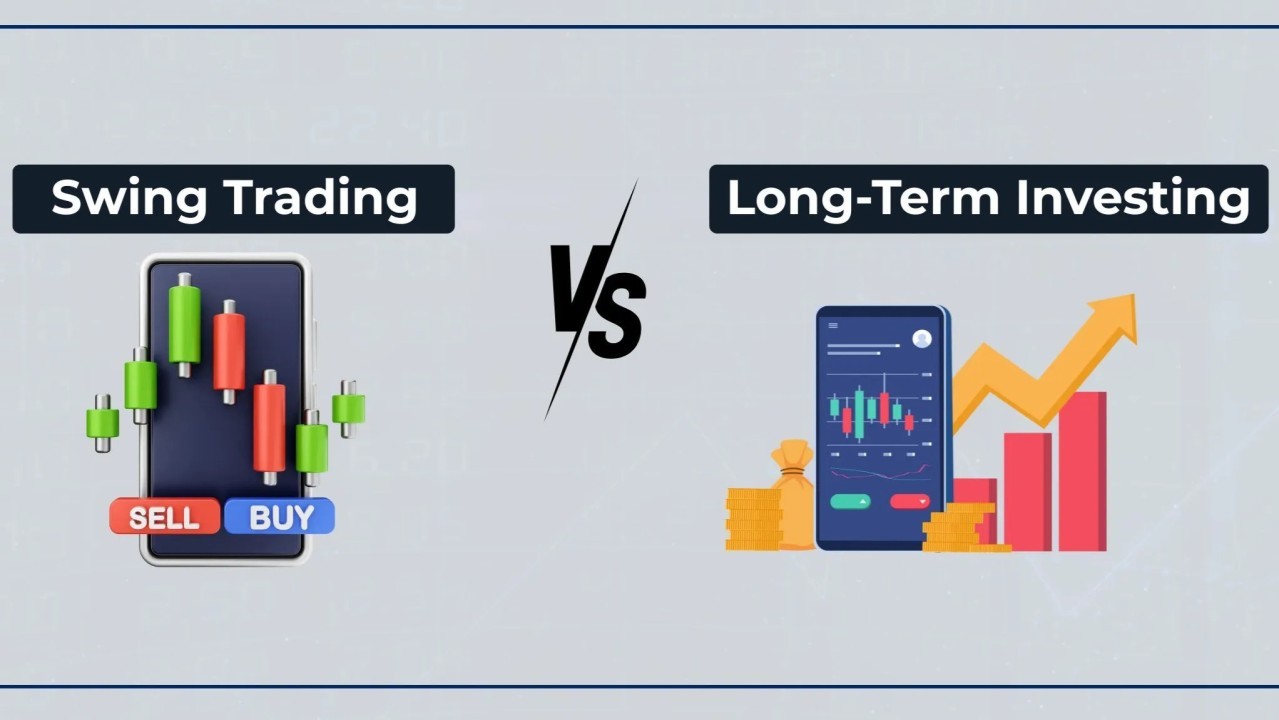
Intraday trading and SIP investing are two different ways to engage in the financial markets. Intraday trading involves trading based on the price movement occurring in a single trading day, whereas SIP investing is based on regular investments over a longer time frame. While there are different goals, these strategies can be used concurrently if planned appropriately. The important thing is to know the action and have different money dedicated to each strategy. This can be helpful if you want to take advantage of trading opportunities on short time frames but don’t want them to get in the way of investments for long-term goals.
Understanding intraday trading and SIP investing
Intraday trading describes the practice of trading stocks within the same day. Traders will try to profit from short-term price fluctuations through the trading app. They might rely on technical analysis, price charts, trading volume, market news, and other market indicators. SIP investing follows a longer-term approach. Through a Systematic Investment Plan, a fixed amount is invested at regular intervals, usually in mutual funds.
How can both strategies work together?
An investor can allocate a portion of their available funds towards long-term SIP investments while keeping a separate amount for intraday trading. This allows each strategy to serve a different purpose.
SIPs can be aligned with long-term objectives such as retirement planning, children’s education, or building a financial corpus. Intraday trading can remain a separate activity for individuals who understand short-term market risks and have the time and knowledge required to trade.
The two strategies should not be viewed as ways to balance each other’s performance. A trading loss should not lead you to withdraw your long-term investments. Similarly, long-term investments should not be sold simply to increase trading capital.
Keep trading and investment money separate
When taking part in the stock market, both strategies are essential to separate your funds. Identify the allocation of funds for long-term investments and how much (if any) you are comfortable investing in intraday trading.
The amount of SIPs that you wish to allocate should be based on your financial goals, income, expenses, investment tenure and risk appetite. Capital for trading should be from funds the trader can afford to lose should the market swing against them.
The consistency is one of the key elements of SIP investing. It is better for investors to have a structured approach rather than trying to anticipate the near-term market movements, by contributing regularly.
Use different decision-making approaches
Intraday trading requires short-term decisions. Before entering a trade, you may determine an entry price, exit level, position size, and maximum acceptable loss.
SIP investing requires greater patience. Regular contributions are generally made over an extended period, and short-term price fluctuations may not change the underlying investment objective.
Applying short-term trading decisions to long-term investments can result in unnecessary buying and selling. Similarly, holding an intraday position because you believe the stock will perform well over several years can move you away from your original trading plan.
Manage risks in intraday trading
Intraday trading can involve substantial market risk because prices can change quickly. Company announcements, economic developments, market sentiment, and broader market movements can all influence prices during a trading session.
Set clear risk limits before placing trades. A stop-loss order may be used as part of a broader risk-management strategy. Avoid increasing your position size simply to recover losses from an earlier trade.
Trading costs should also be considered. Brokerage, Securities Transaction Tax, exchange-related charges, GST, stamp duty, and other applicable costs can affect the overall outcome of your trades.
Maintain consistency with SIP investments
Consistency is an important part of SIP investing. Regular contributions can help investors maintain a structured approach instead of attempting to predict short-term market movements.
Market declines may sometimes create uncertainty, but stopping a SIP solely because of temporary volatility can affect your long-term investment plan. Instead, review your investments periodically according to your financial goals and circumstances.
If your income, expenses, financial objectives, or risk tolerance change, you can reassess the amount you invest or the funds selected for your SIP.
Conclusion
If you practice intraday trading and SIP investing in a different manner and if you follow different goals, time frames, and risk levels with each, they can go hand in hand. SIP investments can be used to build a long-term financial plan, while intraday trading would be a short-term market participation with high volatility. Having separate funds and sticking to the set risk limits can help to avoid the impact of one activity on the other. Platforms like 5paisa can deliver digital trading and investment services. Once you have determined your short- and long-term investment objectives, personal risk tolerance and capacity for short-term market volatility, consider using both methods simultaneously.