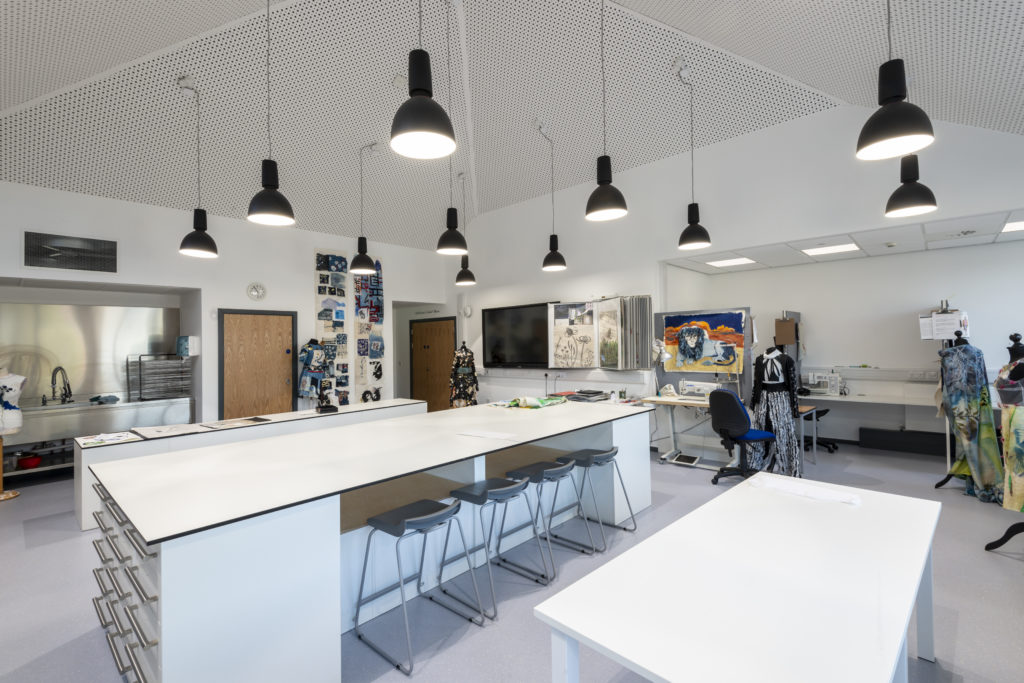
Creating the Perfect Learning Environment with Innovative Classroom Furniture
Creating an effective learning environment is essential for the academic success and holistic development of students. One of the critical aspects influencing this environment is the selection of appropriate classroom furniture. Modern educators and institutions are recognising the importance of classroom furniture that promotes comfort, engagement, and adaptability. By investing in innovative furniture solutions, schools can significantly enhance the educational experience.
The Importance of Classroom Furniture
Classroom furniture does more than simply fill a room; it shapes the way students interact with their surroundings and each other. Ergonomically designed chairs and desks reduce physical discomfort, allowing pupils to concentrate better on their work. Furthermore, well-thought-out furniture contributes to classroom organisation, enabling teachers to manage their space efficiently and foster an environment conducive to collaboration and focus.
Ergonomic Considerations
Ergonomics is a fundamental factor when selecting classroom furniture. Chairs and desks must be adjustable or available in various sizes to accommodate a diverse student body. This adaptability helps minimise posture-related issues and promotes better spinal health. Schools prioritising ergonomic furniture demonstrate a commitment to student wellbeing, which can positively affect attendance and overall enthusiasm for learning.
Furniture That Supports Different Learning Styles
Innovative classroom furniture includes pieces designed for multiple learning modalities. While traditional rows may suit individual work, other configurations support group activities and interactive learning. Furniture that can be easily reconfigured enables teachers to adapt their classrooms for lectures, group discussions, or project-based learning. This flexibility aligns with contemporary teaching philosophies centred on student engagement and active participation.
Creating a Collaborative Space
Collaboration is a vital skill for students to develop, and the right furniture facilitates this process. Round tables or modular seating arrangements encourage communication and teamwork among students. These designs break down barriers that conventional desks can create, fostering a sense of community and shared responsibility within the classroom.
Durability and Maintenance
Furniture in educational settings must withstand daily wear and tear. Durable materials such as high-quality timber, metal, and composite plastics ensure longevity and maintain aesthetic appeal over time. Additionally, easy-to-clean surfaces and simple maintenance requirements reduce the burden on school staff, making the upkeep of the classroom environment more manageable.
Incorporating Technology
Modern classrooms increasingly integrate technology as a core component of learning. Innovative classroom furniture should accommodate devices such as laptops, tablets, and interactive whiteboards. Features like built-in cable management or desks designed to support technology enhance the functionality of the classroom, allowing students and teachers to utilize digital tools effectively.
Colours and Aesthetics
The visual aspect of classroom furniture also impacts the learning environment. Thoughtfully chosen colours can stimulate creativity and concentration. Bright, vibrant colours energise the space, while neutral tones can create a calm atmosphere. By selecting furniture that balances these elements, schools can create classrooms that are both inviting and conducive to learning.
Space Optimisation
Efficient use of available space is crucial in educational institutions, especially in urban areas where classrooms may be smaller. Innovative designs include stackable chairs, foldable desks, and multi-purpose furniture that can be stored when not in use. This optimises the classroom layout, providing more room for activities and movement.
Health and Safety Compliance
Classroom furniture must comply with health and safety regulations to protect students and staff. This includes ensuring stability, avoiding sharp edges, and using non-toxic materials. Schools must select furniture that meets these standards to create a secure learning environment and avoid potential hazards.
Supporting Special Needs Students
Inclusivity is a critical consideration in modern education. Furniture designed to accommodate the needs of students with disabilities supports equity in the classroom. Adjustable desks, wheelchair-accessible tables, and specialised seating options enable all students to participate fully in lessons.
The Role of Teachers and Students in Furniture Selection
Engaging both educators and students in the selection process can lead to better outcomes. Teachers offer insight into practical classroom needs, while students can provide feedback on comfort and usability. This collaborative approach ensures that chosen furniture aligns with the requirements of those who use it daily.
Investment and Cost Efficiency
While innovative classroom furniture may require initial investment, its benefits often justify the expense. Durable, versatile pieces reduce the need for frequent replacements and support a range of teaching methods, offering long-term value for schools. Budget-friendly options are also available that do not compromise on quality or functionality.
Environmental Considerations
Many schools prioritise sustainability in their purchasing decisions. Furniture made from recycled or renewable materials aligns with environmental goals and serves as an educational example for students. Selecting eco-friendly products contributes to broader institutional commitments to reducing environmental impact.
Conclusion
In conclusion, selecting innovative classroom furniture is a strategic decision that profoundly influences the learning environment. Schools that prioritise ergonomic, adaptable, and durable furniture create spaces that support diverse learning styles and student wellbeing. By considering factors such as collaboration, technology integration, and inclusivity, educational institutions can foster classrooms that inspire and engage students effectively. The thoughtful investment in classroom furniture not only enhances academic performance but also promotes a positive and supportive atmosphere for all learners.