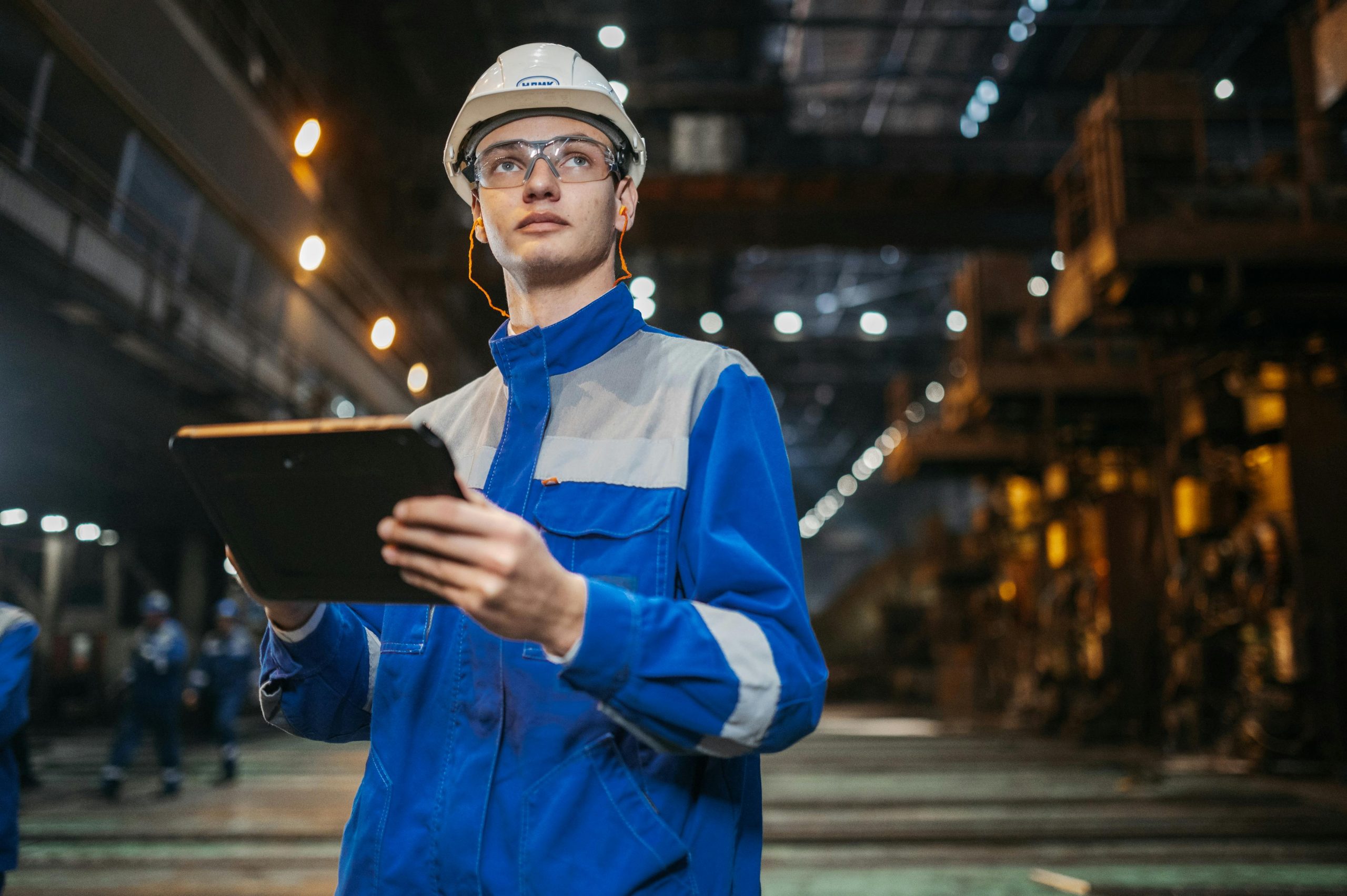
Digital Transformation Isn’t Just Software, It’s Changing Physical Work Too
Digital transformation is usually discussed in terms of software, such as cloud systems, AI tools, and dashboards that promise visibility into everything. That’s only part of the picture. Construction sites, warehouses, and maintenance operations, these are all the places that don’t first appear to be “digital”, and now they are where the most obvious change is taking place.
Not only has the equipment evolved, but the way physical labour is organised has also. Previously entirely mechanical equipment, it now has built-in sensors, diagnostics, and connections. A machine doesn’t just operate; it reports. It flags inefficiencies, predicts faults, and sometimes limits what can be done without the right inputs. That changes the role of the operator in a very practical way.
Work Environments Are Quietly Becoming Systems
A job site today behaves less like a collection of individual tasks and more like a connected system. Machines feed data into platforms. Platforms highlight patterns. Decisions follow faster than they used to. Although this change is less abstract on the ground, the World Economic Forum has framed it as part of a larger industrial transformation. It manifests itself in modest, useful ways, such as systems that automatically track consumption, procedures that adapt to situations in real time, and equipment that won’t start until checks are finished.
This isn’t limited to large corporations. Mid-sized businesses are adopting the same tools because the cost of not doing so is starting to show more downtime, more inefficiency, and more avoidable risk.
Safety Is No Longer Reactive
Safety used to rely heavily on supervision and routine checks. That approach still exists, but it’s no longer enough on its own. Now, risk is tracked continuously. Sensors monitor conditions that wouldn’t have been visible before. Wearables can flag fatigue. Systems can highlight patterns that suggest something is about to go wrong rather than waiting for it to happen.
Guidance from bodies like the Occupational Safety and Health Administration reflects this shift; technology isn’t replacing safety practices, it’s tightening them. But there’s a trade-off. As systems become more advanced, they also become less forgiving. Misuse isn’t just inefficient; it can be dangerous faster than before.
Skills Are Shifting, Not Disappearing
This is sometimes framed as individuals being replaced by automation. That is not quite true. In reality, what competence looks like is changing. The capacity to move is still important. Even now, experience counts. But they are no longer sufficient by themselves.
In order to operate current technology, one must often comprehend interfaces, react to system input, and adhere to organised procedures that were nonexistent a few years ago. Many teams lag behind because the learning curve isn’t always clear.
Training has had to catch up. Certifications that once felt optional are becoming part of basic operational standards. In roles involving powered access equipment, for example, structured programs like IPAF training are increasingly expected rather than exceptional, particularly as machinery becomes more complex and less tolerant of error.
Productivity Isn’t About Speed Anymore
There’s a noticeable shift in how performance is judged. Output alone doesn’t tell the full story anymore. A slower process that avoids errors, reduces downtime, and aligns with system data often outperforms a faster, manual approach that introduces risk. That’s a difficult adjustment for teams used to equating speed with efficiency.
Digital systems make inefficiencies visible. They also make shortcuts harder to justify. The result is a different kind of pressure, not to work faster, but to work smarter within the constraints of the system.
The Human Role Is Still Central But Different
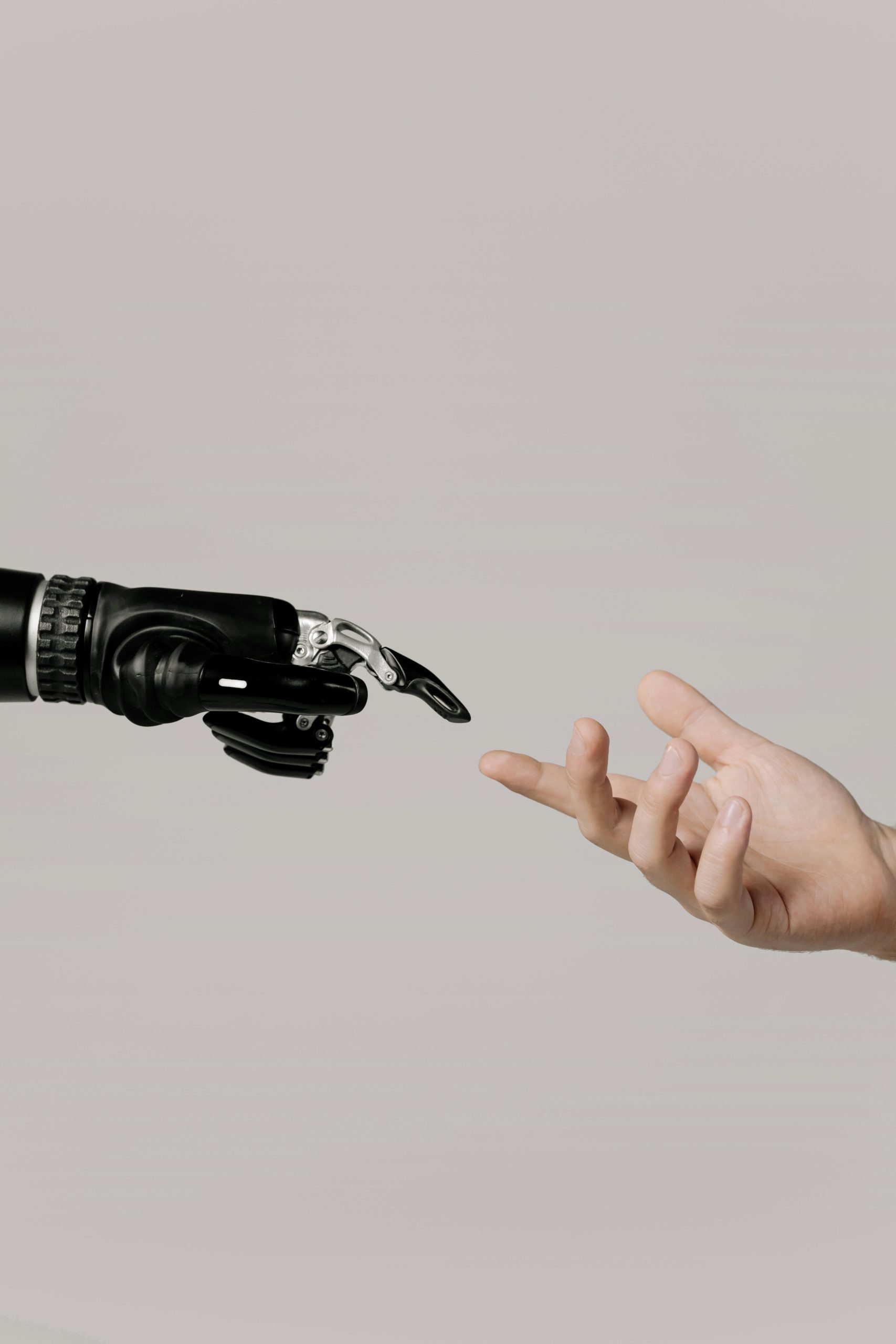
Despite the level of automation, decision-making hasn’t disappeared. It’s changed form. Operators are expected to interpret signals, not just react to situations. Judgment now involves both physical awareness and an understanding of what the system is indicating. That combination isn’t always intuitive, especially for workers trained in more traditional environments.
The gap isn’t technical, it’s transitional. And it’s where most friction currently sits.
What This Actually Means Going Forward
This shift isn’t temporary. The direction is clear: more connected systems, more structured processes, more reliance on data within physical work. The mistake is assuming that adopting the technology is the hard part. It isn’t. The harder part is aligning people with it, such as closing the gap between what the system can do and what the workforce is prepared to handle.
That gap is where inefficiency, risk, and resistance tend to show up. Physical work hasn’t been replaced by digital transformation. It’s been absorbed into it, and that’s a more demanding change than it first appears.