Discovering Unique Japanese Tea Varieties
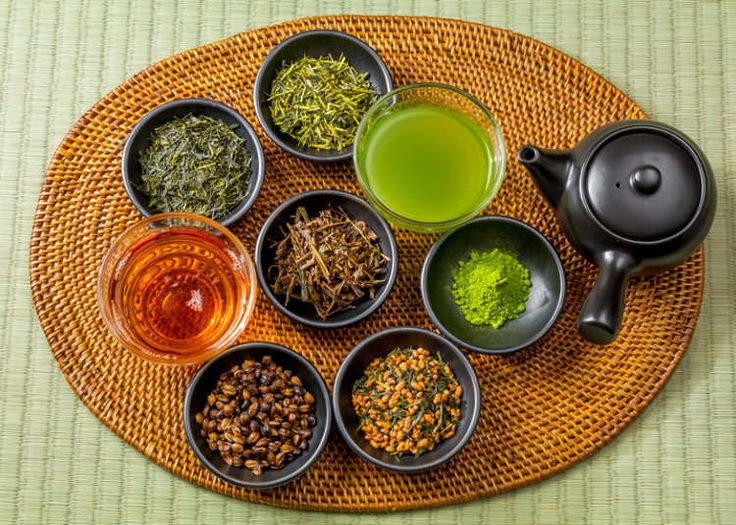
Japan has a rich tradition of tea cultivation and consumption that extends back centuries, offering a diverse array of distinctive tea varieties. For connoisseurs and newcomers alike, exploring these unique Japanese tea varieties presents an opportunity to appreciate subtle differences in flavour, aroma, and processing methods. One excellent resource for enthusiasts is the IKKYU Tea curated tea marketplace, which offers a carefully selected collection of authentic Japanese teas.
The Historical Context of Japanese Tea
The introduction of tea to Japan is traced back to the early 9th century when Buddhist monks brought tea seeds from China. Over time, cultivation techniques were refined and distinct regional varieties developed. Japanese tea culture is deeply intertwined with the traditional tea ceremony known as chanoyu, which highlights the aesthetic appreciation of tea.
Key Regions and Their Tea Varieties
Japan’s geography and climate give rise to notable tea-growing regions including Shizuoka, Uji, and Kagoshima, each contributing unique characteristics to their teas. These differences result from variations in soil composition, altitude, and weather conditions, influencing the flavour profiles of the teas harvested.
Uji Tea
Uji, located near Kyoto, is regarded as one of Japan’s oldest and most prestigious tea-producing regions. Known especially for its matcha and sencha, Uji-grown teas are prized for their rich umami and balanced bitterness. The area’s meticulous cultivation methods enhance leaf quality significantly.
Shizuoka Tea
Shizuoka prefecture is responsible for producing nearly 40% of Japan’s tea. Shizuoka tea is often described as having a fresh, grassy aroma with a slightly sweet aftertaste. The region grows a variety of green teas, suitable for both domestic consumption and export.
Kagoshima Tea
Situated in southern Japan, Kagoshima offers teas with robust and bold flavours due to its warm climate. The region has developed a reputation for unique green teas that provide a different taste experience from the more delicate northern varieties.
Understanding Tea Types: Sencha, Gyokuro, and Matcha
Japanese teas are predominantly green teas, and their processing techniques define their classification. Sencha is the most common type, appreciated for its fresh and slightly astringent taste. Gyokuro, a shade-grown tea, contains higher levels of amino acids which contribute to its sweetness and umami.
Matcha is distinct in its powdered form and use in tea ceremonies. It is made from shade-grown leaves finely ground into a powder, whisked with water for consumption. Matcha’s preparation and consumption embody aesthetics and mindfulness.
Special Varieties and Artisan Teas
Aside from mainstream varieties, Japan offers artisan teas that capture the interest of discerning consumers. These teas often come from small-scale farms, emphasising quality and traditional cultivation practices.
Two notable examples available on the IKKYU Tea marketplace are the premium Kiri Tea and the refined Masashi Tea. Both represent unique terroirs and meticulous craftsmanship, delivering exceptional taste experiences.
Premium Kiri Tea
Premium Kiri Tea stands out for its bright, refreshing flavour and delicate balance of sweetness and bitterness. Cultivated under specific conditions to enhance its aromatic compounds, Kiri Tea is ideal for those seeking a refined and invigorating tea experience. This tea is well suited for multiple infusions, each yielding subtle variations in flavour.
Refined Masashi Tea
Masashi Tea offers a more contemplative tasting journey with its deep umami notes and smooth texture. This variety is carefully hand-picked and crafted to preserve the natural sweetness and depth of the leaves. It is especially recommended for those who appreciate a more concentrated and rich green tea.
Other Notable Japanese Tea Types
In addition to green teas, Japan produces other distinctive varieties such as hojicha and genmaicha. Hojicha is roasted green tea, which results in a toasted, nutty flavour and lower caffeine content, popular for evening consumption. Genmaicha pairs green tea with toasted brown rice for a warm, savoury profile with a unique aromatic complexity.
The Importance of Harvest Time
Harvest timing significantly affects tea quality and characteristics. The first flush, or ichibancha, harvested in spring, is typically regarded as the finest with its vibrant flavour and aroma. Subsequent flushes provide different profiles, often milder and suitable for everyday drinking.
Tea Processing Techniques
Japanese tea production is distinguished by steaming leaves shortly after picking to prevent oxidation, contrasting with pan-firing methods used in Chinese teas. This steaming process preserves the green colour and fresh vegetal qualities. Following steaming, leaves are rolled and dried carefully to achieve the desired form and flavour.
Pairing and Enjoying Japanese Tea
Japanese teas pair excellently with various traditional and contemporary dishes. Their palate-cleansing and refreshing qualities complement delicate flavours, seafood, and seasonal vegetables. Serving temperatures and brewing time are important factors in optimising taste and aroma.
Brew Guidelines for Optimal Experience
For most Japanese green teas, water temperature should be lower than boiling, typically between 60-80 degrees Celsius. Steeping times range from 30 seconds to two minutes depending on the variety. Multiple infusions are encouraged to explore the evolving flavour notes in the leaves.
The Growing Global Appreciation of Japanese Tea
Japanese tea culture has increased in prominence worldwide, with a growing appreciation of its unique varieties and health benefits. The market for premium Japanese teas such as those found on the IKKYU Tea curated tea marketplace continues to expand as consumers seek authentic and high-quality experiences.
Health Benefits of Japanese Tea
Regular consumption of Japanese green tea is often linked to positive health effects due to its antioxidants, particularly catechins. These compounds may contribute to cardiovascular health, improved metabolism, and cognitive support. Each tea variety offers distinct profiles of beneficial nutrients and compounds.
Conclusion
Discovering unique Japanese tea varieties offers both sensory enjoyment and cultural insight. From the bright freshness of premium Kiri Tea to the deep refinement of Masashi Tea, the spectrum of Japanese teas is broad and captivating. Through careful selection and appreciation, tea lovers can enrich their experience of this ancient and sophisticated beverage tradition.