How Shelving Can Make Compact Homes Feel Bigger
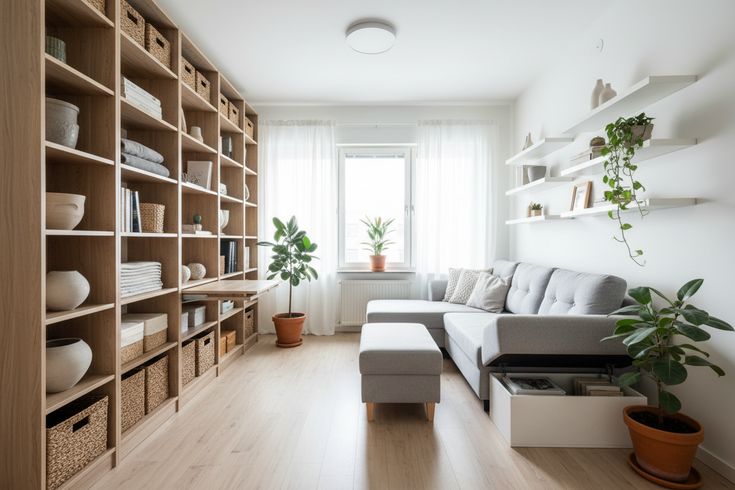
Compact homes present a unique set of challenges when it comes to creating a sense of spaciousness and practicality. One of the most effective solutions to enhance both storage capacity and aesthetic appeal in smaller living spaces is the strategic use of shelving storage. Well-chosen shelving can optimise space utilisation, reduce clutter, and visually expand the boundaries of a room.
Maximising Vertical Space
In compact homes, horizontal space is often limited, making vertical storage options essential. Shelving systems that extend upwards make full use of wall areas that might otherwise remain unused. By placing shelves higher on the wall, homeowners free up valuable floor space, which contributes to an overall impression of openness. This approach not only increases storage but also directs the eye upwards, making ceilings appear higher and rooms feel less confined.
Benefits of Open Shelves
Among the various shelving styles, open shelves are particularly advantageous in compact homes. Unlike closed cabinetry, open shelves provide an airy and light appearance. They avoid the bulkiness that solid doors might introduce and allow for easy access to items. These characteristics help maintain an uncluttered environment, which is crucial in small spaces. Open shelves also offer an opportunity to display decorative items, adding personality without overwhelming the room.
Creating Depth and Dimension
Strategically placed shelving can add depth to compact spaces. By projecting shelves at varying depths or incorporating staggered arrangements, a room gains visual interest and complexity. This three-dimensional effect tricks the eye into perceiving a larger space. Additionally, the use of multi-functional shelves that combine storage with display can break up monotony and contribute to spatial dynamics.
The Role of Light and Colour
Light tones and reflective materials on shelving units can amplify the feeling of spaciousness. Shelves finished in light colours or made from materials such as glass or light wood reflect more light, brightening the room. Placing shelves near natural light sources enhances this effect. Conversely, heavy, dark shelves might absorb light and visually contract the area.
Customised Shelving Solutions
Custom shelving can be tailored to fit exact dimensions and accommodate specific storage needs. In compact homes, where odd angles and irregular layouts are common, bespoke shelving offers solutions that integrate seamlessly with the available space. This approach minimises wasted space and ensures that every inch counts.
Watson Shelves: An Example of Efficient Design
Products such as Watson shelves exemplify how thoughtful design can blend functionality with style in compact environments. These shelves are designed to be sturdy yet unobtrusive, providing ample storage without compromising aesthetics. Their design facilitates easy reconfiguration, allowing residents to adapt their storage as their needs evolve.
Integrating Shelving with Furniture
To further save space, shelving can be integrated with furniture pieces. For example, shelves incorporated above desks or beds consolidate functions and reduce the footprint of separate furniture. This multifunctional strategy keeps the living area open and flexible.
Decluttering for Spaciousness
Shelving encourages organisation and decluttering, which are vital in compact homes. By providing designated places for belongings, shelving prevents accumulation of mess. A well-ordered environment naturally feels larger and more welcoming.
Accessibility and Convenience
In addition to creating the illusion of space, shelving offers convenience through accessibility. Arranged items are visible and within easy reach, reducing the need for rummaging and minimising time spent managing possessions. This contributes to a smoother, more efficient living experience, enhancing comfort in smaller dwellings.
Choosing the Right Material
The choice of material impacts the visual weight and durability of shelving. Lightweight materials like aluminium or acrylic can create a less intrusive presence, beneficial in compact rooms. Meanwhile, solid wood offers durability and warmth, but must be selected with attention to scale and finish to avoid overwhelming the space.
Combining Open and Closed Storage
While open shelves are beneficial, integrating some closed storage units alongside them can conceal clutter that detracts from the room’s openness. This balance allows homeowners to maintain an organised look without sacrificing accessibility or style.
Creating Zones with Shelving
Shelving can also function as a subtle room divider in open-plan compact homes. Using shelves to define zones, such as separating a living area from a kitchen or workspace, helps to structure the interior without erecting walls, thus preserving the flow of light and air.
Maintenance and Longevity
Durable, easy-to-clean shelving materials are particularly important in small homes where dust and dirt accumulation is more noticeable. Shelving that is simple to maintain ensures that the space continues to look neat and inviting over time.
Enhancing Aesthetics with Accessories
Decorative elements placed on shelving—such as plants, vases, or framed artwork—can personalise a compact home and soften its lines. A careful selection of accessories can add colour and texture, contributing to a more spacious and comfortable atmosphere.
Final Considerations
In summary, shelving plays a crucial role in maximising both storage and the perception of space in compact homes. Through thoughtful selection of style, material, and layout, homeowners can enjoy an enhanced living environment that feels larger and more organised. Whether incorporating the simplicity of shelving storage, the openness of open shelves, or the innovative design of Watson shelves, the possibilities to transform compact living spaces are abundant and highly effective.