DIY Gutter Repairs: Which Problems Call for Professional Help?
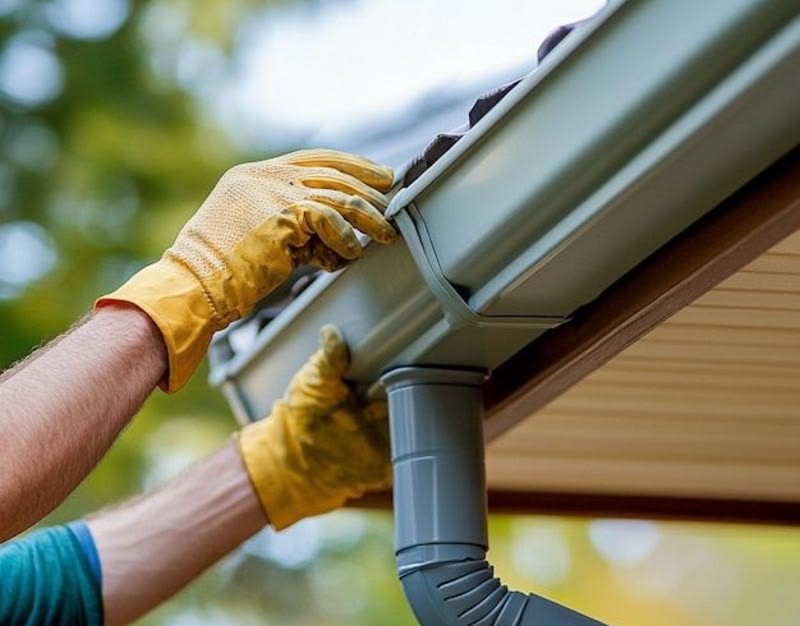
A dripping joint or loose downpipe can look like a straightforward weekend job. Sometimes it is. But gutters form a drainage system, and a small visible defect may be the result of a blockage, poor fall, damaged fascia or movement elsewhere along the roofline. For Australian homeowners, the sensible question is not simply whether a repair is possible, but whether the cause is clear and the work can be done safely. Knowing where to draw that line can prevent a temporary patch from hiding a larger problem.
Start with an inspection from the ground
Watch what happens during ordinary rain, from a sheltered, safe position. Note whether water escapes at a joint, spills over a long section, runs behind the gutter or pools near the house. Once the weather clears, look from the ground for sagging lengths, detached brackets, staining and damaged downpipes. Binoculars or photographs taken from a safe vantage point may help. Do not go onto a roof or climb a ladder just to confirm a suspicion.
It helps to distinguish a leak from an overflow. Water pouring over the front edge may point to leaves or sediment restricting flow rather than a hole. Before deciding that a gutter needs sealing, consider whether gutter cleaning would address the immediate cause. If overflow continues after debris has been removed, the gutter’s slope, capacity or outlet position may need closer assessment.
When is a small DIY task reasonable?
Low-risk maintenance usually means work that can be completed from the ground, without disturbing electrical services, roofing materials or the gutter’s structural supports. Clearing leaves from an accessible ground-level drain, for example, may restore the path for water leaving a downpipe. Reattaching a loose, reachable downpipe clip can also be modest work if the wall fixing is sound and you know how to use the correct fastener.
Even with a minor repair, check that the apparent fix matches the problem. A bead of sealant might slow a drip at a clean, sound joint, but it will not correct a gutter that holds standing water. Sealants also differ in their suitability for particular materials and weather exposure; follow the product instructions rather than assuming any outdoor sealant will do. If the joint repeatedly opens, the surrounding metal is thin or the connection is hard to reach, stop treating it as a simple patch.
Set a firm boundary before starting: if the job requires a ladder, working near an edge or reaching across a roof, consider professional help instead. A small saving is not worth a fall. Never work on gutters during rain, strong winds or when surfaces are wet.
Problems that deserve professional assessment
Persistent overflow or the wrong gutter fall
A gutter should direct water towards its outlets. If water remains in a long section after rain or repeatedly spills at the same point despite being clear, its fall may be wrong, a bracket may have moved, or the outlet may be inadequate for the roof area. These issues are difficult to judge by eye and are rarely solved by sealing the overflow point. A professional can check alignment and recommend whether adjustment, additional support or replacement is appropriate.
Sagging gutters and damaged fascia
A sagging run may be carrying trapped water, but it can also signal failed fixings or timber deterioration behind the gutter. Simply driving in another screw may not hold if the material underneath is soft. Staining, peeling paint or visible decay around the eaves warrants a closer look. The repair may involve the fascia as well as the gutter, and covering damaged material can allow moisture problems to continue unnoticed.
Widespread corrosion, cracks or repeated leaks
One isolated, sound joint is different from several leaking joints along an ageing run. Rust holes, brittle sections and cracks near outlets may indicate that the material has reached the point where patching buys little time. Mixed materials and unsuitable fasteners can also contribute to corrosion. An experienced repairer can compare the cost and likely durability of local repairs with replacing the affected section. Ask what has caused the damage so a new section is not exposed to the same avoidable problem.
Electrical, roof or storm-related hazards
Keep clear of gutters near overhead powerlines or damaged electrical fittings, and contact the appropriate qualified professional or electricity network if there is any concern. Storms can loosen roof sheets, tiles and fittings as well as gutters; do not assume the gutter is the only issue. Some older homes may contain materials that need special handling. If a repair could disturb an unfamiliar roof or eaves material, seek advice before touching it.
Repair or replace: what should you ask?
A professional quote is most useful when it explains both the proposed work and the reason for it. Ask which sections are sound, whether outlets and downpipes are clear, and whether brackets or fascia need attention. If replacement is recommended, ask why a local repair would not last. The least expensive immediate option is not necessarily the best value, but a full replacement should have a clear justification too.
Clarify who will check for hidden damage, remove old materials and test the finished drainage. Requirements for building or plumbing work can vary by location in Australia and by the scope of the job, so confirm any relevant licensing and approvals with your local authority or the tradesperson rather than relying on a general rule.
Make the next decision from evidence
Take dated photographs from safe locations and note when the problem appears: during heavy rain, after a storm or even in light showers. Those details help a repairer trace the cause and give you a better basis for comparing quotes. DIY makes sense when a task is genuinely minor, accessible and clearly understood. When the gutter is high, unstable or repeatedly failing, getting it assessed is the more practical next step.