Gaming as modern theater: why the player is both actor and audience
In the contemporary digital era, gaming has transcended the boundaries of mere entertainment, emerging as a multidimensional cultural phenomenon that fuses storytelling, performance, and social interaction in ways comparable to, yet distinct from, traditional theater. Players are immersed in richly designed virtual worlds, making choices that shape narratives, determine outcomes, and influence environments in real-time. This dual role—being both the actor who performs and the audience who observes—creates a unique participatory dynamic, where engagement is active, personal, and reflective. As a result, gaming challenges conventional notions of spectatorship, redefining what it means to experience art, narrative, and performance in a digital context, while simultaneously offering a space for creativity, experimentation, and identity exploration.
Gaming as a stage of interactive performance
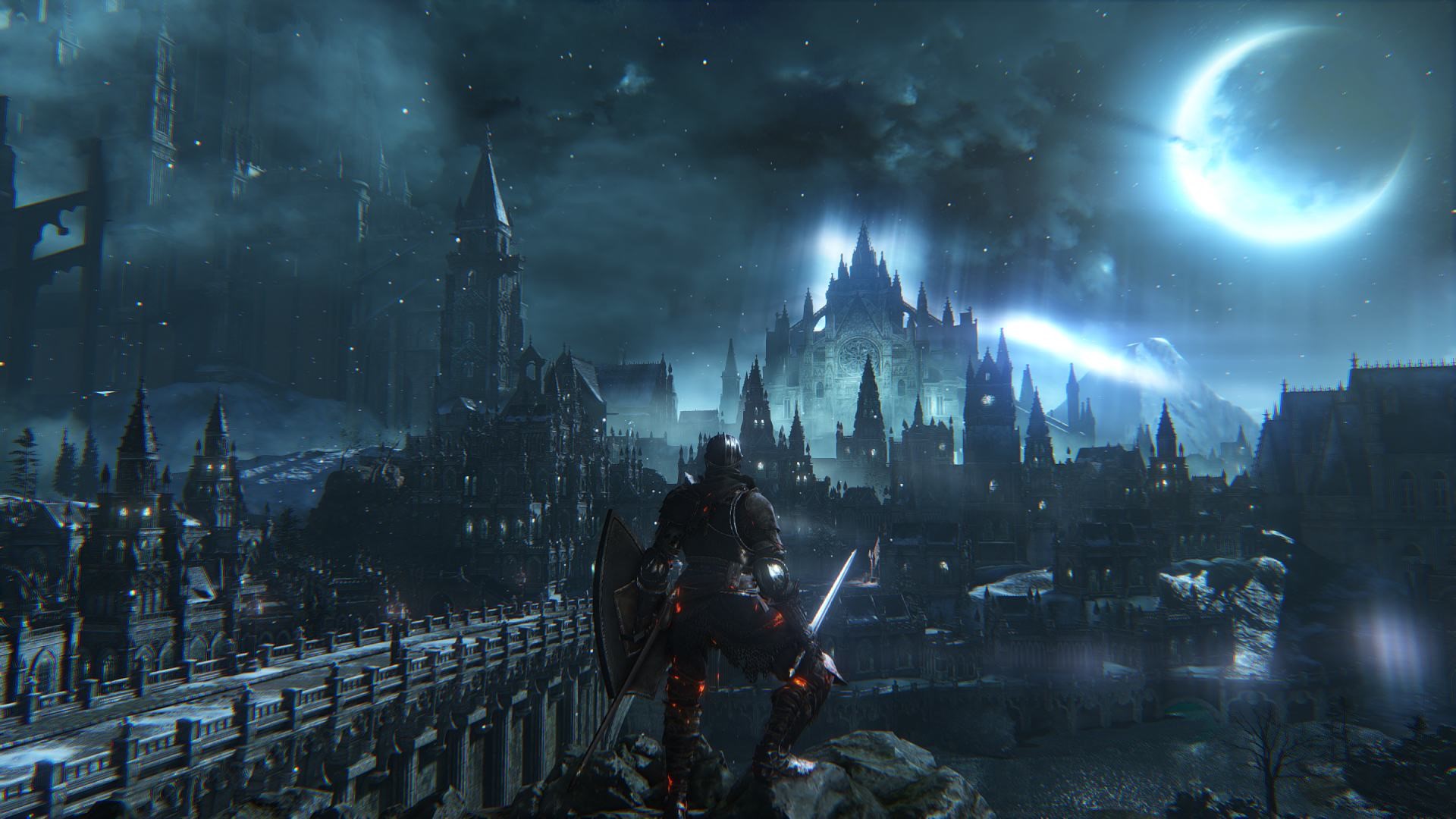
Every video game establishes a complex digital stage, complete with meticulously crafted environments, interactive objects, and narrative layers that function like sets, props, and scripts in traditional theater. Unlike theater, where the audience is passive, video games offer an interactive stage where the player’s actions influence not just outcomes but the story itself, turning gameplay into a performative act. Titles such as The Last of Us, Hades, and Elden Ring exemplify this, immersing players in worlds that react dynamically to their choices and actions, creating experiences that are both unique and emotionally resonant. Players interpret the rules, improvise strategies, and embody roles, effectively transforming the game into a collaborative performance.
The digital stage’s adaptability ensures that even small choices can dramatically alter the narrative, making each playthrough a new performance with distinct stakes and consequences. This interactivity mirrors improvisational theater, where actors respond to changing circumstances and audience feedback. Across genres—from strategic simulations to immersive role-playing adventures—the ability to blend scripted content with player agency elevates gaming into a sophisticated form of interactive theater, bridging the gap between performer, environment, and narrative.
The dual role of performer and spectator
One of the most captivating aspects of gaming is the simultaneous existence of the player as both performer and spectator. Players make decisions, tackle challenges, and enact strategies while simultaneously witnessing the consequences of their actions unfold in real time. This duality is intensified in multiplayer games and live-streaming environments, where audiences observe live performances, engage with the player, and influence the pace and style of gameplay. Communities surrounding twitch cs2 exemplify this interplay, highlighting how gaming merges individual participation with collective observation, creating performances that are interactive, socially mediated, and culturally significant.
Streaming platforms have revolutionized the concept of performance by enabling players to perform for global audiences. Viewer interactions—through commentary, feedback, and social engagement—actively shape the live performance, creating a feedback loop that enhances narrative depth and emotional engagement. The blurring of lines between performer and observer forms a participatory culture where gameplay is simultaneously a personal journey and a public spectacle, illustrating the unique theatrical qualities of modern gaming.
Storytelling as modern dramaturgy
Narrative-driven games employ storytelling techniques that mirror the dramatic structures of classical theater, including conflict, tension, climax, and resolution, while introducing interactivity that transforms players into co-authors of the story. Unlike linear theater narratives, gaming narratives are fluid and responsive, adapting to player choices, moral decisions, and strategic actions. In role-playing games and interactive adventures, this agency allows players to personalize their journey, creating variations in character development, world states, and plot outcomes. Each decision adds nuance, similar to how an actor interprets and enriches a scripted role, making each gaming experience uniquely performative.
The dramaturgical framework of games challenges traditional notions of authorship, as developers provide the structure, rules, and narrative possibilities, but the real drama emerges through player interaction. This co-creative process transforms gaming into a collaborative art form, where the boundaries between author, actor, and audience merge. The improvisational and adaptive qualities of gaming narratives illustrate how interactivity, choice, and agency are central to storytelling, offering a modern evolution of dramaturgy that resonates with contemporary audiences.
Emotional immersion and audience connection
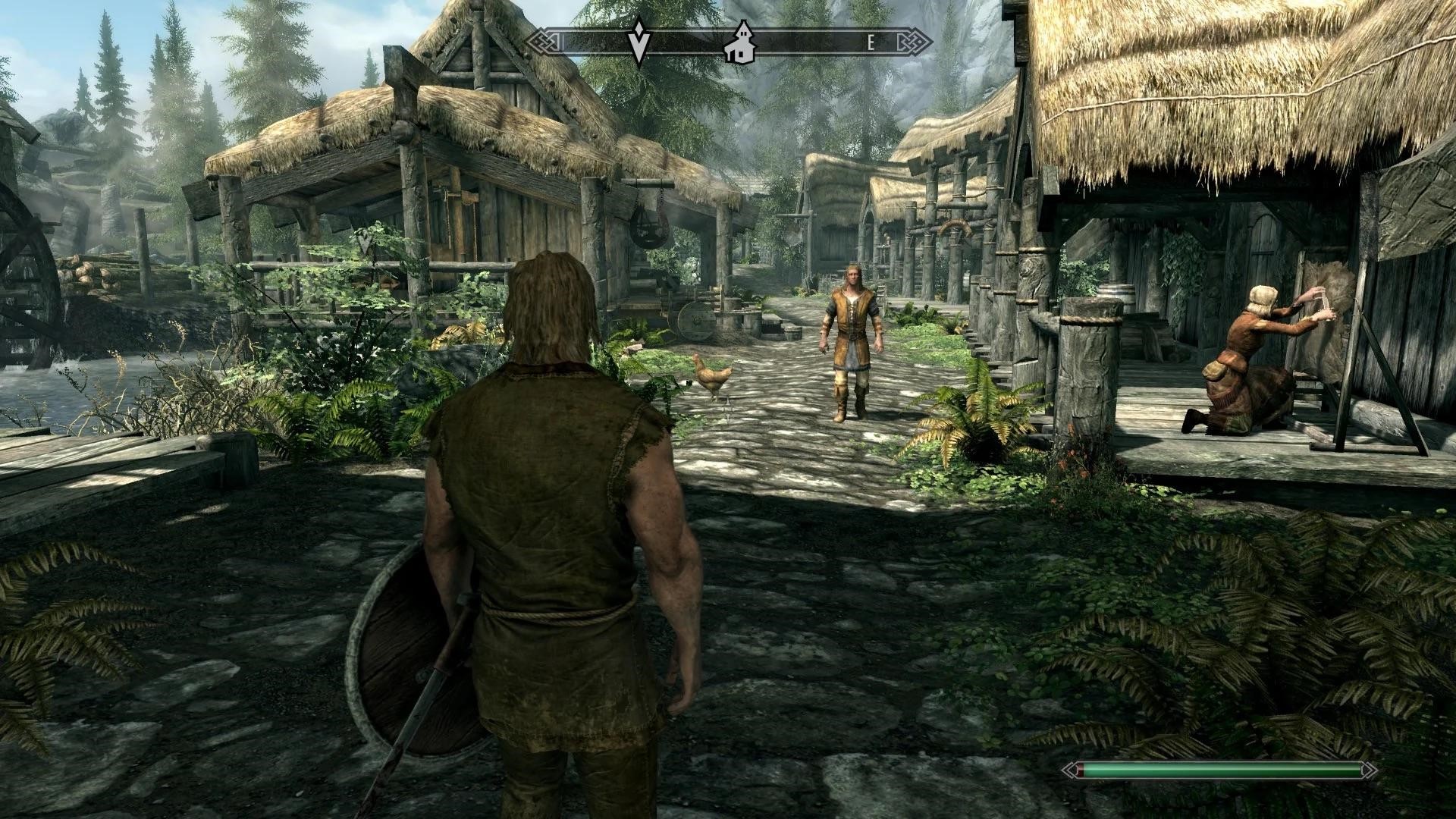
Theatrical performances aim to evoke deep emotional responses through storytelling, acting, and stagecraft, and similarly, games achieve profound emotional immersion through narrative depth, interactive mechanics, and design that prioritizes player engagement. Players experience a broad spectrum of emotions—empathy, tension, excitement, and moral conflict—by inhabiting characters and making meaningful choices that influence outcomes. Iconic gaming moments, from epic boss battles to consequential story decisions, elicit lasting emotional resonance, creating personal experiences that rival the impact of live theater.
Esports and live broadcasts extend this immersion to a communal level, transforming individual gameplay into collective cultural performances. Spectators engage actively, cheering, analyzing strategies, and emotionally responding to live events. High-profile tournaments elevate players to the status of performers and influencers, blending personal skill, storytelling, and audience engagement into a unified spectacle. These social and participatory dimensions highlight how gaming functions as a modern theater, capable of connecting individuals emotionally, culturally, and socially in ways that extend beyond solitary play.
Conclusion
Gaming represents a radical evolution of theater in the 21st century, merging digital stages, interactive narratives, and participatory roles into a distinctive form of art. Players act as both performers, shaping outcomes and experiences, and as audiences, observing the consequences of their choices in real time. Live streaming and esports magnify these dynamics, turning gameplay into shared cultural performances that engage global communities. As the medium continues to evolve, gaming’s theatrical qualities deepen, offering immersive, interactive, and emotionally rich experiences. Ultimately, gaming stands as one of the most innovative art forms of our time, blending creation, observation, and community into a living, digital theater that entertains, challenges, and inspires.