Gate Installation Campbell: What Most Homeowners Get Wrong Before They Buy
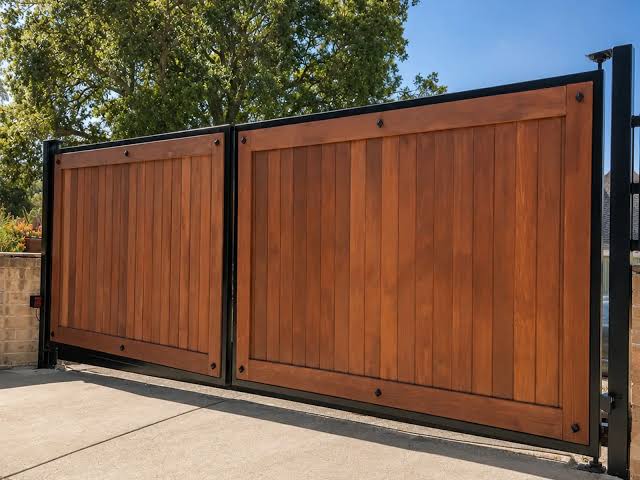
Most people believe that installing a driveway gate is simply a matter of picking a style they like online and handing the job off to whoever gives them the lowest quote. The truth is that approach is exactly how homeowners end up with a gate that sags within 18 months, an operator that strains against the wrong load, and a final bill that’s 40% higher than the original estimate once problem-solving begins. I’ve been in the gate installation and repair trade for over a decade, and the jobs I get called to fix most often aren’t random failures — they’re predictable consequences of shortcuts taken at the very beginning of the project.
The myth that any competent handyman can handle a gate installation is reinforced by how approachable the hardware looks on a showroom floor. The reality is that a residential driveway gate system involves site grading, post-depth engineering, gate weight calculations, operator torque ratings, and code compliance — none of which show up in a YouTube tutorial. Here’s what you actually need to know before you invest in one.
The Myth of the One-Size-Fits-All Gate
Walk into any big-box hardware store and you’ll see swing gates, slide gates, and bi-fold options all marketed as universally suitable for residential driveways. In my experience, that framing causes more bad purchases than almost anything else.
Swing gates need clearance arcs — typically equal to the full panel length behind the hinge post. If your driveway slopes upward from the street, a swing gate will drag or bind on the pavement before it fully opens. Slide gates solve that problem but demand a straight lateral clearance equal to the gate width plus an additional two feet for the operator carriage. A 16-foot slide gate needs roughly 18 feet of unobstructed fence line. Most suburban lots in Campbell, CA have exactly that amount of space — but only if the layout is planned correctly from day one.
Why Your Driveway Dimensions Change Everything
Before any conversation about style or finish, I always ask a homeowner three questions: What is the exact opening width? What is the grade change across the driveway? And where does the property line sit relative to where posts will be set?
In Santa Clara County, setback requirements and easement rules can shift where footings are legally allowed to go. A post set even 12 inches in the wrong direction can put you in a compliance issue that requires a full reinstall. I’ve seen this happen in Campbell neighborhoods where a utility easement runs closer to the curb than the homeowner realized.
For anyone exploring Gate Installation Campbell, the smartest first step is a professional site assessment — not a catalog browse. Concrete footing depth here in the South Bay typically runs 24 to 36 inches depending on soil composition, and that detail alone affects your labor cost significantly.
Choosing the Right Gate Operator for Campbell’s Climate
The Santa Clara Valley sits in a Mediterranean climate zone: dry summers that push temperatures above 95°F, mild wet winters, and significant temperature swings between morning and afternoon. Those conditions matter when you’re selecting a gate operator.
Linear actuator swing operators tend to perform reliably in this range, but the motor housing needs to be rated for direct sun exposure. I’ve pulled out operators after just two summers because a homeowner chose an indoor-rated unit that was installed facing south with zero shade. The circuit board cooked slowly every afternoon until it failed.
For slide gate operators, chain-driven units are workhorses in residential settings, but the chain tension needs seasonal adjustment — heat expansion in summer can cause slack that leads to skipping, while cooler months can tighten things up. Budget for at least one maintenance visit per year, and make sure your installer explains the adjustment process before they leave the job site.
The Hidden Costs of Skipping Professional Installation
A gate and operator package that costs $3,500 in materials can easily become a $5,500 project if the installation is done without proper planning. Here’s where those extra costs hide:
Concrete work. Undersized footings are the number-one cause of post lean, which misaligns the gate over time. Proper footings require form work, rebar, and curing time — none of which a rushed crew will give you.
Electrical rough-in. Operators need a dedicated circuit, typically 110V for residential, run in conduit to a weatherproof junction box. If your panel is on the opposite side of the house, trenching alone can add $400 to $800 to the job.
Permits. Campbell’s building department requires permits for permanent structures, and a gate with a concrete footing qualifies. An unpermitted install can complicate a home sale or trigger a correction notice.
Homeowners in the surrounding area — including those researching gate installation services near Cambrian Park — face the same permitting landscape and should factor this into their planning timeline, typically adding one to two weeks before physical work can begin.
Access Control: The Feature Homeowners Wish They’d Added First
Nine out of ten homeowners who call me for a gate opener repair also ask, mid-conversation, whether they can add a keypad or intercom “now that the gate is already in.” The honest answer is yes — but it costs more to retrofit than to include from the start.
Modern access control options range from simple keypads at around $200 installed, to video intercom systems with smartphone integration that run $800 to $1,500. If you have regular service deliveries, you’ll want a delivery code feature. If you have older family members visiting frequently, a remote fob is worth every cent. Plan this layer into your initial project scope.
What to Ask Before Signing Any Gate Installation Contract
After a decade in this trade, these are the questions that separate thorough contractors from risky ones:
- Can you pull the permit, or is that my responsibility?
- What is the footing depth and diameter you’re specifying, and why?
- What is the operator’s duty cycle rating, and does it match my expected daily usage?
- What does your warranty cover — parts only, or labor too?
- Who do I call for service after installation, and what’s the typical response time?
A contractor who hesitates on any of those questions is telling you something. The gate itself is often the least complicated part of this project — the planning, permitting, and professional execution are what determine whether it’s still working smoothly five years from now.