How Cargo Securement Failures and Overweight Trucks Create Specific Liability in Michigan Accident Cases
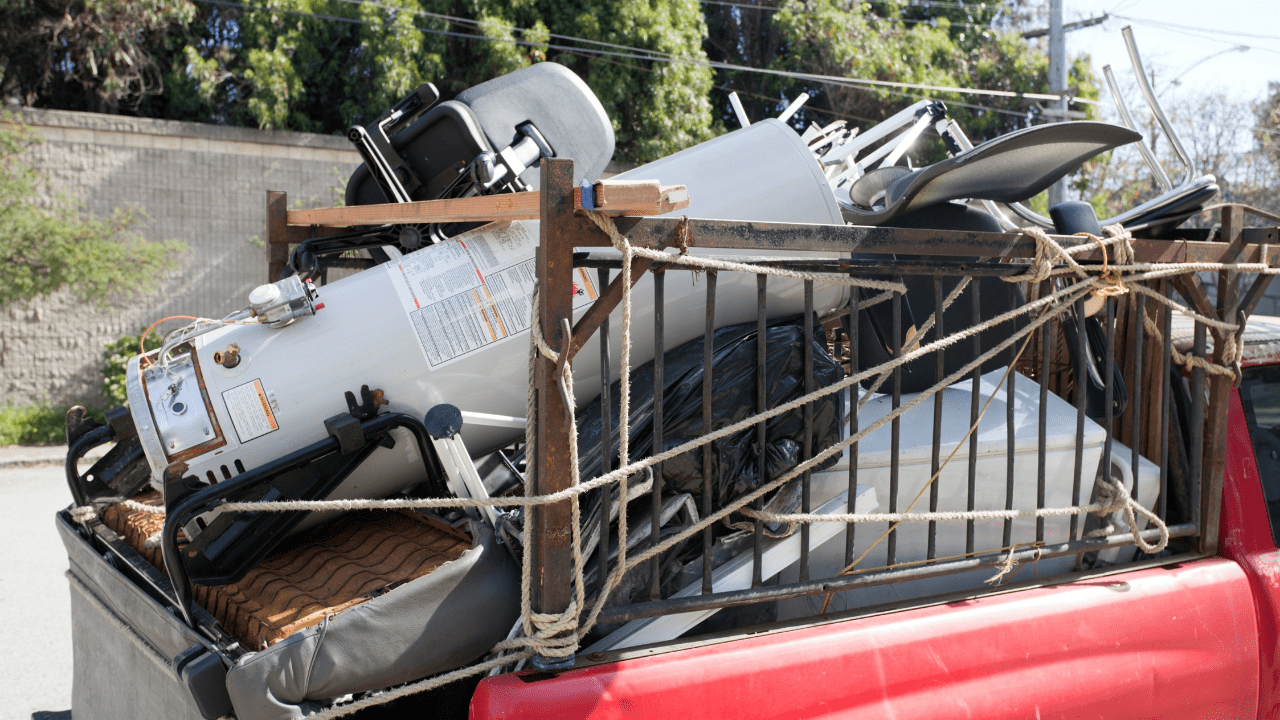
Michigan’s roads carry some of the heaviest commercial truck traffic in the country, driven by the state’s manufacturing economy and its role as a major freight corridor between the Midwest and the East. The combination of heavy freight volumes and Michigan’s road infrastructure, which has struggled with maintenance funding, produces a specific crash risk environment in which overweight trucks and cargo securement failures are recurring contributors to serious accidents. Federal and state regulations establish specific weight limits and cargo securement standards, and when carriers violate these standards and a crash results, the regulatory violation is the liability foundation for a negligence per se claim that does not require expert opinion about what reasonable care demanded.
A Michigan truck accident lawyer handling cases in this environment knows that cargo securement and weight compliance records are among the first discovery targets in any Michigan commercial truck case, because these violations appear with regularity and they produce clean per se negligence arguments that are among the strongest available in truck accident litigation.
Michigan’s Special Permit System and What It Creates
Michigan allows overweight and oversized loads to operate on its roads through a special permit system administered by MDOT. Permits specify the maximum weight the vehicle may carry, the routes it may travel, the times it may operate, and in some cases the escort requirements for oversized loads. A carrier that operates with a load exceeding its permit weight, that travels a route not authorized by the permit, or that fails to obtain a required permit at all has violated Michigan’s commercial vehicle laws and federal weight regulations simultaneously. When these violations contribute to a crash, the permit documentation and the weight ticket records from the loading facility are among the most important early evidence sources in the case.
Cargo Securement and the FMCSA Standards
FMCSA regulations under 49 CFR Part 393 establish specific cargo securement requirements covering how different categories of freight must be blocked, braced, tied, and chained for transport on public roads. These requirements apply to every commercial carrier in interstate commerce and are regularly cited in FMCSA roadside inspections. A carrier whose cargo shifted during transit because the securement did not meet the regulatory standard, and whose shifting load contributed to a loss of vehicle control or a collision, has committed a specific regulatory violation whose role in the crash is a straightforward causation argument rather than a contested judgment call. Inspection records from the specific carrier’s history of cargo securement violations, available through the FMCSA Safety Measurement System, are relevant to establishing whether the crash reflects a systemic pattern or an isolated incident.
How Michigan’s No-Fault System Applies When Cargo Falls From a Truck
When a vehicle is struck by cargo that has fallen from a commercial truck, or when a driver swerves to avoid fallen cargo and crashes as a result, Michigan’s no-fault system provides first-party PIP benefits to the injured occupants of the struck vehicle. The tort claim against the carrier whose unsecured cargo caused the incident follows the same serious impairment threshold and comparative fault framework applicable to other Michigan personal injury cases. The carrier’s pre-trip inspection documentation, the driver’s cargo securement checklist, and the physical evidence of how the cargo was loaded and secured are the evidentiary foundation for the negligence per se claim based on the cargo securement violation.
Why Cargo Cases Require Prompt Scene Documentation
Crash scenes involving scattered cargo are subject to rapid change as road crews clear the debris and traffic resumes. The pattern in which cargo fell, the condition of the securement devices after the crash, and the distribution of the load across the road surface all provide information about how the securement failed that disappears when the scene is cleaned. Prompt scene documentation through photographs, measurements, and in some cases accident reconstruction is the step that preserves this information before it is gone. The Michigan State Police’s commercial vehicle enforcement program describes the state-level commercial vehicle inspection program that enforces cargo securement and weight regulations on Michigan roads and that produces inspection records relevant to carrier compliance histories in Michigan truck accident cases.