How Does Uber Insurance Work When a Driver Is Waiting for a Ride Request?
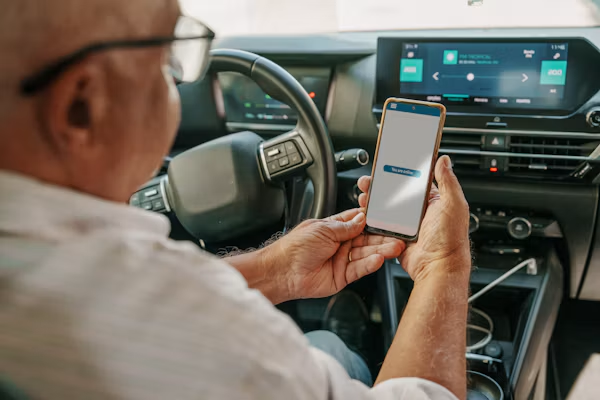
Uber insurance generally provides limited liability coverage when a driver is logged into the app and waiting for a ride request. This stage is known as Period 1. The coverage may help pay for injuries or property damage if the driver causes an accident, but the available limits are lower than those that apply after the driver accepts a ride.
The exact coverage depends on the state and the applicable insurance rules.
When an accident happens during this waiting period, understanding how rideshare accidents are handled can help clarify which insurance policy may cover the losses.
Many people seek legal guidance to understand their options, and one such resource is a law firm that handles rideshare accident claims.
In this article, we explain how Uber insurance works while a driver is waiting for a ride request, what coverage may apply, and how the driver’s app status can affect an accident claim.
What Insurance Applies When an Uber Driver Is Waiting for a Request?
When an Uber driver has turned on the app and is available to accept rides but has not accepted a request, the driver is in Period 1. During this stage, Uber’s insurance arrangements may provide liability coverage for accidents involving injuries or property damage to others.
However, this coverage does not mean every loss is automatically covered. The insurer will review the circumstances of the accident, the driver’s status, and the applicable policy terms.
Under California Public Utilities Code Section 5433(c), the minimum required liability coverage during this period includes:
- $50,000 per person for death and personal injury.
- $100,000 per incident for death and personal injury.
- $30,000 per incident for property damage.
- At least $200,000 in excess coverage for qualifying liability exceeding the required primary limits.
These are California’s statutory minimums under the version effective January 1, 2026. Other states may have different requirements.
Does Uber Insurance Cover the Driver’s Own Injuries and Vehicle Damage?
Period 1 liability coverage primarily addresses the driver’s legal responsibility for injuries and property damage suffered by other people. It does not automatically cover the driver’s own medical expenses or vehicle repairs.
Coverage for the driver depends on the policy and the type of loss involved.
- Driver’s injuries: The driver may need to rely on personal health insurance, applicable personal auto coverage, or other eligible benefits.
- Vehicle damage: Uber does not provide its platform-maintained collision or comprehensive coverage while the driver is online but has not accepted a trip.
- Additional protection: A rideshare endorsement or other optional insurance may provide coverage beyond a standard personal auto policy.
Drivers should review their personal policy and any applicable rideshare coverage to understand potential gaps.
What Happens When the Driver Accepts a Ride Request?
The insurance period changes once the driver accepts a ride request through the Uber app. The driver then enters the next coverage stage, which includes travelling to pick up the passenger and completing the ride.
In California, Public Utilities Code Section 5433(b) requires at least $1 million in primary liability coverage for death, personal injury, and property damage during this stage. This is significantly higher than the minimum liability coverage required while the driver is waiting for a request.
The distinction matters because an accident occurring moments before a request is accepted may be subject to different coverage limits than one occurring moments afterward. App records and trip timestamps can help establish the driver’s status at the time of the collision.
Key Points to Remember
- Uber drivers waiting for ride requests are generally in Period 1 of rideshare insurance coverage.
- California law sets minimum liability limits of $50,000 per person, $100,000 per incident, and $30,000 for property damage during this period.
- California also requires at least $200,000 in excess liability coverage for qualifying claims.
- The driver’s own injuries and vehicle damage are not automatically covered by Period 1 liability insurance.
- Accepting a ride request changes the applicable coverage period and can substantially increase the required liability limits.