How Preventive Industrial Maintenance Reduces Costly Downtime
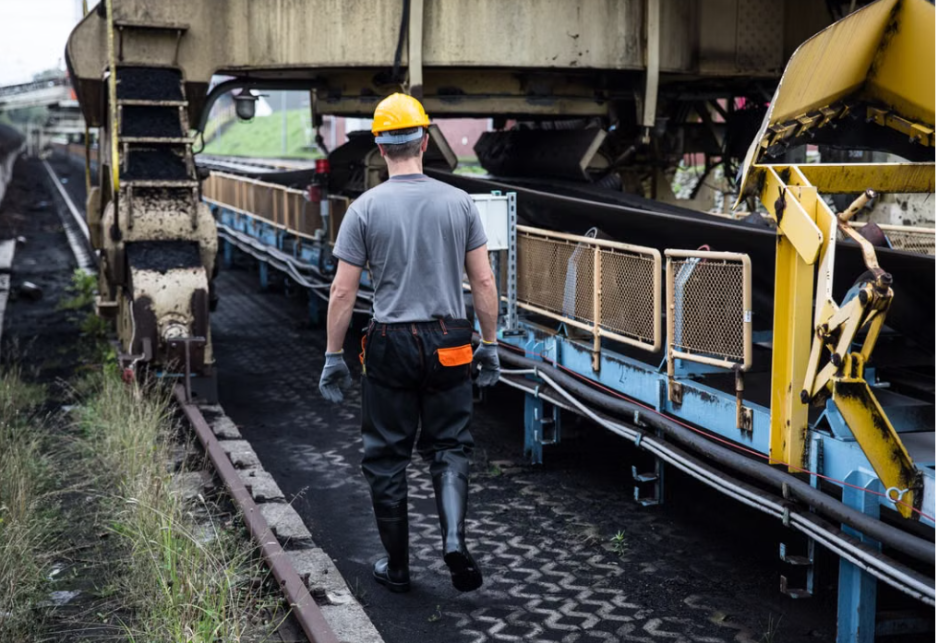
Industrial equipment does not always fail at the opportune time. With little warning, a worn bearing, leaking hydraulic line, loose connection, or control fault can bring a production process to a halt.
When equipment fails, your crew will experience delayed orders, wastage of labor, high repair expenses, and loss of production time. A decline in performance due to repeated breakdowns may also complicate maintenance planning and ensure consistency in output.
Preventive maintenance is more of a control measure. Through checking equipment, detecting early warning signs, and fixing minor problems before they turn into failures, you can minimize the risk of having unforeseen stoppages. It also assists your understanding of equipment status and schedules repairs according to production requirements.
Preventive industrial maintenance can also save on expensive downtime as it detects the problem in the initial stages and repairs it before it interferes with production.
Here are five practical methods on how it can enhance equipment reliability and ensure that operations continue.
1. Prevents Equipment Failures Before Production Stops
Preventive industrial maintenance is aimed at identifying equipment issues before they disrupt production. Periodic checks may indicate the presence of worn-out parts, excessive vibration, overheating, leaks, and loose fittings, among others. These problems can be viewed as slight, but they can evolve into failures that halt a whole process.
An organized maintenance schedule allows you time to check out the important machines and rectify faults during regulated service intervals. This proves to be very handy when mechanical, electrical, hydraulic and control systems are in combination.
When one element fails, other systems may be involved, and thus early focus can help to avoid a bigger breakdown. Maintenance records may also assist your team in identifying repetitive problems and fixing them before they turn into costly downtimes.
2. Extends Machinery Lifespan and Reduces Replacement Costs
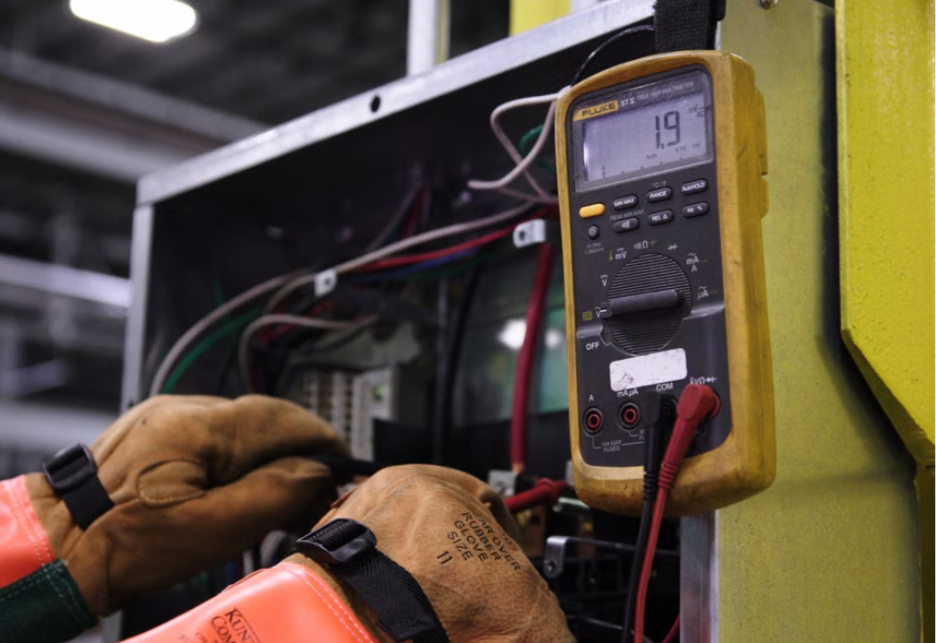
Unexpected equipment failure can create costs beyond the repair itself. When machinery stops, your team may lose production hours while waiting for diagnosis, parts, or technical support. In contrast, planned maintenance allows many repairs to be scheduled around operating requirements.
Regular servicing can also help you replace worn components before they damage nearby parts. For example, correcting poor alignment or addressing inadequate lubrication may prevent excessive wear across connected machinery.
Hydraulic systems can also benefit from routine checks for leaks, pressure problems, contamination, and component condition. Addressing these issues early can reduce the chance of major failures and help control repair expenses.
Planned maintenance cannot prevent every breakdown. However, it can reduce avoidable failures and make maintenance spending more predictable.
3. Improves Equipment Reliability and Production Efficiency
Reliability of equipment has a direct influence on production consistency. Machines functioning as desired allow your team to have steady timetables and consume less time addressing emergent failures. Preventive maintenance aids in this reliability by ensuring essential parts are maintained in appropriate working conditions.
It should not just be limited to observable mechanical components. Supporting systems such as electrical connections, controls, sensors, PLC systems, hydraulic components, and other supporting systems can also influence equipment performance. Regular testing and inspection can help identify faults that may not be obvious during normal operation.
This becomes especially important in automated facilities. A PLC or robotic system may depend on several connected components, so a small communication or control issue can stop a production cell. Routine checks can identify potential problems earlier and allow your team to correct them before a complete stoppage.
4. Reduces Emergency Repair and Labor Expenses
Emergency repairs often require faster decisions and greater disruption than planned service work. Your team may need urgent technical support, replacement parts, and schedule changes. These pressures can increase repair costs while extending the time equipment remains offline.
Preventive maintenance shifts some of this work into planned service windows. Instead of responding only after a failure, you can schedule inspections, lubrication, alignment checks, and component replacement based on equipment condition. This gives maintenance teams more control over labor, parts, and service timing.
Consistent maintenance records can also improve troubleshooting. Technicians can review previous repairs, recurring faults, and equipment condition when investigating a developing problem. Over time, better planning can reduce the frequency and disruption of emergency repair work.
5. Supports Safer and More Consistent Industrial Operations
Preventive maintenance can also support safer and more consistent industrial operations. Poorly maintained equipment may develop mechanical, electrical, hydraulic, or control problems that affect safe operation. Regular inspections help your team identify defects before they create more serious concerns.
Your maintenance program should reflect the equipment and conditions within your facility. Heavy machinery, hydraulic systems, automated equipment, and production controls may require different inspection points and service intervals. You can prioritize critical assets based on their role in production, failure history, operating conditions, and potential downtime impact.
When you know which machines are most critical, you can focus resources where failures would cause the greatest disruption. Over time, consistent maintenance can help extend equipment life, improve reliability, and support smoother production.
Conclusion
Costly downtime often begins with a problem that could have been identified earlier. Preventive maintenance gives you a practical way to find those warning signs, schedule repairs, and protect critical equipment before failures disrupt production.
It can also reduce emergency repair pressure, improve equipment reliability, and help your team manage maintenance resources more effectively. The key is consistency.
Regular inspections, accurate maintenance records, timely repairs, and attention to mechanical, hydraulic, electrical, and control systems can make a meaningful difference. By treating maintenance as an ongoing operational priority, you can reduce avoidable interruptions and keep production more stable.