How Telehandlers Simplify Material Handling on Multi-Storey Builds
Multi-storey jobs have this funny way of surprising even seasoned builders. Everything looks simple on the drawings, but once the site gets busy, the whole thing starts feeling like a puzzle that keeps adding pieces when no one’s looking.
The constant shifting of materials between levels can wear people down, especially when access is tight or scaffolding only gets you so far. There’s also the never-ending back and forth with pallets, timber, and loads that always seem heavier than expected.
Many crews dive into a project thinking they’ve accounted for every nail and beam, then suddenly realise the sheer volume of materials needed once the real work begins. This is where a telehandler makes life easier, taking the chaos of multi-level lifting and turning it into something that just works.
The Magic Behind the Machine: What Makes Telehandlers So Handy?
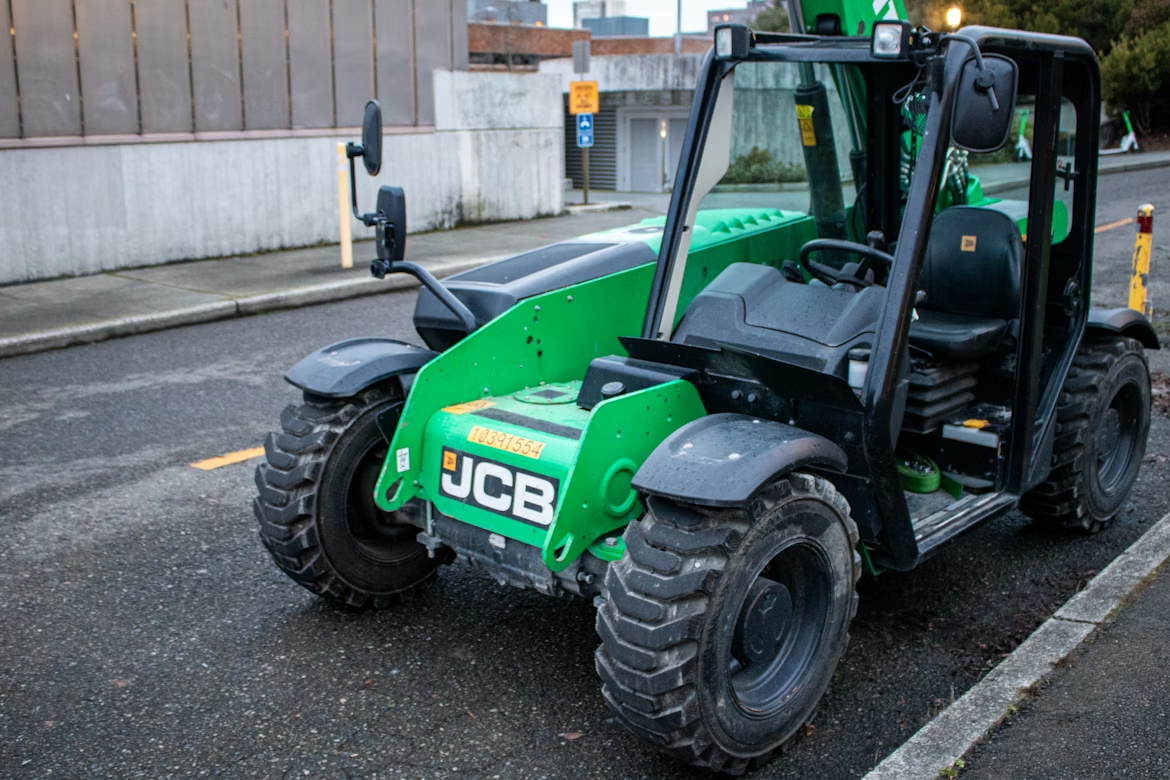
A telehandler has a way of blending strength and reach in a package that feels surprisingly easy to operate. At the heart of it is the telescopic boom. It extends smoothly, giving operators the ability to lift materials to impressive heights while still keeping good control.
The beauty of the whole setup is that a telehandler behaves like a forklift, crane, and loader all rolled into one solid piece of equipment. That flexibility means it can tackle different jobs without needing to bring in several machines.
Even with its size, it moves with a level of accuracy that catches people off guard in a good way. That awkward corner no one wants to deal with suddenly stops being such a headache because the machine can angle, lift, and place materials neatly. It turns challenges that used to drag on for hours into straightforward tasks that help keep everything moving along.
Navigating Vertical Worksites: How Telehandlers Reduce the Physical Grind
Multi-storey builds demand constant movement of materials, and doing that manually can drain energy from the crew quicker than anyone expects. Every extra level adds a layer of difficulty, so having a telehandler on site can feel like having a strong, steady helper that doesn’t tire.
Instead of relying solely on scaffolding platforms or hoists, crews can lift what they need straight to the exact floor without multiple trips. Operators can also adjust the boom angle on the go, making it easier to place materials in spots that seem almost out of reach. Tasks that usually take a line of workers suddenly get done in one clean lift. Here are a few ways telehandlers shake up the workflow:
- Lifting pallets of bricks or blocks straight to elevated floors
- Delivering heavy sheets or beams to hard-to-reach spots
- Handling large bundles of timber without repeated manual carrying
- Positioning tools, equipment, or mixed materials exactly where they’re needed
When Space is Tight: Telehandlers in Confined Urban or Clustered Sites
Some sites are so cramped that even walking around with a tape measure feels tricky. Turning vehicles in these locations can feel like doing a three-point turn inside a broom closet.
Compact telehandler models shine here because they’re built for nimble movement without losing lifting power. The steering systems are designed to glide through narrow access points, and operators can inch the machine forward or sideways with surprising finesse.
That level of control makes a huge difference when the site is packed with framing, stacked materials, and other vehicles trying to squeeze through. It also helps that a telehandler can lift from a distance instead of needing to sit right next to the delivery spot.
Being able to work around obstacles saves time and keeps everything running smoothly, almost like having a clever workaround built into the machine itself.
Using Attachments to Make One Machine Do 10 Jobs
Telehandlers become even more impressive when fitted with the right attachments. Builders often don’t realise how much time can be saved when one machine can shift materials, lift loads, and assist with elevated tasks in a single run.
Buckets help shift loose material, jibs extend reach for tricky placements, and grapple hooks secure awkward items without a fuss. The best part is that swapping attachments is straightforward and usually quicker than people expect, which means no long pauses waiting for equipment changes.
On multi-storey builds, the right attachment can transform the pace of the job. A few attachments that are really helpful include:
- Fork tynes for moving stacked materials cleanly and quickly
- Jib attachments for extending reach beyond balconies or framing
- Work platforms for safe elevated tasks where ladders aren’t ideal
Minimising Delays and Downtime: Why Telehandlers Keep Projects Moving
Project delays often happen because materials aren’t ready when they should be. It’s rarely about lack of skill and more about simple timing gaps that slow the whole day down.
A telehandler helps close those gaps because it can move materials fast, react to changing site needs, and handle loads that would take far longer to shift by hand. Well-maintained rental units are kept in solid working condition, so crews know the machine can handle the pressure of multi-level lifting without trouble.
By keeping materials flowing to the right spots, it prevents hold-ups that would otherwise affect other trades waiting for space or supplies. That steady rhythm makes the entire site work more efficiently, like everyone’s rowing in sync instead of chasing delays.
Final Thoughts: Why Hiring a Telehandler Just Makes Sense
Telehandlers bring a sense of order to busy multi-storey builds. They lift, reach, carry, and place materials with a level of ease that changes how crews manage each day. Hiring one from a trusted provider like Biondo Rentals is a practical move for builders who want to boost productivity without buying extra gear.
There’s also something reassuring about having a machine that can switch roles so quickly. If there’s one thing learnt from years of watching these machines at work, it’s that they rarely get the credit they deserve.
Bringing a telehandler on site is a smart call for any project with layers of activity happening at once, especially when the goal is to keep things flowing without breaking a sweat.