
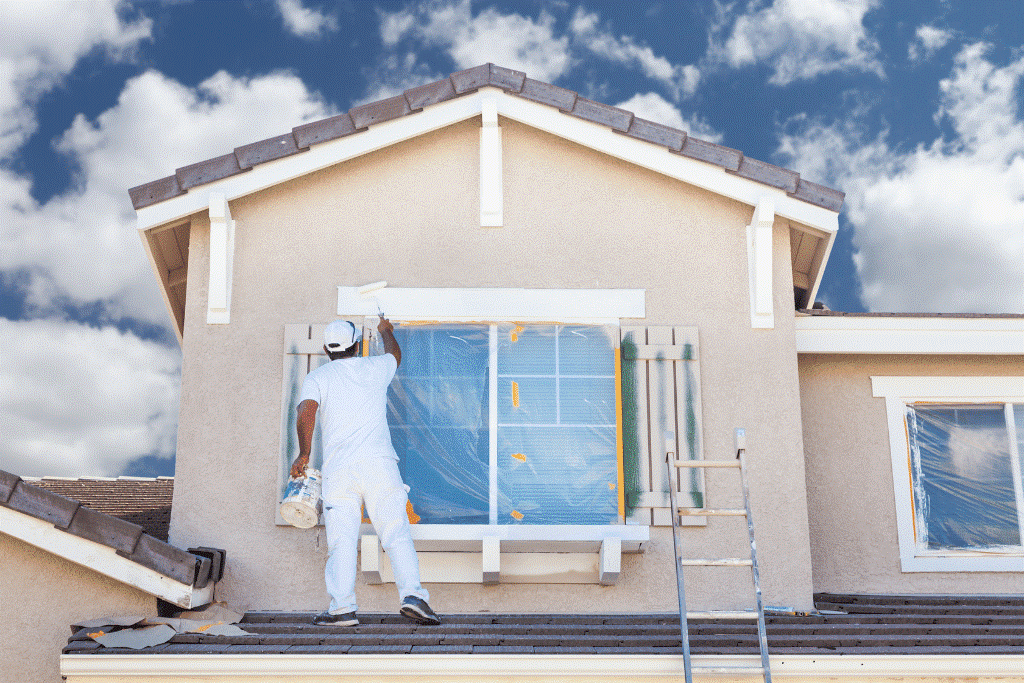
How to Choose the Right Exterior Paint for Florida Homes
When it comes to maintaining a beautiful home, the exterior paint is one of the most important elements. Not only does it define your home’s curb appeal, but it also protects your property from harsh weather conditions. In Florida, where homes face intense sun, high humidity, heavy rain, and occasional storms, choosing the right exterior paint is crucial. Selecting the right color, finish, and type of paint can ensure your home looks vibrant for years while providing essential protection.
Understanding Florida’s Climate Challenges
Florida’s unique climate poses several challenges for exterior paint:
- Intense Sunlight: Prolonged exposure to UV rays can fade colors and cause paint to peel or chalk over time.
- High Humidity: Moisture can lead to mold, mildew, and blistering if the paint is not designed for humid environments.
- Frequent Rainstorms: Heavy rain and storms can damage surfaces that aren’t properly sealed or painted with durable coatings.
- Salt Air (Coastal Areas): Homes near the coast face salt exposure, which can accelerate corrosion and paint deterioration.
Because of these factors, not all exterior paints are suitable for Florida homes. Homeowners should consult a professional painting contractor and prioritize high-quality, weather-resistant paints specifically designed for these challenging conditions.
Types of Exterior Paint
Choosing the right type of paint is essential for durability and aesthetics. Here are the most common options for Florida homes:
- Acrylic Latex Paint: Highly durable, flexible, and resistant to cracking, acrylic latex paint is ideal for Florida homes. It handles UV exposure, heat, and humidity better than many other paints.
- Elastomeric Paint: This type of paint is thick and highly flexible, making it perfect for sealing hairline cracks and providing superior waterproofing. Elastomeric coatings are excellent for areas prone to heavy rain.
- Oil-Based Paint: Less commonly used today, oil-based paints provide a smooth finish but are more prone to yellowing and cracking in humid conditions. They may still be suitable for trim or metal surfaces.
Professional exterior painters in Florida often recommend acrylic latex or elastomeric paints due to their resilience in the state’s climate.
Choosing the Right Finish
Exterior paint comes in a variety of finishes, each affecting both the appearance and performance of your home’s surfaces:
- Flat/Matte: Offers a smooth, non-reflective finish but is less resistant to dirt and moisture. Good for hiding imperfections.
- Satin/Eggshell: Slightly glossy and more durable, this finish is easier to clean and works well on walls and siding.
- Semi-Gloss/Gloss: Highly reflective and easy to clean, ideal for doors, trim, and shutters. Gloss finishes can highlight imperfections, so prep work is essential.
For Florida homes, satin or semi-gloss finishes are often preferred because they balance aesthetic appeal, durability, and ease of maintenance.
Color Selection Tips
Selecting the right color isn’t just about personal preference—it also affects your home’s temperature, curb appeal, and resale value:
- Light Colors: Reflect sunlight and help keep your home cooler in Florida’s hot climate. Shades of white, beige, and pastel tones are popular for coastal homes.
- Dark Colors: Absorb heat and may fade faster under intense sun exposure, but they can create a bold and modern aesthetic. Choose UV-resistant formulas if using darker colors.
- Neighborhood Considerations: Pay attention to your community’s style and regulations. Harmonizing with neighboring homes can enhance property value.
- Trim and Accent Colors: Complement your main color with contrasting trim or shutters for visual interest and curb appeal.
Professional painters can provide color samples and mock-ups to help you visualize the final result before committing.
Prep Work and Surface Protection
Even the best paint won’t perform well if the surface isn’t properly prepared. Proper prep work is essential for long-lasting results:
- Clean Surfaces: Remove dirt, mildew, and chalk using a pressure washer or specialized cleaning solutions.
- Repair Damage: Fill cracks, replace rotten wood, and repair stucco or siding damage.
- Priming: Use a high-quality primer to ensure paint adheres well and provides extra protection against moisture and UV rays.
In Florida’s humid climate, skipping prep work can lead to peeling, blistering, and premature fading. Professional painters can ensure every step is done correctly.
Maintenance Tips
Even with the right paint, regular maintenance extends the life of your exterior:
- Inspect Annually: Check for cracks, peeling, or mildew growth.
- Clean Surfaces: Wash the exterior every few years to remove dirt and prevent mold.
- Touch-Ups: Address small imperfections promptly to prevent larger damage.
Routine care can keep your home looking fresh and vibrant for a decade or more.
Conclusion
Choosing the right exterior paint for Florida homes requires careful consideration of climate, paint type, finish, and color. From UV-resistant acrylic latex paints to flexible elastomeric coatings, homeowners have several options to protect and beautify their property. Proper preparation, professional application, and ongoing maintenance ensure a long-lasting, visually appealing exterior.
Investing in high-quality exterior paint is more than a cosmetic choice—it’s a crucial home improvement that preserves your home, enhances curb appeal, and increases property value. By selecting the right paint and working with experienced professionals, Florida homeowners can enjoy a stunning exterior that withstands the state’s unique environmental challenges for years to come.


