The Importance of Flexibility in Modern Workspace Design
Offices have changed a fair bit over the years. The old picture of rows of fixed desks, stiff chairs, and a kettle that somehow always smelled faintly of burnt tea just does not fit how people work now. Teams shift. Business needs change. Some days call for head-down focus, other days need quick chats, screens shared, coffee in hand, with a bit of movement thrown in for good measure.
That is where flexibility steps in. Not the flashy kind that gets written about in glossy brochures, but the practical sort that quietly makes a workplace easier to use, easier to grow with, and far less annoying on a Monday morning.
Why flexible workspace design matters
A modern office has to do more than look neat for visitors. It needs to support different ways of working without turning into a puzzle every time the team grows, shrinks, or shifts direction. Flexibility in design gives a business room to breathe.
One week, a team might need open collaborative space. The next, they may need quiet corners for client calls, private meetings, or deep work that does not involve five people talking over each other about printer settings. A rigid layout makes that awkward. A flexible one keeps things moving.
In Australia, where many businesses are juggling hybrid work, changing staffing levels, and the need to make every square metre earn its keep, flexible design is not a luxury. It is a smart response to how work actually happens.
Spaces that can shift with the day
Some offices feel trapped in one mode. Everything is fixed, and every change needs a small miracle and a maintenance ticket. A flexible workspace takes a different approach. It uses elements that can move, adapt, or serve more than one purpose.
Movable furniture
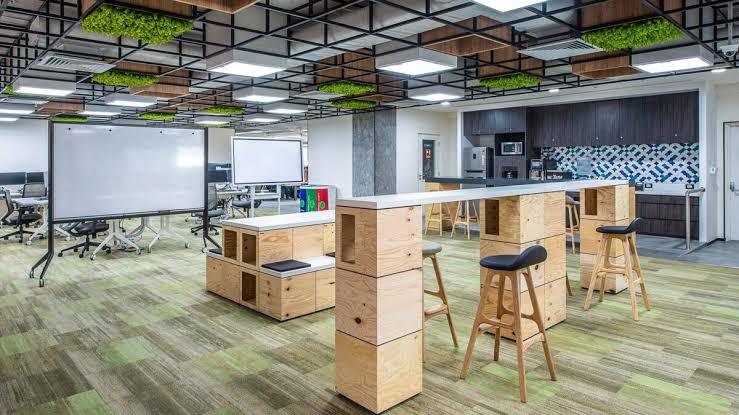
Tables on castors, lightweight chairs, modular seating, and mobile storage units make life easier than people expect. One minute the room is set up for a team workshop, and half an hour later it is ready for a client presentation. No drama, no heavy lifting, and no awkward silence while three people try to drag a table across the floor without scratching it.
Multi-use rooms
A meeting room does not have to be just a meeting room. With sensible planning, it can double as a breakout area, training space, or a place for quiet work when needed. That kind of flexibility gives more value from the same footprint, which matters a great deal when commercial space in cities such as Sydney does not come cheap.
For businesses looking at growth, fit-outs and layout planning often become part of a bigger conversation about how to future-proof the office. That is where a commercial builder in Sydney can play a practical role, helping turn a flexible design idea into something solid, usable, and built for the long haul.
Why employees notice the difference
People tend to work better when their surroundings make sense. It sounds obvious, yet plenty of offices still ignore it. A flexible workplace can improve comfort, focus, and even the general mood of a team. And frankly, nobody enjoys spending eight hours in a space that feels like it was designed by someone who has never taken a phone call or needed a quiet corner.
Employees value choice. Some want a place to collaborate, others want silence, and many need a bit of both during the day. If a workspace supports different working styles, people usually feel more settled. That can lead to better productivity, fewer distractions, and less of that creeping frustration that builds when a space simply is not working.
There is also a subtle morale boost in being able to adapt the environment to the task. It gives people a sense that the workplace is not fighting them every step of the way. That matters more than most office owners realise.
Future growth without the headaches
Businesses rarely stay the same for long. Staff numbers change. Teams expand. Projects come and go. A company that starts with ten people may need space for twenty before long. A flexible office layout makes those transitions much easier.
Instead of knocking down walls every time the business moves up a gear, flexible design allows smaller changes to do the heavy lifting. Partitions can be repositioned. Furniture can be rearranged. Shared spaces can be adjusted. It saves time, money, and a fair bit of stress.
That kind of adaptability is especially useful for growing companies in Australian cities and regional hubs alike. A business in Melbourne might need a smart inner-city fit-out, while one in Newcastle or the Gold Coast may want a layout that can support mixed use and changing team sizes. The core idea stays the same. Build for change, not just for day one.
Making the most of natural light and open areas
Flexibility is not only about furniture and walls. It also shapes how light, movement, and atmosphere work in a space. Open areas can feel fresh and welcoming, but they need to be balanced properly. Too open, and the office becomes noisy. Too boxed in, and it feels gloomy.
A well-thought-out design uses natural light where possible and creates zones that support different moods and tasks. That might mean softer breakout areas near windows, enclosed spaces for concentration, or shared zones that make casual conversation feel easy rather than intrusive. Small touches like this can change the whole feel of a workplace.
Acoustics matter more than people think
It is easy to focus on the look of a workplace and forget the sound of it. Yet noise is one of the quickest ways to make an office tiring. Flexible design often includes acoustic panels, soft furnishings, zoning, and smart separation between busy and quiet areas. That way, a team can chat without turning the entire floor into a public square.
Designing for technology and hybrid work
Modern work is tied closely to technology, which means the office has to support it properly. Flexible workspaces need reliable power access, good internet, screens that can be shared quickly, and meeting areas that work well for both in-person and remote participants.
Hybrid work has changed expectations. People now expect meetings to start without a tangle of cables, and video calls should not sound like they are coming from the bottom of a well. Flexible design helps by making tech integration part of the layout, not an afterthought squeezed in once the paint has dried.
That kind of planning can spare a business from a lot of future annoyance. Nobody wants to discover, after the fit-out is done, that half the team is leaning over a power board like it is a national monument.
The practical side of flexibility
There is a romantic side to office design that gets plenty of attention, yet practical details matter just as much. Flexible workspaces are usually easier to maintain, easier to clean, and easier to adjust over time. They can also support better use of floor space, which is handy when commercial rent and operating costs keep everyone honest.
Businesses also gain more control. If a company wants to test a new team structure, host an event, or bring in extra staff for a short period, a flexible layout makes that possible without a major upheaval. That kind of readiness can be a quiet advantage, especially in competitive markets.
A workplace that keeps pace
Modern workspace design is not about chasing trends for the sake of it. It is about making a space that works now and still makes sense later. Flexibility gives an office that staying power. It lets people work in different ways, supports growth, and makes the environment feel more human.
For Australian businesses, especially those balancing change and cost, that flexibility has real value. A workplace that can shift with the business is not just convenient. It is sensible, resilient, and a lot less likely to become obsolete the moment things get busy.
And if the office can avoid becoming a source of daily grumbles, that is a win worth having.