The Importance of UV Protection in Herbal Product Packaging
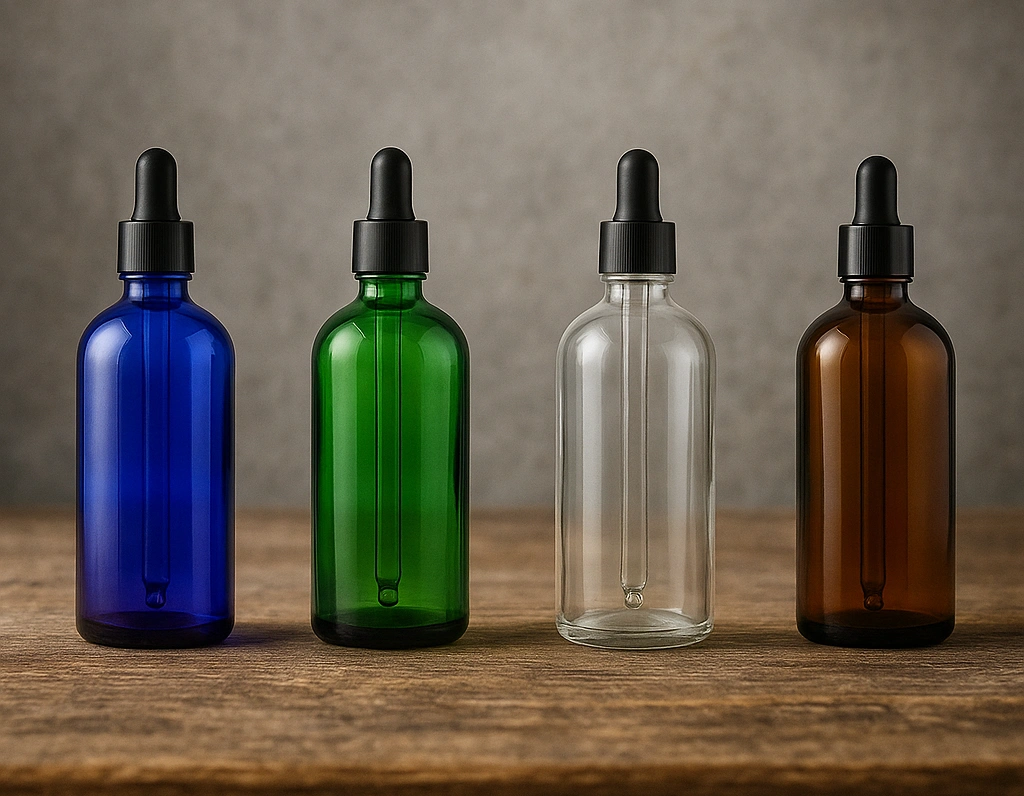
When exploring the nuances of natural health product design, one cannot overlook the role of proper packaging, particularly when it involves protection from ultraviolet (UV) radiation. Exposure to UV light is known to degrade the quality of herbal and natural products by causing deterioration of active ingredients, which can result in reduced efficacy and shelf life. Many companies, such as Techpack in Australia, recognize the necessity of UV protection in packaging these sensitive products.
Understanding UV Radiation and Its Impact
UV radiation is a form of electromagnetic radiation that comes primarily from the sun and artificial sources such as tanning beds. It is capable of inducing chemical reactions in certain compounds, which can lead to their breakdown. For herbal products, which often rely on the potency of naturally occurring compounds, this breakdown can significantly affect their effectiveness.
The Science Behind UV Protection in Packaging
The role of packaging is not just to contain the product but also to protect it from environmental factors. In the case of herbal products, UV protection ensures that the compounds remain stable. Packaging materials that block or filter UV rays help to preserve the integrity and potency of the contents.
Materials such as glass with specific UV-blocking properties are commonly used in the packaging of these products. Miron violet glass bottles are designed to offer this precise kind of protection. These bottles block the full spectrum of visible light except for violet, which has been shown to protect and even enhance the quality of products within.
Benefits of Using UV-Protective Packaging
There are multiple benefits to using UV-protective packaging for herbal products. Primarily, it extends the shelf life of the product by maintaining the stability of its active ingredients. It can also enhance the aesthetic appeal of the packaging, providing a premium look that resonates with environmentally conscious consumers.
Furthermore, as consumers increasingly seek sustainability in their product choices, using UV-protective packaging aligns with these values. Amber wide neck jars, for instance, provide a sustainable and visually appealing option that offers excellent UV protection. They are known for their robustness and convenience, making them suitable for various applications in herbal product packaging.
Types of UV-Protective Packaging Materials
A variety of materials are used to provide UV protection for herbal products. As mentioned, glass, especially versions that are treated to enhance UV blocking, is a popular choice. Plastics, particularly those with additives that increase UV protection, are also used.
Moreover, innovations in material science have led to the development of coatings that can be applied to standard packaging materials to upgrade their UV protective capabilities. These coatings not only improve protection but can also be designed to be eco-friendly, further reinforcing the environmental credentials of the product whose packaging they comprise.
Considerations for Choosing UV-Protective Packaging
When choosing UV-protective packaging, manufacturers must consider several factors. These include the nature of the product, the intended shelf life, and the distribution channels. Additionally, the cost implications of using advanced materials or coatings need to be taken into account, balanced against the potential increased value due to longer shelf life and enhanced consumer appeal.
Environmental Impact and Sustainability
As previously highlighted, the environmental impact of packaging is a growing concern. Opting for materials such as Amber wide neck jars not only offers UV protection but also contributes to the sustainability of the packaging process. These jars are typically reusable and recyclable, aligning with the global push towards reducing plastic waste.
Future Trends in Herbal Product Packaging
Looking ahead, the future of herbal product packaging is likely to see increased use of intelligent packaging systems. These sophisticated solutions could include sensors or indicators that monitor the exposure of the product to changes in light levels, enabling real-time quality assurance and management.
Additionally, as consumer awareness grows, there may be a rise in demand for fully biodegradable or compostable packaging options that still provide essential protection against UV radiation. Such trends would support the dual goals of quality retention and environmental responsibility.
Conclusion: The Way Forward
In conclusion, the importance of UV protection in herbal product packaging cannot be overstated. It plays a critical role in the preservation of product quality and consumer safety. By choosing appropriate packaging solutions that offer UV protection, manufacturers can ensure sustained product efficacy while aligning with consumer preferences for sustainability. Companies like Techpack Pty Ltd are at the forefront of such innovations, providing options that satisfy both functional and environmental criteria in natural health product design.