The Role of Custom Homes in Community Development
Key Takeaways
- Custom homes can drive local economic growth by creating jobs and increasing property values.
- They offer opportunities for sustainable development and innovative design.
- Custom-built residences can enhance community aesthetics and cohesion.
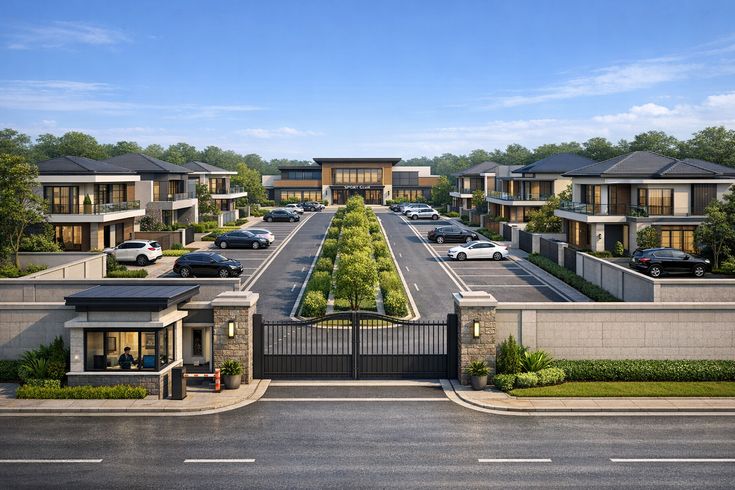
Custom homes are more than personalized living spaces; they play a pivotal role in shaping and enhancing community development. By meeting individual preferences and blending seamlessly into established neighborhoods, custom residential construction contributes to the social and economic infrastructure that supports a thriving community environment. Custom-built homes offer residents the freedom to express their unique lifestyles while uplifting the broader community with fresh design approaches and thoughtful integration.
From rural to suburban and urban settings, the practice of building custom homes stimulates local economies, advances sustainability, and brings architectural diversity that sets neighborhoods apart. These innovations enhance both the visual identity and the everyday experience of those who call these areas home, reinforcing the value and appeal of custom construction within the larger context of community growth.
Economic Impact of Custom Homes
Custom home development significantly boosts local economic growth by creating jobs across various sectors, including architecture and skilled trades. It increases demand for locally sourced materials and services, positively impacting nearby businesses. Strategic residential projects can revitalize underdeveloped areas by introducing new amenities and supporting economic vitality.
Additionally, new homeowners contribute to local businesses such as furniture stores, landscaping companies, and retail shops, thereby enhancing the vibrancy of the marketplace. Custom housing developments also attract essential services, such as schools and medical offices, which improve community living standards and opportunities.
Enhancing Community Aesthetics
Custom-built homes play a significant role in shaping a neighborhood’s visual identity. Unlike uniform production developments, custom designs introduce diversity and creativity, enhancing the individual character that appeals to both residents and prospective buyers.
Additionally, the benefits of custom construction extend to public spaces by promoting landscaping that reflects natural features and incorporating architectural elements inspired by history.
Such thoughtful designs foster stronger community connections, as homes represent the personalities and values of their residents. Over time, these well-designed neighborhoods not only maintain their appeal but can also benefit from lasting value through timeless character and curb appeal. For homeowners looking to bring this vision to life, https://luidevelopments.com/
Promoting Sustainable Development
Modern custom home builders are prioritizing sustainability by incorporating energy-efficient features and eco-friendly materials, thereby reducing homes’ ecological footprint and setting precedents for future developments. Communities like Babcock Ranch in Florida exemplify this focus, achieving impressive sales and national recognition. Sustainable building practices not only help residents but also support broader goals for efficient housing.
Innovations such as passive solar orientation, renewable energy integration, and water-saving appliances are becoming common among custom builders. These features lower utility bills and help neighborhoods adapt to evolving environmental standards. As homeowners increasingly prioritize ecological responsibility, green homes become attractive community assets, drawing in residents who value sustainable living.
Fostering Community Cohesion
Well-designed custom homes can enhance a strong sense of community by incorporating gathering spaces, shared gardens, and recreational facilities within developments. These amenities promote regular interactions among neighbors and help establish connections and a shared purpose. In communities like Oakbend in Wellen Park, thoughtful planning provides not only private comforts but also public spaces that facilitate multigenerational living and neighborhood events, reinforcing the area’s social fabric and resilience.
Moreover, custom neighborhoods that prioritize walkability, communal green spaces, and accessible amenities encourage a lifestyle focused on health and well-being. Such developments are more likely to host community events, farmers’ markets, and seasonal festivals, all of which bring residents together. This shared identity and mutual engagement contribute to safer, more supportive neighborhoods where long-term relationships and civic pride can thrive.
Addressing Housing Affordability
While the concept of custom homes often evokes images of luxury properties, customization does not have to cost a lot. Builders across the country are increasingly working within various budgetary frameworks to deliver homes that are both personalized and attainable.
Initiatives involving public-private partnerships, land trusts, or affordable housing incentives often leverage the talents of custom builders to deliver practical, attractive residences that meet the needs of working families and first-time buyers. As more municipalities recognize the value of mixed-income neighborhoods, custom home builders are playing a critical role in designing affordable, durable, and appealing homes that help stabilize communities and counterbalance rising property prices.
Challenges and Considerations
Custom homes offer numerous benefits but also present challenges. They often take longer and cost more than standard projects, making careful planning and budgeting essential. It’s important for these homes to align with zoning regulations and community planning to maintain neighborhood character. Successful outcomes require collaboration among homebuyers, builders, and local officials.
Additionally, ongoing maintenance and governance of shared spaces are crucial. Clear user agreements and effective homeowner’s associations help ensure the long-term viability of new developments. Thorough initial planning and consistent engagement are vital to avoiding pitfalls and keeping neighborhoods desirable for future generations.
Conclusion
Custom homes are a dynamic force in community development, driving local economic activity, improving neighborhood aesthetics, supporting sustainability, and fostering social connections. As communities continue to evolve and grow, the careful integration of custom-built residences will remain a key factor in enhancing the prosperity, inclusivity, and vitality of neighborhoods everywhere.