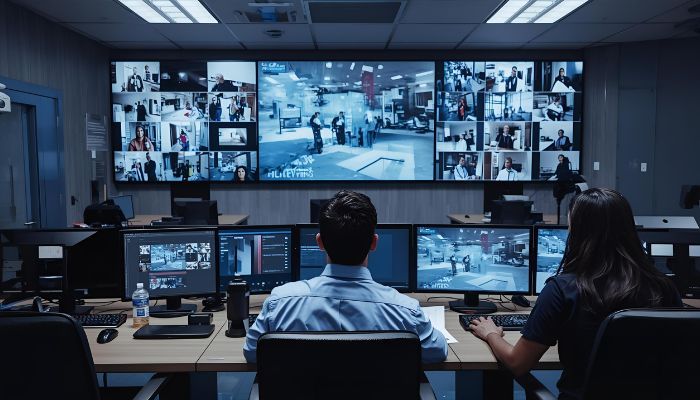
The Technology Behind Efficient Operations Is Often Invisible

When people think about technological innovation, they usually imagine software, artificial intelligence, or consumer devices. Rarely do they think about the physical systems that make industries run smoothly every day.
Yet, some of the most impactful innovations are happening in places that remain largely unnoticed. Warehouses, construction sites, and industrial facilities are constantly evolving, adopting smarter systems that improve efficiency, safety, and scalability.
These changes may not always be visible, but they are shaping how modern operations function at a fundamental level.
From Manual Processes to Smarter Systems
Industrial operations were once heavily dependent on manual labor and simple mechanical tools. While effective to a degree, these processes often created bottlenecks, increased safety risks, and limited scalability.
Today, technology is redefining how materials are handled, stored, and moved. Automation, better engineering, and system-based thinking are replacing fragmented workflows with more streamlined processes.
This shift is not just about speed. It is about consistency, predictability, and reducing the margin for error.
Why Efficiency Is the New Competitive Advantage
In modern industries, efficiency is no longer optional. It directly impacts profitability, timelines, and overall performance.
Businesses that can move materials faster, reduce waste, and maintain safer working environments gain a significant edge. This is especially important in sectors where even small delays can lead to larger operational issues.
As a result, companies are increasingly investing in solutions that improve how their internal systems function.
The Role of Equipment in Modern Tech Ecosystems
Technology is often associated with software, but in many industries, physical equipment plays an equally important role.
The tools used in daily operations are becoming more advanced, designed not only for durability but also for integration into larger systems.
This includes:
- equipment that improves workflow efficiency
- systems that reduce manual handling
- designs that enhance safety and reliability
These improvements may seem incremental, but over time they create a significant impact on overall performance.
Where Smart Design Meets Practical Functionality
One of the most interesting aspects of modern industrial innovation is how simple design improvements can lead to major operational gains.
Instead of overcomplicating systems, many solutions focus on doing one thing exceptionally well — making processes smoother and more predictable.
For example, in material handling environments, equipment like self-dumping hoppers allows for controlled, efficient disposal of materials without requiring constant manual intervention. By simplifying the unloading process, these systems help reduce labor strain, improve safety, and keep workflows moving without interruption.
This kind of practical innovation reflects a broader trend in industrial technology: solving real problems with straightforward, reliable solutions.
Integration Is Changing How Systems Work Together
Another important trend is integration.
Modern operations are no longer built around isolated tools. Instead, they rely on systems that work together seamlessly.
Equipment, processes, and digital tools are increasingly connected, allowing businesses to monitor performance, identify inefficiencies, and make adjustments in real time.
This interconnected approach transforms individual tools into part of a larger, more intelligent system.
Safety as a Core Component of Innovation
As industries evolve, safety is becoming a central focus of technological advancement.
Improved equipment design, better workflows, and smarter systems all contribute to reducing workplace risks. This is particularly important in environments where heavy materials and machinery are involved.
By minimizing manual handling and streamlining processes, modern systems help create safer working conditions while maintaining productivity.
Scaling Operations Without Increasing Complexity
One of the biggest challenges in industrial environments is scaling operations without introducing unnecessary complexity.
Adding more equipment or workers does not always lead to better results. In many cases, it creates more coordination challenges and increases the risk of inefficiencies.
The solution lies in smarter systems.
By optimizing how materials move and how processes are structured, businesses can scale their operations without adding unnecessary friction.
The Future of Industrial Technology
Looking ahead, the future of industrial technology will likely focus on further integration, smarter automation, and more efficient systems.
While advanced technologies like AI and IoT will continue to play a role, the importance of well-designed physical systems should not be overlooked.
In many cases, the most effective innovations are those that simplify processes rather than complicate them.
Conclusion
Technology is often defined by what we can see — screens, software, and digital interfaces. But behind the scenes, another layer of innovation is quietly transforming how industries operate.
From smarter workflows to better equipment design, these changes are making operations more efficient, scalable, and reliable.
As businesses continue to evolve, those that invest in both digital and physical systems will be best positioned to stay competitive in an increasingly demanding environment.