What San Francisco, California’s Streets Teach About Urban Robotaxis
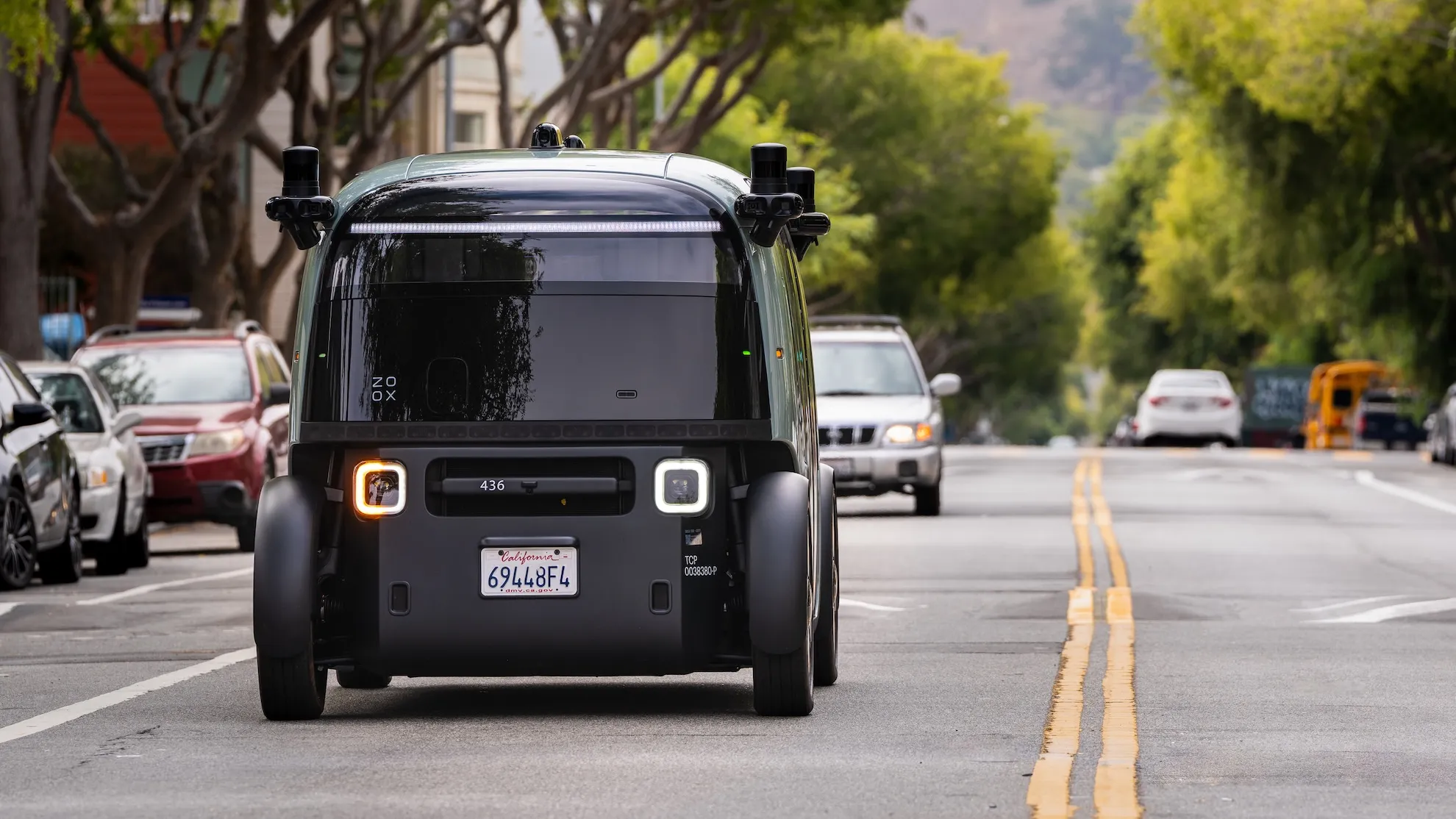
San Francisco is a demanding place to test any transportation service. Its hills, tight corners, cable-car corridors, delivery traffic, crowded sidewalks, fog, and fast-changing curb conditions create situations that cannot be reduced to a simple route between two points. A self-driving taxi in San Francisco, California, must navigate that daily complexity alongside people walking, cycling, riding Muni, driving, and working on the street.
That makes the city a useful case study for residents, visitors, planners, and anyone considering how autonomous rides may fit into urban life. The essential question is not whether a vehicle can complete a routine trip on a clear road. It is whether the service can respond predictably when the street becomes uncertain, crowded, or temporarily improvised.
Why San Francisco Is a Serious Test
Dense urban driving asks more of an autonomous system than a broad, predictable suburban boulevard. In San Francisco, a vehicle may crest a steep hill with limited sightlines, encounter a double-parked delivery van, yield to a cyclist, and approach a bus stop within a few blocks. Parked cars can conceal pedestrians, while narrow streets leave little room to pass safely or recover from a poor positioning decision.
Normal traffic is only part of the assignment. A service also has to deal with temporary detours, road work, utility crews, sporting crowds, police activity, and changing traffic control. Autonomous rides may add a useful mobility option, but they also raise practical questions about curb space, congestion, public communication, and coordination with the city.
The Street Challenges That Matter Most
Urban driving is a sequence of judgment calls, not merely a navigation exercise. The most consequential situations include:
- Steep grades and sharp turns: Hills reduce visibility and can complicate stopping, merging, and turning.
- Blocked lanes: Double-parked cars, trash collection, ride-hail pickups, and loading activity can force vehicles to make careful lane changes.
- Busy intersections: Unprotected turns require attention to oncoming traffic, crosswalk users, cyclists, and signal timing.
- Unpredictable movement: Pedestrians may cross outside a marked crosswalk, and scooters or bicycles may appear beside a vehicle.
- Temporary conditions: Construction signs, cones, lane shifts, fog, rain, glare, and low light can change what a vehicle must recognize.
The measure of a capable system is not simply whether it avoids contact. It must also make conservative, understandable choices without creating unnecessary blockage for everyone else using the road.
What Riders Notice Inside the Vehicle
Passengers tend to judge a trip through ordinary details. Was the pickup point easy to find? Did the vehicle brake smoothly? Were turns measured rather than abrupt? Could the rider understand what the vehicle was doing when it paused or changed course? Clear in-app instructions matter, especially for complicated blocks, where stopping in the wrong place can interfere with traffic or leave a rider searching for the vehicle.
Cabin design also shapes the experience. Visitors may value luggage space, phone charging, climate control, a quiet environment, and enough room to enter or exit without stepping into a bike lane. For a short trip between neighborhoods, a driverless ride may feel convenient. For a longer cross-city journey, rail or bus service may still be the more efficient choice, especially where transit offers a direct connection.
How Safety Is Measured in Real City Traffic
One calm ride, or one dramatic incident, cannot provide a complete safety assessment. A more useful review considers how often a vehicle needs assistance, whether it handles unclear lane markings and road obstructions appropriately, how much space it gives people walking or cycling, and how quickly it can clear a lane after a problem.
Public reporting matters too. The federal approach discussed at the National AV Safety Forum emphasizes safety oversight, reporting, and the challenge of developing meaningful performance measures for automated driving systems. For city residents, that translates into a straightforward expectation: operators and public agencies should be able to identify problems, explain their response, and improve operations over time.
Emergency Vehicles, Road Closures, and Major Events
Street conditions can change within minutes when fire crews arrive, police close a block, or thousands of people leave a concert or fireworks show at once. During San Francisco’s July 4, 2026, fireworks traffic disruption, reports of robotaxis caught in severe congestion underscored how a citywide surge in crowds can simultaneously complicate transit, road access, and vehicle operations.
The lesson is broader than one event. Operators need procedures for temporary service boundaries, road-closure updates, roadside response, and direct coordination with emergency personnel. A stopped autonomous vehicle is not merely a customer-service concern if it occupies a travel lane or blocks access near an incident.
Why City Infrastructure Still Matters
Smarter vehicles do not eliminate the need for well-managed streets. Clear lane markings, readable signs, functioning signals, protected crossings, and designated pickup areas help every road user, whether human-driven or automated. Digital sharing of construction and closure information can also reduce confusion before a vehicle reaches a disrupted block.
Curb management deserves special attention. When many vehicles attempt pickups near hotels, office buildings, nightlife districts, or transit stations, unmanaged stopping activity can slow buses, obstruct bike lanes, and create conflict at the edge of the roadway.
How Robotaxis Fit With Public Transit
Robotaxis, buses, trains, walking, and cycling solve different transportation problems. Private rides can be helpful for a late-night trip, a difficult first- or last-mile connection, or a passenger who needs a quieter, more direct journey. They are not a substitute for high-capacity transit on heavily traveled corridors, where a full bus or train can move many people without requiring each person to use separate curb space.
The strongest approach treats autonomous rides as one option in a connected network. That means planning for transfers, preserving space for buses and bicycles, and monitoring whether empty-vehicle repositioning or concentrated pickups add pressure to already-busy streets.
Accessibility and Comfort for Different Riders
Accessibility has to work in practice, not only in a product description. Riders may need wheelchair access, accommodation for service animals, visual or audio guidance, plain-language booking tools, and reliable support when something changes. Older adults, families with children, travelers carrying bags, and people using mobility equipment may all need more time and space at pickup and drop-off.
Often, the most important accessibility feature is clear information. A precisely described pickup point, an understandable route update, and an easy way to contact support can determine whether a trip feels independent or stressful.
Common Questions About Urban Robotaxis
Are robotaxis useful in a city with strong public transit?
They can be useful for service gaps, late-night travel, tight connections, or riders who need a private trip. Their value is greatest when they complement, rather than compete with, walking, cycling, buses, and rail.
What happens when a robotaxi encounters a closed road?
The response may involve onboard sensing, map updates, remote assistance, or a reroute. Riders should not assume every system will react identically, which is why clear instructions and responsive support are important.
Can robotaxis reduce traffic?
They could reduce some individual car trips if they are shared or replace parking-intensive travel. They could also add congestion if many vehicles travel empty between rides or cluster at popular destinations.
What San Francisco Can Teach Other Cities
San Francisco shows that urban autonomy is ultimately as much a street-management challenge as a vehicle-technology challenge. Reliable service depends on safe behavior around people, fast coordination during unusual events, accessible rider experiences, honest reporting, and infrastructure that works for everyone. Other cities can learn from that complexity: the future of mobility will not belong to one vehicle type. It will depend on how well new services fit the daily rhythm of streets, transit, neighborhoods, and public safety.