5 Features to Look for in HMI SCADA Software
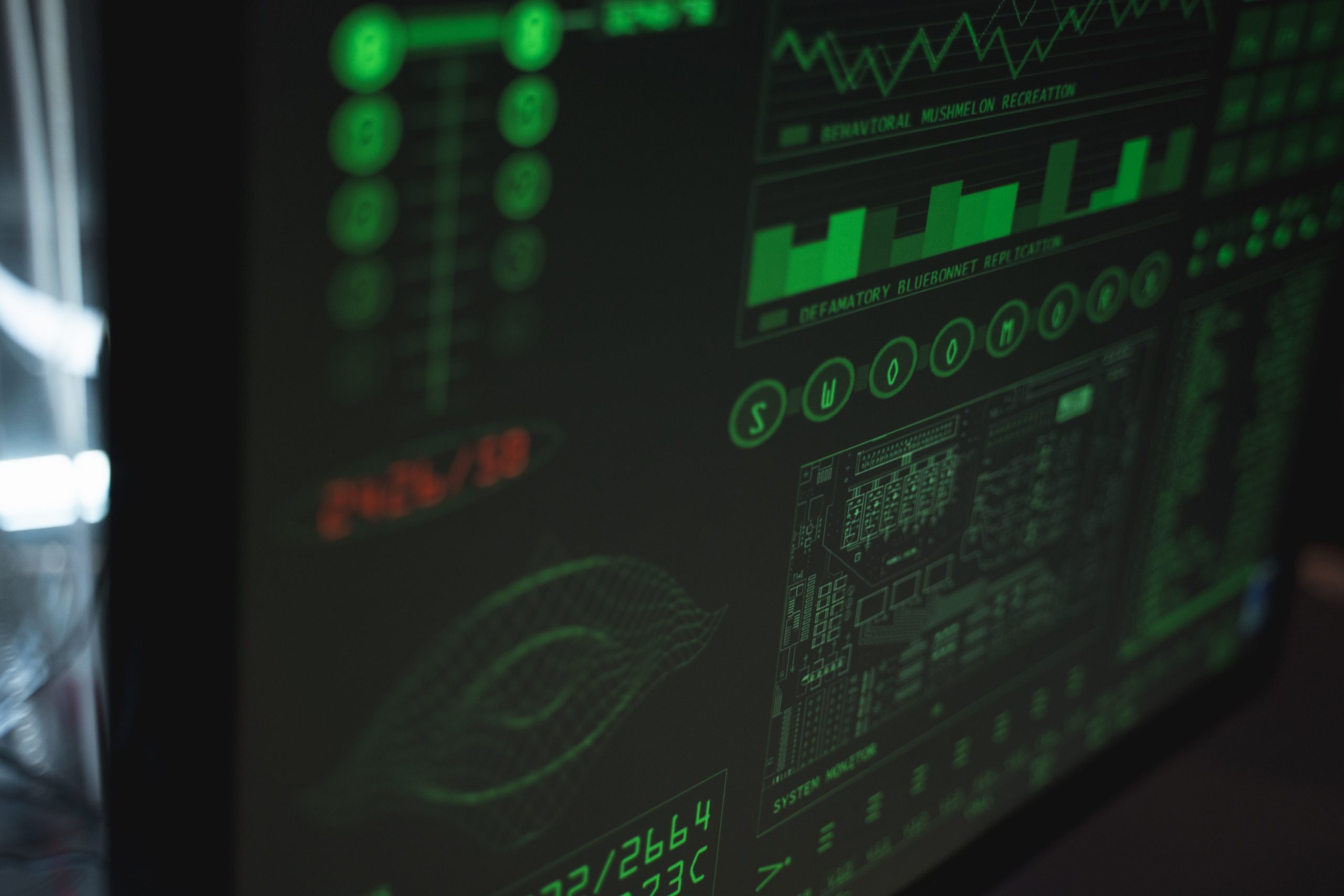
Industrial facilities depend on accurate data, efficient control systems, and real-time visibility to maintain productivity. As operations become more complex, choosing the right human-machine interface (HMI) and supervisory control and data acquisition (SCADA) solution is essential. The right software can help operators monitor processes, reduce downtime, and make informed decisions that improve overall performance.
When evaluating solutions, it is important to focus on features that support both current operational needs and future growth. Here are five key features to look for when selecting HMI SCADA software.
Real-Time Monitoring and Data Visualization
One of the most important functions of any HMI SCADA platform is the ability to provide real-time visibility into operations. Operators need instant access to process data, machine status, alarms, and performance indicators in order to respond quickly to changing conditions.
A strong visualization interface presents information through easy-to-read dashboards, graphs, and system diagrams. Clear visual displays help operators identify issues before they become major problems and improve overall situational awareness.
Organizations that can access and interpret live operational data are often better positioned to maintain productivity and reduce unnecessary delays.
Advanced Alarm Management
Effective alarm management is essential for maintaining safe and efficient operations. Industrial facilities generate large amounts of data, and without proper alarm controls, operators can become overwhelmed by excessive notifications.
Modern HMI SCADA software should offer intelligent alarm features that prioritize critical events, provide customizable alert settings, and maintain detailed alarm histories. These capabilities allow teams to focus on urgent issues while reducing alarm fatigue.
Advanced alarm management also improves troubleshooting by helping operators identify recurring problems and understand the sequence of events leading to equipment failures or process disruptions.
Scalability and Flexibility
Industrial operations often grow and evolve over time. A software solution that works well today should also be capable of supporting future expansion without requiring a complete system replacement.
Scalable HMI SCADA platforms allow businesses to add devices, sensors, production lines, and remote locations as operational needs increase. Flexible software architectures make it easier to integrate with existing equipment and accommodate future technology upgrades.
Selecting a scalable solution protects long-term investments and helps organizations avoid costly migrations as their systems expand.
Remote Access and Mobility
The ability to access operational data from anywhere has become increasingly valuable for industrial businesses. Remote monitoring capabilities allow managers, engineers, and maintenance personnel to stay informed even when they are not physically present at the facility.
Many modern HMI SCADA systems support secure access through web browsers, mobile devices, and cloud-connected environments. This allows users to review system performance, receive alerts, and respond to issues more quickly.
Remote access can improve operational efficiency, speed up decision-making, and support facilities that operate across multiple locations.
Data Collection and Reporting Tools
Industrial organizations generate significant amounts of operational data every day. The value of this information depends on how effectively it can be collected, analyzed, and turned into actionable insights.
A quality HMI SCADA platform should include robust data logging, historical trending, reporting, and analytics capabilities. These tools help businesses track performance, identify inefficiencies, monitor key metrics, and support regulatory compliance requirements.
Historical data analysis can also reveal patterns that contribute to predictive maintenance strategies, helping organizations reduce downtime and extend equipment life.
Conclusion
Choosing the right HMI SCADA solution can have a significant impact on operational efficiency, productivity, and long-term success. Features such as real-time monitoring, advanced alarm management, scalability, remote accessibility, and powerful reporting tools provide the foundation for a reliable industrial automation system.
By carefully evaluating these capabilities before making a decision, organizations can select a platform that meets current operational demands while supporting future growth and technological advancements.