Why AI Video Models Are Transforming Digital Content Creation
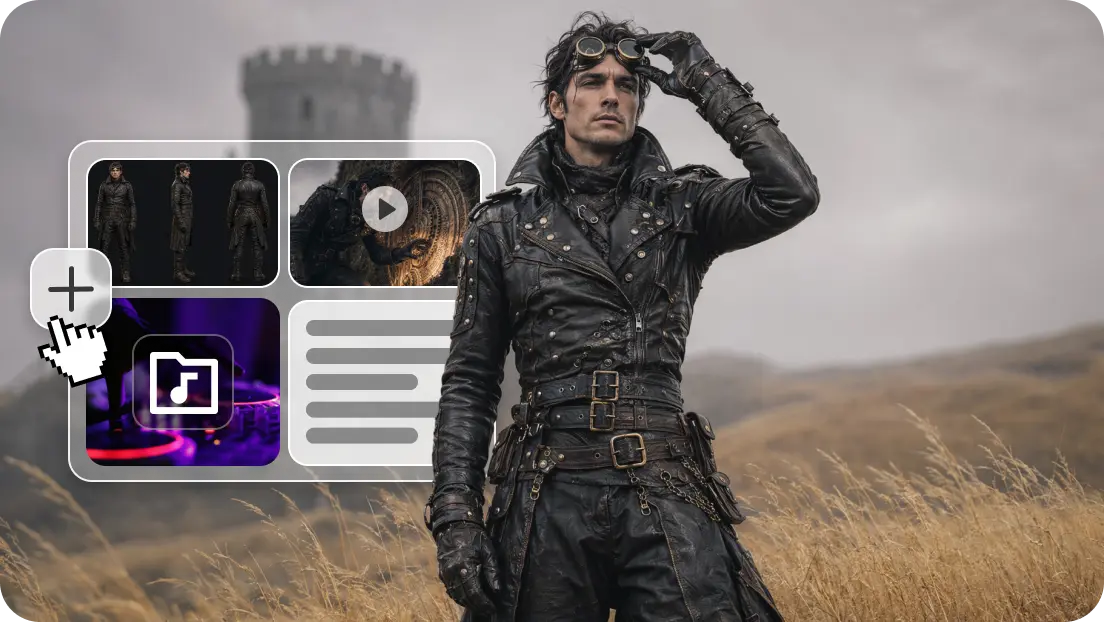
The demand for high-quality visual content has never been greater. From marketers and educators to content creators and entrepreneurs, everyone is looking for faster and more efficient ways to produce engaging videos. Artificial intelligence has stepped into this space with powerful video generation models that simplify the creative process while delivering impressive results.
One platform making this technology more accessible is Dreamina, helping users explore advanced AI-powered video generation tools without requiring extensive editing experience. As AI continues to evolve, newer video models are offering better motion consistency, stronger prompt understanding, and more realistic visual outputs than ever before.
The Rise of AI Video Generation
Traditional video production often requires expensive software, professional skills, and significant time investment. AI video models are changing that by allowing users to generate high-quality videos from simple text prompts or image inputs.
This shift enables creators to focus more on storytelling and creativity instead of spending countless hours on manual editing. Whether you’re producing social media content, promotional videos, educational materials, or concept animations, AI can dramatically reduce production time while maintaining professional quality.
Understanding Modern AI Video Models
Recent AI video models are designed to generate smoother motion, improved character consistency, and more cinematic scenes. These advancements make AI-generated videos suitable for a wider variety of creative and commercial applications.
Instead of producing short clips with inconsistent movements, modern models can better interpret prompts, preserve object identity, and create visually coherent sequences. This opens new opportunities for creators who need reliable and scalable video production.
Exploring Seedance 2.0
One of the most notable developments in AI video generation is Seedance 2.0. This model introduces several improvements in motion quality, scene composition, and prompt accuracy.
Some key advantages include:
- Better understanding of detailed text prompts.
- More natural object and character movement.
- Improved visual consistency across generated frames.
- Enhanced cinematic transitions and camera effects.
- Faster content generation for creative workflows.
These features make it a valuable option for creators who want professional-looking results without complicated production processes.
Where AI Video Generation Delivers the Most Business Value
AI video technology is becoming a practical tool for organizations that need to communicate ideas, educate audiences, and present products in a more engaging way. Instead of replacing creativity, it helps professionals produce visual content faster and adapt it for different audiences and platforms.
Customer Education and Support
Businesses can create step-by-step tutorials, troubleshooting guides, onboarding videos, and frequently asked question explainers that help customers solve problems independently. Visual instructions are often easier to follow than lengthy documentation, leading to a smoother user experience and reduced support workload.
Training and Knowledge Transfer
Organizations can turn manuals, presentations, and standard operating procedures into engaging video lessons for employees. Whether used for onboarding new hires, teaching workplace safety, or sharing technical knowledge across departments, AI-generated videos make learning more accessible and easier to remember.
Product Discovery and Buyer Guidance
Retailers and software companies can produce comparison videos, feature walkthroughs, and use-case demonstrations that help potential customers evaluate different options. These videos answer common purchasing questions and provide a clearer understanding of how a product performs in real-world situations.
Community Building and Audience Engagement
Creators, brands, and online communities can transform articles, newsletters, podcasts, and announcements into short visual stories designed for digital platforms. This approach encourages higher engagement, stronger audience interaction, and broader content reach across multiple channels.
Creative Development and Concept Visualization
Designers, filmmakers, advertisers, and creative teams can rapidly explore visual styles, storyboard ideas, campaign concepts, and scene variations before committing to expensive production. AI video generation provides a flexible environment for experimentation, allowing teams to refine creative direction, gather feedback, and test multiple approaches during the early stages of a project.
Moving Beyond Earlier Models
AI technology evolves rapidly, and each new generation brings noticeable improvements. After the success of earlier versions, developers introduced Seedance 2.5, offering refined motion generation, stronger visual realism, and improved prompt interpretation.
These enhancements help creators produce videos that require fewer revisions while maintaining higher visual quality. Better temporal consistency also reduces flickering and unnatural transitions that were common in older AI video systems.
Best Practices for AI Video Generation
To achieve better results, creators should follow several practical guidelines:
- Write detailed and descriptive prompts.
- Clearly specify camera angles and movements.
- Define lighting conditions and artistic style.
- Keep scene descriptions logically organized.
- Experiment with multiple prompt variations.
- Review and refine outputs for the best results.
Even small prompt adjustments can significantly improve the final video quality.
The Future of AI Video Creation
Artificial intelligence is expected to become an essential part of digital content production. As models continue improving, creators will gain access to even more realistic animations, longer video generation, and better storytelling capabilities.
Businesses will benefit from faster production cycles, while independent creators will have access to professional-level tools without large budgets. AI will not replace creativity—it will amplify it by removing technical barriers and allowing ideas to be transformed into compelling visual content more efficiently.
Conclusion
AI video generation is redefining how digital content is created. Advanced models now provide realistic motion, improved scene consistency, and faster production, making them valuable for marketers, educators, businesses, and creators alike.
As these technologies continue evolving, adopting modern AI video tools can help individuals and organizations produce engaging visual content with greater speed, efficiency, and creative flexibility.
FAQs
1. What is AI video generation?
AI video generation uses artificial intelligence to create videos from text prompts or images, reducing the need for traditional video editing and production.
2. Who can benefit from AI video models?
Content creators, marketers, educators, businesses, designers, and filmmakers can all use AI video models to create engaging visual content more efficiently.
3. Are AI-generated videos suitable for commercial use?
Many AI-generated videos can be used commercially, depending on the licensing terms of the platform being used. Users should always review the applicable usage policies.
4. How can I improve the quality of AI-generated videos?
Providing detailed prompts, specifying visual styles, describing camera movements, and refining prompts through multiple iterations generally leads to better results.
5. Why are newer AI video models considered better?
Newer models offer improved motion consistency, stronger prompt understanding, enhanced visual realism, and more coherent scene generation, resulting in higher-quality video outputs.