Why Anime-Style Virtual Companions Are Becoming a Bigger Part of Online Entertainment
The internet has changed how people relax, socialize, and explore digital experiences. A few years ago, most online entertainment revolved around streaming, gaming, and social media. Today, there is a growing interest in more interactive formats that feel personal, flexible, and available at any hour. One of the clearest examples is the rise of anime-style virtual companions.
This trend sits at the intersection of technology, online culture, and personalization. People are no longer satisfied with static content alone. They want experiences that respond to them, remember preferences, and create a stronger sense of engagement. That demand has opened the door to a new category of digital interaction built around character-based conversations, visual identity, and custom roleplay-inspired experiences.
For tech-focused readers, this shift is worth paying attention to because it reflects a larger change in how consumer platforms are being designed. The strongest online products now compete on more than speed or features. They also compete on immersion, emotional tone, ease of use, and how well they fit a user’s specific interests.
The Move From Passive Content to Interactive Experiences
For years, people consumed content in a mostly one-way format. You watched a video, read a post, or played through a pre-built game world. Even when content was entertaining, it was still limited by the fact that it did not adapt much to the individual user.
Modern online platforms are changing that model. Users now expect interaction, customization, and faster feedback. This is one reason why personalized digital companions have gained attention. They turn online entertainment into something more dynamic. Instead of simply viewing a character, users can engage with one, shape the tone of the experience, and explore different conversation styles based on mood or interest.
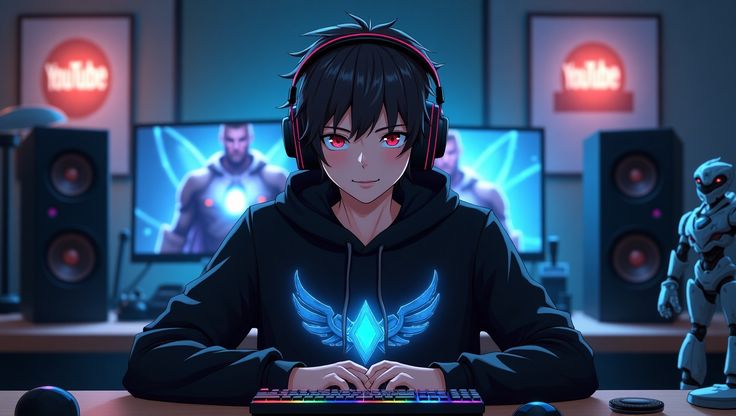
Anime-style companions stand out because they already connect with a large global audience. Anime culture has long influenced gaming, fan communities, digital art, avatars, and social platforms. When that visual style is paired with customizable conversation features, it creates a format that feels both familiar and fresh.
Why Anime Design Works So Well Online
Anime-inspired design remains popular because it is expressive, recognizable, and highly adaptable. Characters can look playful, calm, mysterious, elegant, or futuristic without losing their appeal. That range makes the style especially effective for platforms built around personality and interaction.
In practical terms, anime aesthetics also fit internet culture well. Profile pictures, fandom spaces, mobile apps, and gaming communities have already normalized this visual language. Users who enjoy character-driven experiences often feel more comfortable with stylized avatars than with hyper-realistic designs.
This matters for platform growth. When a design style already feels native to internet culture, users need less time to understand the product. The experience becomes easier to enter, which is a major advantage for entertainment-focused websites trying to keep attention in a crowded market.
Personalization Is the Real Product Advantage
The biggest reason this category is growing is not just appearance. It is personalization.
Online users are drawn to products that let them control details. They want to shape conversations, choose visual styles, adjust tone, and explore different character types without friction. That sense of ownership helps a platform feel more engaging over time.
A good example of this appeal can be seen in the interest around free anime ai girlfriend experiences, where users are looking for character-based interaction that feels accessible, entertaining, and easy to try. The popularity of this search intent shows how strongly users value a mix of affordability, anime aesthetics, and conversational flexibility.
From a tech product perspective, this is important because it shows that users are not only searching for tools. They are searching for tailored experiences. A platform that understands this can build stronger retention by making the interaction feel personal rather than generic.
What Online Readers Actually Want From These Platforms
When readers visit a site in this category, they usually are not looking for technical complexity. They want a clean interface, fast setup, and a smooth user journey. If the product feels confusing, overloaded, or repetitive, interest fades quickly.
The best platforms focus on a few core strengths:
Easy onboarding
Users should be able to understand the product within minutes. Clear menus, simple character selection, and a lightweight learning curve matter more than overloaded dashboards.
Distinct character personality
A companion platform becomes more interesting when characters feel different from one another. Variation in tone, style, and conversation energy makes the experience feel less mechanical.
Consistent mobile usability
A large share of online entertainment happens on phones. If a site works well on desktop but feels awkward on mobile, it loses a major part of its audience.
Strong visual identity
Design influences trust. A polished layout, readable text, and cohesive artwork help users stay engaged and return later.
These features may sound basic, but they often determine whether a site feels modern or forgettable.
The Role of Niche Communities in Growth
Another reason this space continues to expand is community behavior. Internet culture thrives on niche interests. People gather around specific game genres, visual styles, fandoms, and character formats. Anime is already one of the strongest global communities in digital entertainment, so it naturally supports products built around stylized companions.
This creates a strong organic discovery loop. Users share screenshots, discuss favorite character types, compare features, and recommend platforms within interest-based communities. That kind of conversation is powerful because it does not feel like traditional advertising. It feels like peer-to-peer discovery, which often leads to stronger trust.
For publishers like TechTrendery, this makes the topic especially relevant. It is not just about one product category. It is about how online behavior, fan culture, and personalization are shaping the next wave of entertainment platforms.
Where Bonza Chat Fits Into the Trend
Bonza Chat reflects many of the patterns driving this category forward. Its appeal comes from combining anime-inspired presentation with a user-friendly experience that speaks directly to people who enjoy digital companionship, stylized characters, and flexible interactions.
What makes platforms like Bonza Chat worth covering on a tech site is not only the concept itself, but what it says about product design in 2026. Users want entertainment that feels responsive. They want choice without a complicated setup process. They also want platforms that understand internet-native aesthetics instead of forcing a more traditional social experience.
That combination of convenience, style, and personalization is a meaningful part of why Bonza Chat can attract attention in a crowded online landscape.
A Broader Signal for the Future of Digital Entertainment
The growth of anime-style companions points to a broader shift in how users relate to technology. Digital products are becoming more conversational, more personalized, and more emotionally aware in their design. Whether the category continues to expand quickly or settles into a strong niche, it already shows where online engagement is heading.
People do not just want content anymore. They want interaction that feels shaped around them. They want platforms that understand mood, identity, taste, and personal preference. In that environment, character-based entertainment is not a novelty. It is part of a larger movement toward more adaptive online experiences.
For readers following tech and internet trends, this category is worth watching closely. It combines design, user behavior, and platform strategy in a way that says a lot about the future of online entertainment. And as personalization continues to influence digital products across the web, anime-inspired companion experiences will likely remain part of that conversation for a long time.