Why Thai skiers are looking past Niseko
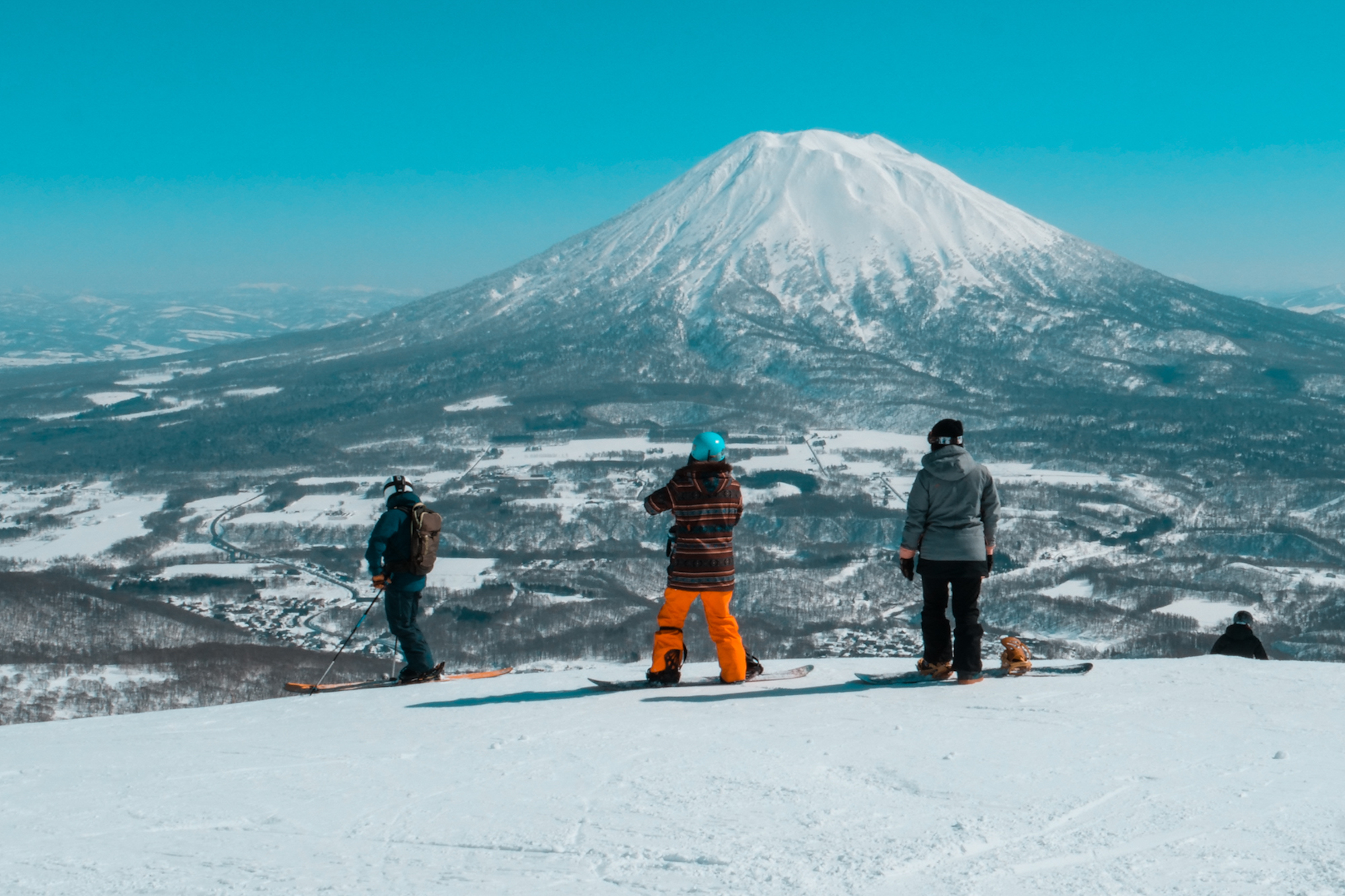
Niseko was the first Japanese ski destination most Thai travellers learned the name of, and for a decade it was the default. That’s changing. Repeat visitors from Bangkok are now booking elsewhere in Hokkaido, and the reason has less to do with snow than with crowds.
Niseko in February is busy in a way that changes the holiday. Lift queues run long, restaurant bookings fill weeks out, and the beginner slopes carry more traffic than a first-timer wants to negotiate.
Key takeaways
- Hokkaido has strong ski terrain well beyond Niseko, much of it quieter.
- Kiroro sits roughly an hour from Sapporo and holds snow late into the season.
- Smaller resorts suit mixed-ability groups better because the beginner areas are less congested.
- Direct and one-stop routes from Bangkok to Sapporo make Hokkaido a realistic short-break destination.
- Booking outside the mid-February peak reduces cost without reducing snow quality.
What changed for repeat visitors
The first Japan ski trip is about seeing snow. The second is about skiing properly, and that shifts what matters.
First-timers rarely notice a lift queue because everything is new. On a second or third trip, twenty minutes standing in the cold registers as twenty minutes not skiing. Thai groups who have already done Niseko tend to arrive with a clearer sense of what they want from the mountain, and quieter terrain moves up the list.
The group composition problem
Most Thai ski groups are mixed. One or two confident skiers, several beginners, sometimes grandparents who are not skiing at all.
A very large resort spreads those people across a mountain and they stop seeing each other. A mid-sized resort keeps them within reach of the same base, which matters more to how the week actually feels than the total number of runs.
Where Kiroro fits
Kiroro sits inland from Otaru, roughly an hour by road from Sapporo, in a valley that collects heavy, consistent snowfall through the season.
The Kiroro resort area is known for holding snow later than much of Hokkaido, which stretches the usable season into spring when other mountains have started to soften. For groups tied to Thai school holidays, that extra window matters.
Two connected mountains give enough terrain variety for confident skiers without the sprawl that separates a group. The beginner areas are noticeably less crowded than Niseko’s at the same time of year.
Comparing the options honestly
| Niseko | Kiroro | Furano | |
| Distance from New Chitose | About 2.5 hours | About 2 hours | About 2 hours |
| Crowds in February | Heavy | Moderate | Moderate |
| Beginner terrain | Extensive but busy | Quieter, contained | Good, spread out |
| Nightlife and dining | Widest choice | Resort-based | Town-based |
| Best for | Confident skiers, social groups | Mixed-ability groups, families | Families wanting a town feel |
Niseko still wins on dining and atmosphere. Anyone whose trip is partly about the evenings should book it and accept the queues.
Timing the Thai school calendar
Thailand’s long school break falls in March and April, which sits at the end of the Japanese season rather than in the middle of it.
That timing works better than it sounds. Snow at higher elevations in Hokkaido holds well into March, and the resorts that sit inland and at altitude hold it longest. Prices drop noticeably from the February peak, and the mountains empty out as Australian and Singaporean school holidays finish.
The trade-off to accept
March afternoons soften. Morning skiing is reliable, afternoons less so, particularly at lower elevations.
Groups who ski hard in the morning and swim, eat or use the onsen in the afternoon get the better end of that deal. Groups expecting all-day powder should book February and pay for it.
Getting there from Bangkok
Sapporo is reachable from Bangkok on seasonal direct services and on one-stop routes through Tokyo or Osaka year-round.
The transfer from New Chitose Airport to the inland resorts runs one and a half to two hours by coach. Booking accommodation that includes that transfer removes the most tiring decision of the trip, particularly for groups travelling with children or older parents.
What to book first
Ski schools with Thai or English-speaking instructors fill earlier than accommodation does. That’s the constraint to plan around.
Book lessons, then transfers, then rooms. Gear can be hired at the resort and does not need to be arranged months ahead.
The broader shift
Thai travel to Japan has matured past the first-visit checklist. Tokyo, Osaka and Kyoto were the entry points. Hokkaido in winter is now a repeat destination rather than a novelty, and the choice of mountain has become a real decision rather than a default.
Niseko earned its reputation. The point is that it is no longer the only answer, and for a mixed group on a second trip, it may not be the right one.
What the non-skiers do all day
Most Thai groups include people who have no intention of putting on skis, and this is where resort choice quietly decides the week.
Hokkaido’s onsen culture gives non-skiers a genuine reason to be there. Natural hot spring bathing after a cold day is a destination in itself, and the inland resorts sit on real geothermal water rather than heated pools.
Snowshoeing, snow rafting and reindeer sledding run at most of the larger properties and require no skill. Grandparents who want to see snow without skiing on it are well served.
The resorts that fail this group are the ones built purely around the mountain, where anyone not skiing spends the day in a hotel lobby.