Playlist Followers vs. Playlist Plays: Why the Bigger Playlist Isn’t Always the Better One
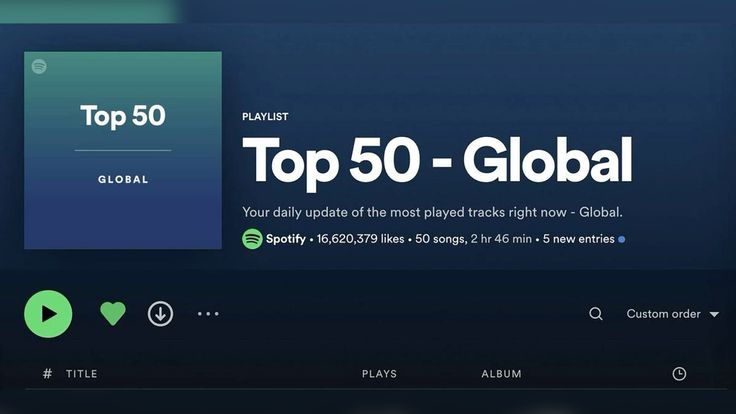
If you’ve run a playlist promotion campaign before, you’ve probably had this moment: you get your placement report, you see a playlist with 40,000 followers next to your song, and your brain immediately does the math that’s 40,000 new potential fans. Then the campaign ends, your stream count barely moved, and it feels like something went wrong.
Nothing went wrong. You were just reading the wrong number.
Follower count and play count measure two completely different things, and confusing them is probably the single biggest reason artists come away from a playlist promotion campaign disappointed even when the campaign did exactly what it was supposed to do. This isn’t a Boost Collective quirk, it’s just how playlists work, on every platform, for every promotion service. But understanding it changes how you read your own results, and it changes what you should actually expect going in.
Followers Measure an Audience. Plays Measure Attention.
A playlist’s follower count tells you how many people have, at some point, decided they liked that playlist enough to save it to their library. It says nothing about how often they open it, how much of it they listen to in a given week, or whether they’re even still actively using that account.
Plays tell you something much more specific: how many times your song was actually streamed off the back of that placement. That number depends on a chain of things that follower count doesn’t capture at all how often the playlist gets opened, where in the tracklist your song sits, how many other songs are competing for the same listening session, and whether your song’s opening seconds are strong enough to survive a skip.
A playlist with 8,000 followers that gets opened daily by a genuinely engaged niche audience will often outperform a playlist with 80,000 followers that was built quickly, has gone quiet, or gets background-played without much attention. Size is the easiest number to see, which is exactly why it’s the easiest number to over-trust.
Why This Matters More With Targeted Promotion Than With Luck
Boost Collective’s playlist promotion campaigns work by matching your song to playlists based on relevance genre, style, and fit rather than handing you a placement on whichever playlist happens to have the biggest number attached to it. That’s a deliberate trade-off: you don’t get to choose the exact playlists your song lands on, but the matching process is optimized for finding an audience that’s actually likely to respond to your song, not for landing you the most impressive-looking follower count on paper.
That means a “smaller” placement in a campaign report isn’t a sign the campaign underperformed. It might be the placement doing exactly its job putting your song in front of a tighter, more relevant audience instead of a bigger, less engaged one. The follower number on a placement report was never meant to be the headline metric. It’s context. The plays are the result.
Setting Expectations Before the Campaign, Not After
The most common frustration in music promotion isn’t a bad campaign it’s an expectation that was set by the wrong number before the campaign even started. If you go in expecting “follower count × some fraction = my new streams,” you’re setting yourself up to feel let down by an outcome that might actually be perfectly normal.
A more useful way to think about it going in:
Plays per follower will always be a small fraction, and that’s expected. No playlist converts its entire follower base into plays for any single song, ever. A healthy response rate is a small percentage of a playlist’s audience that’s true of a 5,000-follower playlist and a 500,000-follower one alike.
Genre fit affects response more than playlist size does. A well-matched placement in front of a smaller, tighter audience segment will often generate a more meaningful response saves, follows, repeat plays than a broad placement in front of an audience that isn’t really looking for your kind of music.
Multiple smaller placements often add up to more real listening than one large one. This is part of why campaigns are typically built around a batch of matched playlists rather than a single big swing. Diversifying reduces how much any one placement’s activity level determines your whole outcome.
Boost Collective doesn’t promise a specific stream count, and that’s intentional. Results vary by genre, by the strength of your song and cover art as promotional assets, and by overall market demand at the time of your campaign. A service that guarantees a stream number is making a promise it can’t actually control which is exactly the kind of guarantee worth being suspicious of anywhere you see it.
Reading Your Own Report Like an Artist, Not a Marketer
Once a campaign wraps, the report itself is where this distinction actually pays off. With a free Boost Collective account, you can see exactly which playlists your song was added to which means you can look past the follower count and ask better questions: Did this playlist’s genre actually match my sound? Did I see saves and follows, not just plays, which usually signals people intentionally engaging rather than passively listening? Did a smaller placement quietly outperform a bigger one?
That last question is often the most revealing one. If a 6,000-follower playlist generated proportionally more plays and saves than a 60,000-follower one, that’s a genuinely useful signal not just about that campaign, but about who your song actually resonates with. It’s the kind of insight that’s easy to miss if you’re only scanning the report for the biggest number.
The Bigger Playlist Isn’t the Goal. The Right Listener Is.
None of this means follower count is meaningless; a playlist that’s both large and genuinely active is obviously a great outcome. The point is that size alone was never a reliable predictor of how your song would actually perform, and treating it like one sets up expectations that a real campaign, run honestly, was never going to hit.
The more useful mindset and the one Boost Collective’s matching approach is actually built around is that a campaign’s job is to get your song in front of real listeners who are likely to care about it, not to land you the most impressive-sounding placement for a screenshot. Plays, saves, and follows are the numbers that tell you whether that happened. Follower count is just the number that made the report easy to skim.
Next time a placement report comes in, skip straight past the follower column. The story is about what people actually did once they heard the song.