5 Ways Technology Is Transforming Energy Production Sites
Introduction
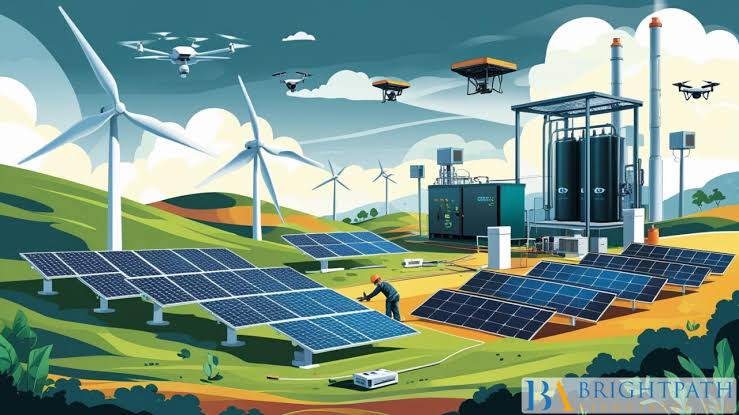
Technology is reshaping nearly every industry, and energy production is no exception. From oil and gas facilities to renewable energy farms and power generation plants, modern technologies are creating new opportunities to improve efficiency, safety, sustainability, and profitability. As global energy demands continue to grow, production sites are under increasing pressure to maximize output while minimizing operational costs and environmental impact.
Digital transformation has become a key driver of innovation across the energy sector. Advanced sensors, automation systems, data analytics, and artificial intelligence are enabling operators to make smarter decisions and manage complex operations more effectively than ever before. These technological advancements are helping energy companies adapt to changing market conditions while maintaining reliable and efficient production. Here are five major ways technology is transforming energy production sites around the world.
Advanced Monitoring and Real-Time Data Collection
One of the most significant technological developments in energy production is the widespread adoption of real-time monitoring systems. Modern facilities now use extensive networks of sensors to continuously gather information about equipment performance, environmental conditions, energy output, and operational efficiency.
These systems provide operators with immediate visibility into processes that were once monitored manually or at fixed intervals. Real-time data allows teams to identify abnormalities, respond to issues quickly, and make informed decisions based on current operating conditions.
For example, pressure changes, temperature fluctuations, or unusual vibration patterns can be detected and analyzed before they lead to major equipment failures. This level of visibility improves operational reliability and helps minimize costly disruptions. The ability to collect and interpret data in real time has become a fundamental advantage for energy producers seeking to optimize performance and reduce risks.
Automation Improves Efficiency and Productivity
Automation has become a powerful tool for increasing productivity across energy production sites. Tasks that once required extensive manual intervention can now be managed through automated systems designed to improve consistency and reduce operational inefficiencies.
Automated equipment can regulate production processes, monitor system performance, and adjust operating parameters with minimal human input. This reduces the likelihood of human error while enabling facilities to achieve more predictable and efficient outcomes.
Many energy companies are also implementing robotic systems to perform inspections, maintenance tasks, and hazardous operations. These technologies allow personnel to focus on higher-value activities while reducing exposure to potentially dangerous environments. As automation capabilities continue to improve, energy production sites can operate with greater precision, reliability, and efficiency than ever before.
Predictive Maintenance Reduces Downtime
Equipment reliability is critical to successful energy production. Unexpected failures can result in costly downtime, delayed projects, safety concerns, and reduced productivity. To address these challenges, many organizations are adopting predictive maintenance technologies.
Predictive maintenance uses advanced analytics, machine learning, and sensor data to evaluate equipment’s health and identify potential issues before failures occur. Instead of relying solely on fixed maintenance schedules, operators can perform servicing when data indicates that intervention is needed.
This proactive approach helps reduce unnecessary maintenance while preventing equipment breakdowns that could interrupt operations. Whether monitoring pumps, turbines, generators, compressors, or drilling equipment, predictive maintenance improves asset performance and extends equipment lifespan.
In offshore operations, predictive maintenance is particularly valuable because access to equipment can be challenging and expensive. Assets such as an offshore support vessel may utilize advanced monitoring technologies to help maintain reliability and ensure uninterrupted support for critical energy projects.
Artificial Intelligence Enhances Decision-Making
Artificial intelligence (AI) is rapidly becoming a valuable asset within the energy sector. By analyzing vast amounts of operational data, AI systems can uncover patterns, identify inefficiencies, and provide recommendations that improve overall performance.
Energy companies use AI to optimize production schedules, forecast energy demand, improve resource allocation, and support operational planning. These capabilities allow organizations to make faster, more informed decisions while adapting to changing conditions.
AI-powered analytics can also help identify opportunities for cost savings by highlighting inefficiencies that may not be immediately visible through traditional monitoring methods. In renewable energy operations, AI can improve forecasting accuracy by analyzing weather patterns and predicting energy generation capacity.
As machine learning algorithms become more sophisticated, their ability to support strategic decision-making will continue to expand, offering significant benefits across a wide range of energy production environments.
Digital Solutions Support Sustainability Goals
Sustainability has become a major priority throughout the energy industry. Companies face increasing pressure from regulators, investors, and consumers to reduce environmental impact while maintaining reliable energy supplies. Technology is playing a crucial role in helping organizations achieve these goals.
Advanced analytics platforms allow operators to monitor emissions, track energy consumption, and identify opportunities to improve efficiency. Smart systems can optimize equipment performance, reduce waste, and lower resource consumption without sacrificing output.
Digital technologies also support integration between traditional energy assets and renewable energy sources. Energy management platforms help balance production, storage, and distribution, enabling more efficient use of available resources.
In addition, remote monitoring and digital reporting tools help organizations meet environmental compliance requirements more effectively. By providing accurate, real-time data on operational performance, these technologies make it easier to demonstrate accountability and continuously improve sustainability initiatives.
Conclusion
Technology is transforming energy production sites in profound ways, helping organizations operate more safely, efficiently, and sustainably. Real-time monitoring, automation, predictive maintenance, artificial intelligence, and digital sustainability solutions are redefining how energy facilities manage complex operations and respond to industry challenges.
As energy demand continues to evolve, companies that embrace technological innovation will be better positioned to improve performance, reduce costs, and maintain a competitive advantage. The ongoing integration of smart technologies into production environments is not simply enhancing existing processes—it is fundamentally reshaping the future of energy production. Organizations that invest in these advancements today are laying out the foundation for greater resilience, efficiency, and long-term success in the years ahead.