5 Ways Technology Is Transforming Student Housing Operations
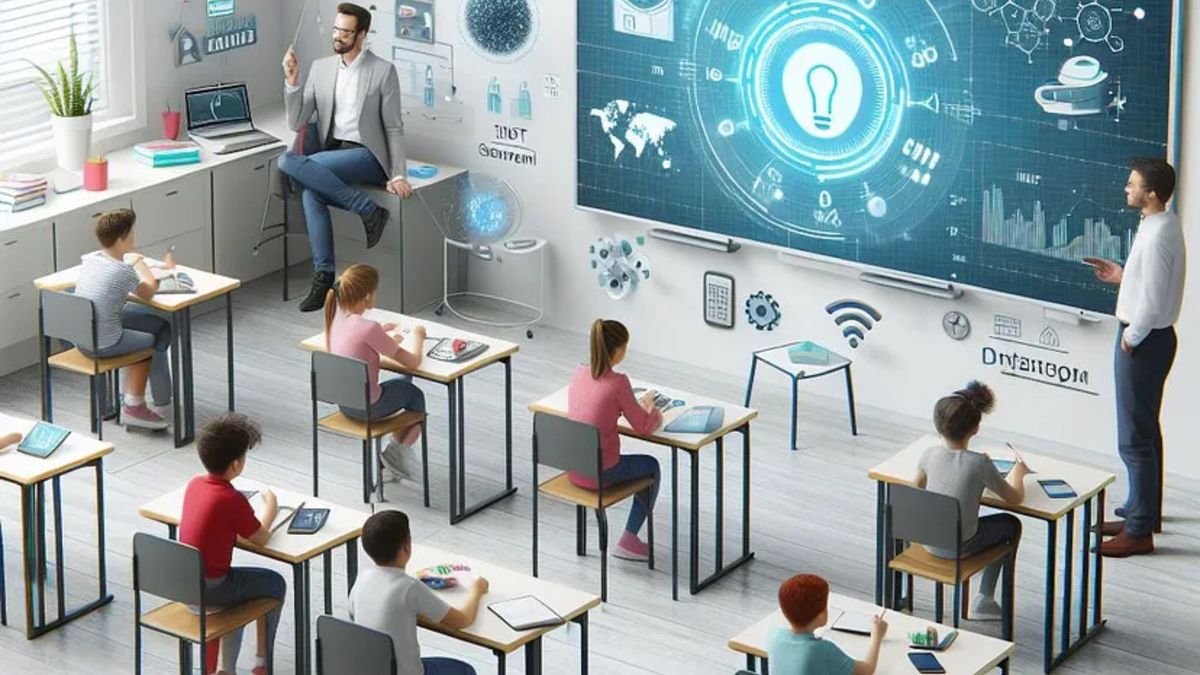
Maintenance requests, rent payments, occupancy tracking — all from one dashboard. Far-fetched? Not even close. Student housing operators are already running properties this way. The shift has been fast. Honestly, pretty dramatic. We’ve moved well past basic scheduling tools into territory covering real-time analytics, predictive modeling, and smart building infrastructure. Directors who understand what’s available right now are the ones pulling ahead — and delivering meaningfully better experiences for residents along the way.
1. Property Management Software and Centralized Operations
Modern property management platforms have become the operational spine of student housing. Lease management, rent collection, maintenance scheduling, resident communication — consolidated into one interface. Gone are the spreadsheets, the separate inboxes, the disconnected tools eating up hours every week. Everything a staff member needs sits in a single view. Picture this: a resident flags a leaky faucet. The maintenance crew gets an instant alert, photographs the issue, logs repair costs, closes the ticket — and the resident hears back through the same platform that dispatched the crew. End-to-end. No dropped balls. Properties running integrated systems tend to see faster resolution times and stronger satisfaction scores because of it.
2. Online Rent Payment and Financial Management
Mailed checks are essentially extinct in student housing. Credit cards, bank transfers, mobile wallets, autopay — residents choose whatever fits their life. Confirmations generate automatically. Late payments get flagged early. Accounting discrepancies surface before they spiral into something ugly. The financial picture sharpens on both sides of the ledger. Operators see predictable cash flow; accounting teams stop drowning in manual entry and actually do strategy work. Residents pay on their own schedule — and that matters more than it might seem. Give people payment flexibility and late payments drop. Retention tends to follow.
3. Smart Building Technology and Energy Management
Internet-connected devices now regulate temperature, lighting, and security across entire residential communities. Smart thermostats learn resident preferences while quietly trimming energy use during peak hours. Motion-activated lighting cuts waste in hallways, common areas, and outdoor spaces where lights would otherwise run all night. The savings are real. A 200-unit complex might trim annual utility costs by 15 to 20 percent through intelligent HVAC controls and LED upgrades — numbers that compound fast across a portfolio. But cost isn’t the whole story. Residents notice modern amenities. During leasing season, that stuff carries real weight with prospective tenants. Smart locks, keyless entry, camera monitoring — these features build safer environments and quietly eliminate a surprising share of maintenance calls tied to lost keys and lockouts.
4. Data Analytics and Occupancy Forecasting
Real-time dashboards now pull together occupancy rates, lease expirations, application pipelines, and market pricing — all in one place. Operators spot seasonal patterns, anticipate vacancy windows, and pivot marketing strategies before problems show up in the numbers. Analytics also reveal which channels actually produce quality applicants. Data might show, for example, that social media campaigns attract residents with stronger retention histories than email marketing does. That kind of insight reshuffles where dollars go — and why.
When managing complex portfolios across multiple properties, residential directors rely on student housing software to consolidate occupancy forecasting, lease tracking, and maintenance data into a single actionable view. Predictive modeling takes things further still. If building systems show a pattern of failing during winter months, crews can schedule preventive work before the costly breakdown hits. That’s the real value — swapping guesswork for evidence.
5. Resident Communication and Community Management Platforms
Mobile apps and community portals have reshaped how properties talk to residents — and how residents connect with each other. Maintenance requests, package notifications, event announcements, community calendars. All of it lives in a smartphone app now. The old model relied on bulletin boards, email chains, phone tag. Slow. Easy to miss. A property manager today can push a notification to every resident in seconds — water shutoff scheduled, community event tonight, maintenance access tomorrow morning — and actually know the message landed. Social features built into these platforms go further still. Roommate matching, community forums, event registration — tools that build a sense of place, not just a place to sleep. Residents who feel genuinely connected to their community renew leases. They refer friends. That’s not a small thing.
Conclusion
Technology has permanently altered how student housing operates. Property management software kills administrative inefficiency. Payment systems make cash flow predictable. Smart building tech cuts costs while improving day-to-day comfort. Analytics platforms push decision-making from gut instinct toward actual evidence. Communication tools reduce friction while strengthening the resident relationship.
None of this is hypothetical. It’s happening now, across the industry. Properties embracing these tools are winning on resident satisfaction, operational efficiency, and financial performance — often all three simultaneously. Student housing will keep evolving. But one thing seems clear: operators committed to delivering excellent experiences don’t really have the option of sitting this out.