A Collector’s Guide to the Collection of 2026 World Cup Jerseys
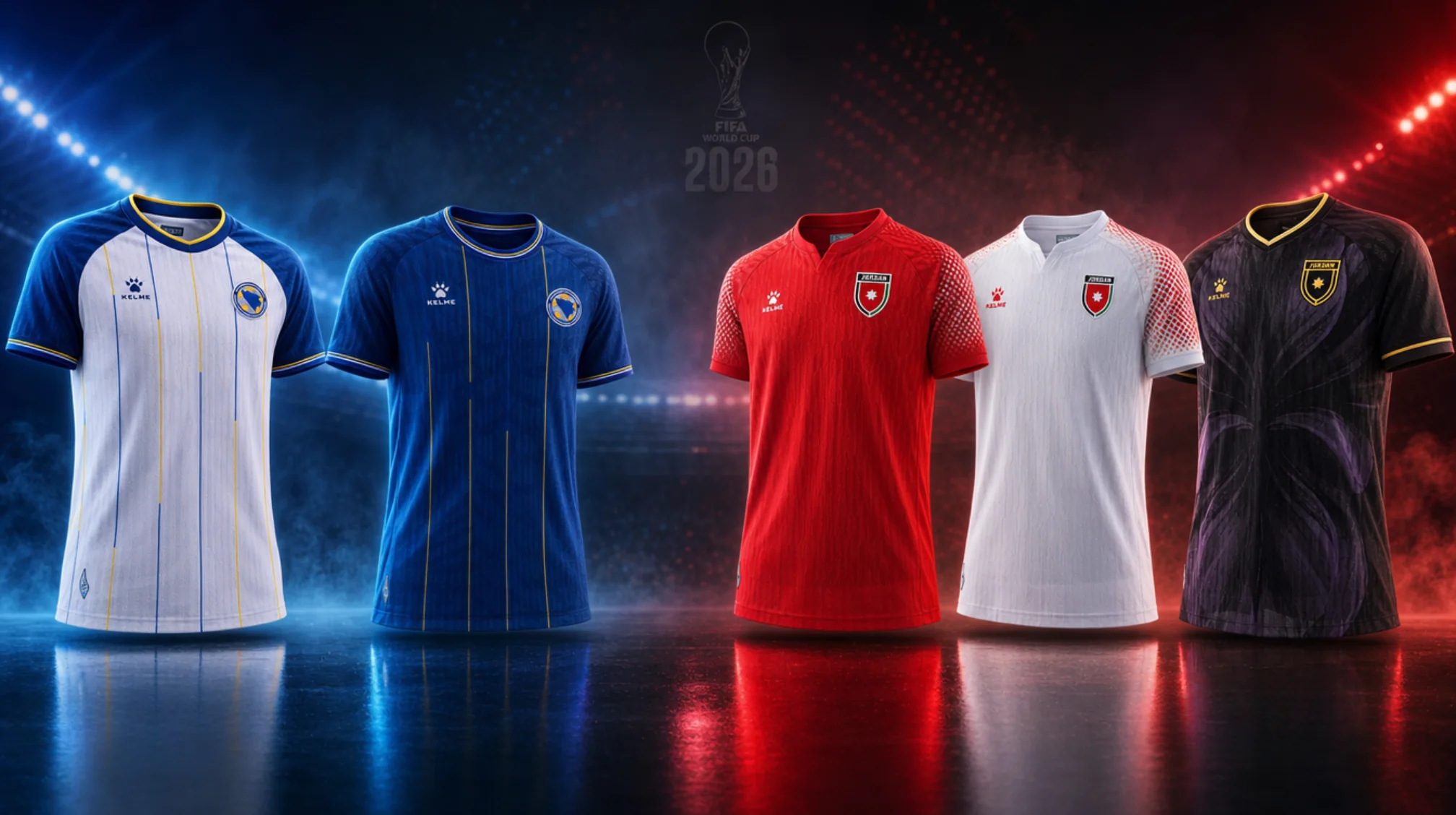
The 2026 World Cup is huge. Three countries. Sixteen cities. Forty eight teams. That is the biggest World Cup ever made. And every big tournament brings a big wave of shirts. If you want to grab a piece of it, the collection of 2026 World Cup jerseys is where smart collectors start. This guide breaks down what actually matters when you buy. No fluff. Just facts you can use today.
Why Is the 2026 World Cup Different From Every Other One?
This tournament has 48 teams. The old number was 32. That is 16 more countries fighting for the trophy. More teams means more kits. More kits means more choices for you.
The games happen in the USA, Mexico, and Canada. Three host nations at once. That has never happened before in World Cup history. Each host usually gets a kit twist tied to its culture. Collectors love that kind of detail.
What Makes a Jersey Worth Collecting?
Not every shirt holds value. The ones that matter share three things. Official licensing. Limited print runs. And a real story behind the design.
Official jerseys carry the crest of the football federation and the tournament badge. Fake shirts skip these details or get them wrong. Check stitching on the crest. Real crests are embroidered, not printed flat.
Home or Away, Which One Should You Buy First?
Home kits sell faster. That is just true. Nike and Adidas data from past tournaments shows home shirts outsell away shirts by nearly two to one during World Cup years.
But away kits often carry bolder designs. Brands take more risks with away colors because fans are less attached to them. If you want a shirt that stands out in a crowd, away kits usually win.
How Do You Spot a Fake World Cup Jersey?
Fakes flood the market every four years. Interpol has flagged counterfeit sports merchandise as a multi million dollar problem tied to major tournaments.
Look at the tag inside the collar. Real jerseys list the manufacturer, size, and a hologram or QR code. Fake shirts often skip the QR code entirely or link to a broken page.
Price is another clue. If a shirt costs half the retail price, it is almost never real. Manufacturers do not discount new tournament kits before the event even starts.
Should You Buy Player Edition or Fan Edition?
Player edition shirts match what athletes wear on the pitch. They use lighter fabric and a tighter cut. Fan edition shirts are heavier and cost less.
Collectors who plan to display the shirt, not wear it hard, often pick player edition. The fabric holds its shape longer in a frame. If you plan to wear it every weekend, fan edition survives washing machines better.
When Is the Best Time to Buy?
Prices climb the closer you get to kickoff. Retailers raise prices as stock runs low near tournament time. Buying early, right when kits drop, gets you the best price and the best size selection.
Waiting until after the tournament sometimes gets you clearance pricing, but sizes run out fast for winning teams. If your team wins it all, expect their kit to sell out within days.
How Should You Store and Care for a Collectible Jersey?
Heat ruins printed numbers and crests. Never put a jersey in a dryer. Air dry it flat, away from direct sun.
For long term storage, use acid free tissue paper inside the shirt to stop creasing. Frame shirts behind UV protective glass if you plan to hang them. Regular glass lets UV rays fade colors within a couple of years.