A Practical Guide To Upgrading Existing Fixtures With LED Corn Light Bulbs
Lighting upgrades do not always require removing complete fixtures and installing entirely new systems. In many commercial, industrial, and outdoor environments, existing fixtures may still be structurally sound even though the lamps inside them use older technology. Updating the light source can therefore be a practical way to improve illumination while continuing to use suitable existing fixtures.
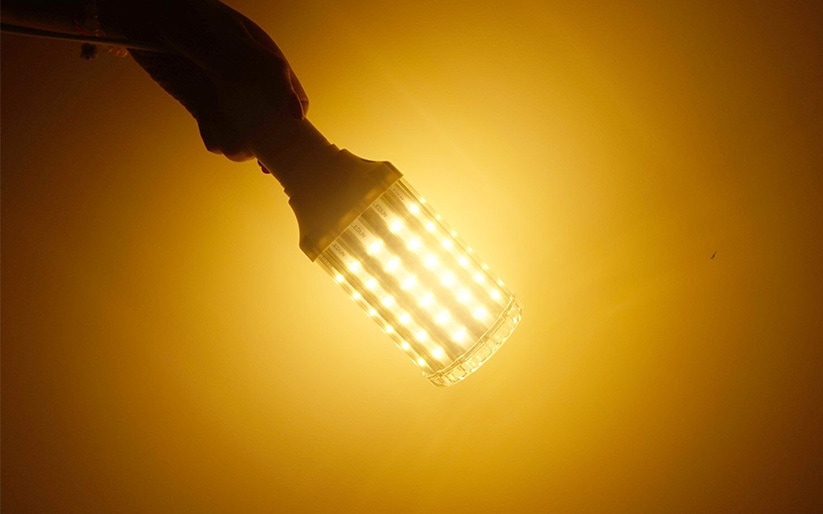
One option for this type of retrofit is LED corn light bulbs. Their distinctive design uses multiple LED chips positioned around the body of the lamp, creating broad light distribution and high lumen output. They are commonly considered for applications that previously relied on metal halide, high-pressure sodium, or other high-intensity discharge lamps.
Understanding fixture compatibility, wattage, light output, base type, heat management, and installation requirements is important before beginning an upgrade.
Understanding The Purpose Of LED Corn Light Bulbs
LED corn bulbs get their name from the arrangement of LED chips around their cylindrical body, which resembles kernels on an ear of corn. Unlike directional lamps that concentrate most of their output in a particular direction, many corn bulbs are designed to distribute light across a wide area.
This characteristic can make them suitable for fixtures where broad illumination is important. Depending on the lamp and fixture design, they may be used in warehouses, workshops, parking areas, streetlights, post-top fixtures, large indoor spaces, and other commercial environments.
The main appeal of a corn bulb retrofit is that it may allow an existing fixture housing to remain in service. Instead of replacing the entire assembly solely because the original lamp technology is outdated, an appropriate LED replacement can modernize the light source.
Evaluate Existing Fixtures First
Before selecting replacement lamps, inspect the fixtures that will be upgraded. An old fixture should not automatically be reused simply because an LED lamp can physically fit inside it.
Look at the condition of the housing, socket, wiring, lens, seals, mounting hardware, and other components. Outdoor fixtures deserve particular attention because years of exposure to moisture, temperature changes, dust, and other environmental conditions may affect their condition.
Available internal space also matters. LED corn bulbs are available in different dimensions, and some high-output models can be substantially larger than traditional lamps. Measure the available space rather than relying only on the appearance of the fixture.
If the fixture is damaged, badly corroded, poorly sealed, or otherwise unsuitable for continued service, replacing the complete fixture may make more sense than retrofitting it.
Match The Correct Base Type
A successful retrofit depends on choosing a lamp with the appropriate base. Commercial lighting fixtures can use different socket configurations, so visual similarity between two bulbs does not guarantee compatibility.
Check the existing lamp and fixture specifications to determine the required base. Common configurations in this category can include medium and mogul screw bases, although the correct option depends on the specific installation.
Adapters should not be treated as a universal solution. They can change the position of the lamp inside the fixture and may introduce additional compatibility concerns. Selecting a bulb designed for the existing socket is generally a more straightforward approach when the overall fixture is suitable.
Compare Lumens Instead Of Wattage Alone
One common mistake during lighting upgrades is choosing an LED replacement based only on wattage. Wattage indicates how much electrical power a lamp consumes, not how much visible light it emits.
Lumens provide a better basis for evaluating brightness. When replacing older HID lighting, determine the illumination requirements of the space and compare suitable LED options by lumen output, distribution, and application.
It is also worth considering that an aging conventional lamp may no longer produce the same amount of light it did when new. Simply attempting to match the original wattage can therefore lead to an unsuitable choice.
The objective should be appropriate illumination for the actual environment rather than automatically selecting the highest output available.
Consider Color Temperature
Light quality affects how a space looks and functions. Color temperature, expressed in Kelvin, influences whether illumination appears relatively warm, neutral, or cool.
The appropriate choice depends on the setting. A warehouse may have different visual requirements from a pedestrian area, parking facility, retail environment, or decorative outdoor installation. Existing nearby lighting should also be considered when only part of a property is being upgraded.
Installing noticeably different color temperatures next to one another can make a facility appear inconsistent. Planning the upgrade across the entire illuminated area helps produce a more uniform result.
Understand Ballast Requirements
Many fixtures originally designed for HID lamps include a ballast. An LED retrofit may require the ballast to be bypassed or removed, depending on the design and specifications of the replacement lamp.
This is an important installation consideration rather than a minor detail. The existing electrical configuration should be evaluated against the instructions for the selected LED product.
Ballast bypass work involves electrical wiring and should be completed appropriately by a qualified person where required. Local electrical requirements and manufacturer instructions should always take priority over assumptions based on another installation.
Removing an unnecessary ballast can also eliminate an additional component that could otherwise become a future maintenance point.
Pay Attention To Heat Management
LED technology is efficient, but LEDs and their electronic drivers still generate heat. Managing that heat properly contributes to reliable operation.
Some fixtures provide more airflow than others. A lamp installed in a spacious open fixture may operate under different thermal conditions from one enclosed behind a tight lens. This is why enclosure compatibility matters when choosing an LED corn bulb.
Do not assume that every LED lamp can operate in every enclosed fixture. Check the manufacturer’s stated operating conditions and installation requirements. Crowding an oversized lamp into a poorly ventilated housing may undermine the advantages expected from the retrofit.
Check Physical Size And Light Distribution
Measurements should be taken before purchasing replacement lamps, especially when upgrading multiple fixtures.
Consider the lamp’s height, diameter, socket position, and distance from the fixture lens or reflector. A bulb that technically fits the socket may still be too large for the housing or positioned poorly for effective illumination.
Light distribution is equally important. Existing reflectors were designed around the characteristics of the original lamp. Because LED corn bulbs distribute light differently, the final result can vary depending on the fixture.
For larger projects, testing a suitable lamp in one representative fixture can help determine whether the physical fit and resulting illumination meet expectations before carrying out a broader retrofit.
Think About The Actual Lighting Environment
Every application has different priorities. Warehouse lighting may focus on visibility across work areas and aisles. Parking facilities may need broad, consistent illumination. Outdoor fixtures must account for exposure to weather, while decorative fixtures may require attention to appearance as well as brightness.
Mounting height is another consideration. A light source that performs well relatively close to the ground may not provide the desired result when installed significantly higher.
Instead of treating LED corn bulbs as identical replacements for every old lamp, consider the complete lighting environment. Fixture design, mounting position, spacing, required illumination, and surrounding surfaces all influence performance.
Plan For Maintenance Access
Lighting decisions should also account for future maintenance. Fixtures installed on tall poles, high ceilings, or difficult exterior locations can require specialized equipment to access.
A retrofit that reduces the frequency of lamp servicing can be particularly useful in these environments. However, accessibility still matters. Document the lamps installed in different areas so future maintenance teams can identify the appropriate replacement specifications without reopening every fixture simply to determine what is inside.
For larger properties, keeping a basic lighting inventory can simplify future purchasing and maintenance planning.
Decide When A Complete Fixture Upgrade Makes More Sense
LED corn light bulbs can be useful for extending the service life of compatible existing fixtures, but retrofitting is not automatically the right choice in every situation.
A complete LED fixture may be preferable when the existing housing is badly deteriorated, the socket or wiring needs significant work, better optical control is required, or the existing fixture cannot accommodate an appropriate LED lamp safely.
The decision should consider the condition of the entire system rather than focusing solely on the cost of the replacement bulb.
Final Thoughts
Upgrading existing lighting fixtures with LED corn light bulbs can provide a practical bridge between older fixture infrastructure and modern LED technology. The approach can be particularly useful when fixture housings remain serviceable and replacing the entire lighting system is unnecessary.
A successful retrofit begins with careful evaluation. Check fixture condition, socket compatibility, physical dimensions, lumen requirements, color temperature, ballast configuration, thermal conditions, and the intended lighting environment before choosing a replacement.
Most importantly, view the project as a lighting system upgrade rather than a simple bulb swap. Selecting an LED lamp that works properly with the existing fixture and the needs of the space can help create a more functional, maintainable, and efficient lighting setup without replacing components that still have useful service life.