How to Choose the Right Indoor Plants for Your Home’s Lighting Conditions
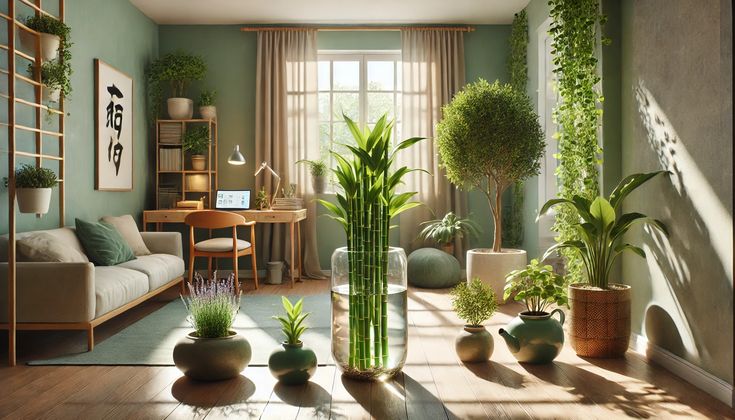
You should start picking an indoor plant by looking at the room, not the plant. Every room has the way sunlight, shade, and reflections come in. Seasons also change these things. These conditions tell you if the plant will grow well or feel stressed.
For anyone who wants to make their space more green, Houseplants are easier to pick when you let lighting be the first thing you think about. Instead of asking what plant will look good, start by asking something much easier. What kind of light does this spot in your home really have?
The Light-Match Method
Think of plant selection as a four-step match:
Observe → Classify → Match → Monitor
This helps people avoid one of the top mistakes in indoor gardening. Many choose a plant first and then try to make the room work for it after.
01 — Bright Light: Work With the Sun
Light rooms are appropriate for such plants that require lots of light, but, in addition to that, this light should correspond to the needs of the plant.
The term “bright” doesn’t always imply full sun exposure. The spot near the sunny window can be absolutely different from the spot that receives lots of sunlight for several hours.
Check: Is the light direct, filtered, or just bright?
02 — Filtered Light: The Flexible Zone
Filtered or indirect light makes it easy for you to grow many kinds of plants. A lot of green plants do well if they get enough light like this during the day. They grow best when there is steady daylight in the room for all hours.
Shades, blinds, nearby walls, and pieces of furniture can affect the amount of good light that reaches the leaves.
Do you have enough light? Does your plant have access to good, bright, but indirect light?
03 — Less Light: Select for Tolerance
Just because a place has less light doesn’t mean you cannot use it for keeping plants. You have to select plants that can survive in less light. Do not take plants that need light and force them to grow with additional watering.
Lower light often means plants will grow slowly. So, you should change what you expect too.
Check: Is the area really darker, or is it just not as close to the window?
The 30-Second Light Audit
Before you get a plant, stand at the spot where you plan to put it and look at:
| Question | What to Look For |
| How bright is it? | Strong, moderate, or dim |
| How long does brightness last? | Short, several hours or most of the day |
| Is sunlight direct? | Yes, filtered or no |
| Does the light change seasonally? | Noticeable or minimal |
| Is the plant too far from the source? | Nearby or distant |
This easy check helps you pick plants on purpose.
When the Leaves Send a Signal
Sometimes the issues of plants can serve as an indication of improper light conditions. Stunted growth is one of the symptoms that the plant experiences from a lack of light. Scorched leaves indicate the opposite problem—too much light.
Sometimes it is not necessary to move a plant from its place radically. Just a slight adjustment of the place can make the difference.
The 2026 Rule: Design Around the Room
The best way is to split your home into different light zones. This is easier than trying to find one plant that grows well in every spot.
Bright zone → choose the right plants
Filtered zone → pick plants that can adjust well
Low-light zone → focus on kinds that can handle less light
This makes plant shopping easy. You just match the plant to the right spot in your home or yard.
Quick Answer
How to select indoor plants according to lighting?
First, figure out the amount of light in the place you selected. Is the light direct, or is it coming from the side and not shining on the exact place? Now choose a plant that will grow in such light. Once you place the plant there, observe its growth. Change the plant’s location if necessary.
Conclusion
Good indoor plant selection starts when you take some time to look at your space. You need to know the light in every room. After that, picking houseplants gets easier, and it is not just guesswork. You make a space where the plant can do well.
Select the plant that will fit the room. The rest of the details will come after that.