Can Whole Home Backup Use Solar During Grid Outages?
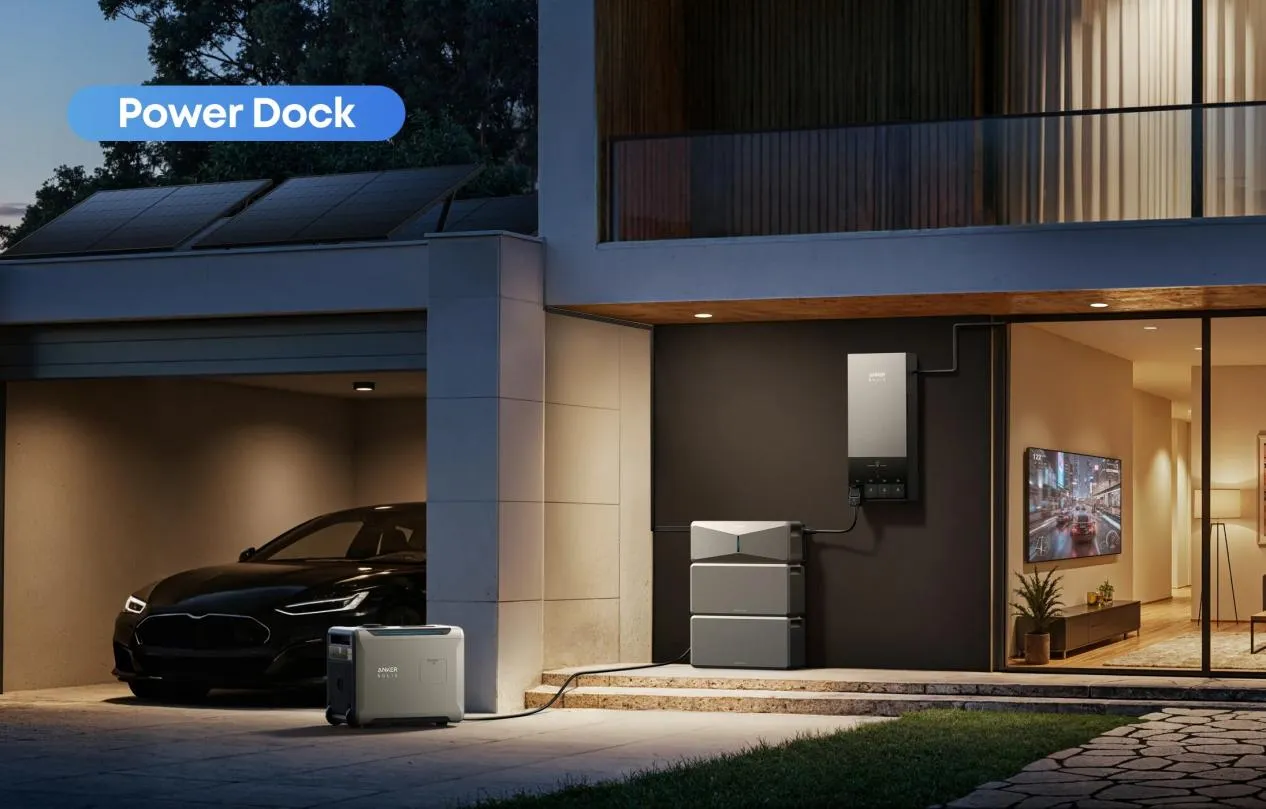
Whole home backup can use solar during grid outages when compatible inverters, batteries, and transfer equipment support operation independently from the utility. Solar panels alone usually cannot provide this function because standard grid-connected systems shut down when utility power fails. A properly configured backup system can supply household loads and store surplus solar energy for later use. To understand your coverage, check three things: whether solar operates during outages, how much power your equipment delivers, and how long storage lasts.
How Solar Power Works During a Grid Outage
When utility power fails, backup transfer equipment disconnects the supported household circuits from the grid. A compatible backup inverter establishes a local electrical supply, allowing approved solar equipment to continue operating within that isolated system. This arrangement prevents electricity from flowing into utility lines during the outage. Solar generation can supply active household loads, while available surplus charges the battery. When production falls below demand, the battery supplies the difference within its operating limits. Controls may reduce solar production when storage is full and demand is low. Standard grid-connected solar lacks this independent operating capability unless the installation includes suitable backup equipment and an approved configuration for continued solar operation.
What Determines Whole-Home Solar Backup Performance?
Solar Panel Output and Available Sunlight
Available sunlight determines how much energy your panels can contribute during an outage. Cloud cover, shading, panel orientation, seasonal daylight, and equipment limits all affect production. Compare expected generation with household consumption across the day rather than assuming the array continuously delivers its rated output. A sunny afternoon may provide surplus energy, while early morning production barely covers essential loads. Review historical monitoring data for similar weather and seasons, then plan around conservative generation estimates instead of the highest output your system has ever recorded.
Battery Capacity, Inverter Power, and Household Demand
Battery capacity determines stored energy, while inverter output limits the appliances your system can operate simultaneously. Both matter when selecting battery backup for home that will work alongside solar. Estimate runtime from available usable energy and average demand, allowing for conversion losses and operating reserves. Check motor starting requirements separately because brief surges can exceed normal running demand. Additional storage extends operation but does not automatically increase inverter output. Match your planned loads to both limits before relying on solar charging to sustain household coverage.
Essential Loads, Whole-Home Coverage, and Backup Duration
Whole-home backup gives households broader coverage, but appliance use and backup duration still reflect available power and stored energy. For homeowners seeking Uncompromised Living, Anker SOLIX E10 Whole-Home Backup offers 200A Whole-Home Backup. Assess your household’s simultaneous power needs and desired runtime when considering this option. Prioritize refrigeration, communications, essential lighting, and other necessary loads during an outage. Delay discretionary appliances when solar production falls or stored energy runs low, helping preserve backup power for the needs that matter most.
How to Prepare Your Home for Solar-Powered Outages
Check Inverter Islanding and Backup Compatibility
Ask your installer to confirm that the complete system supports intentional islanding and solar generation during outages. Verify compatibility among the solar inverter, battery inverter, transfer equipment, and control hardware. Existing solar equipment may require additional components or a different connection arrangement. Request a clear explanation of which circuits receive backup power and how the system behaves when the battery empties. Confirm whether solar can restart charging after shutdown, and arrange commissioning checks using the manufacturer’s documented procedures before relying on backup operation.

Configure Battery Settings and Backup Load Priorities
Set a backup reserve that preserves useful stored energy for unexpected outages instead of allowing routine consumption to exhaust it. Review supported operating modes and confirm how they affect charge availability. Establish a household load order before an interruption: protect essential needs first, then permit discretionary appliances only when energy allows. Where supported, configure automatic load controls and low-charge alerts. Keep instructions accessible so household members know what to switch off. Revisit settings after adding appliances or changing seasonal heating and cooling needs at home.
Plan for Cloudy Days, Overnight Use, and Extended Outages
Plan overnight coverage from stored energy because solar panels cannot generate electricity without sunlight. For cloudy periods, compare conservative production estimates with essential daily consumption and identify which loads you can reduce further. Avoid assuming each day will fully recharge the battery. Track remaining energy and adjust demand early when poor weather continues. If your plan includes another charging source, verify approved integration and operating procedures beforehand. Establish an alternative arrangement when the forecast outage exceeds your realistic energy budget, particularly for needs requiring uninterrupted support.
Conclusion
Whole home backup can use solar during grid outages when the installation supports safe, independent operation with compatible equipment. Confirm that capability first, then assess solar production, usable battery energy, and inverter output against your household’s essential demand. Prepare reserve settings and load priorities before an outage, and budget stored energy for nighttime and cloudy weather. Whole-home connections provide access across the installation, but careful consumption determines how effectively available energy supports it. A documented operating plan helps you maintain useful coverage throughout the interruption.