Design Ideas for Using Flush Ceiling Fixtures at Home
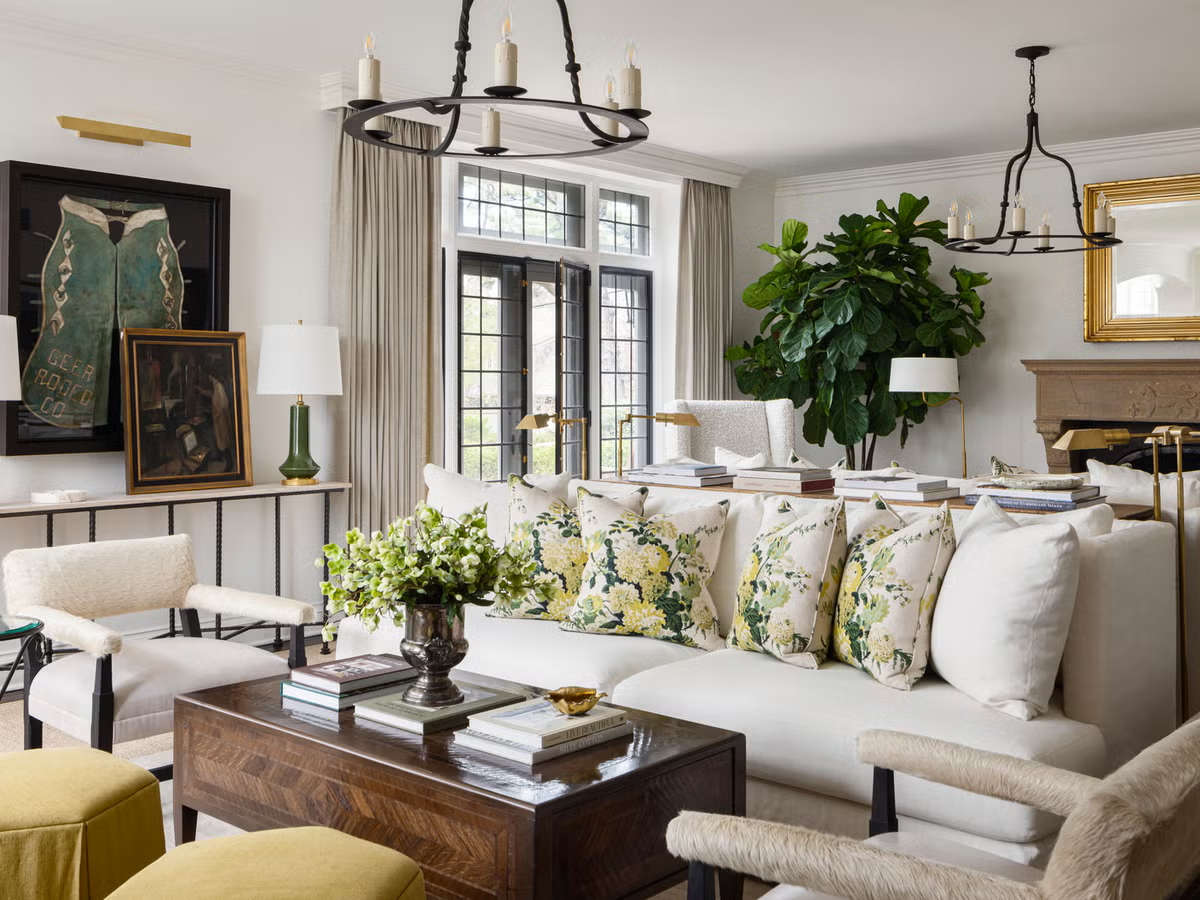
Unlike pendant lights, flush ceiling lighting fixtures are situated near the ceiling. They work well in areas with low ceilings and give any space a clean appearance. These fixtures are popular among homeowners because they offer good light while saving space. This article examines basic applications for these fixtures in various spaces. Every concept emphasizes both style and function, making the space feel well-balanced and airy. Readers will find useful advice that works with practically any type of home.
An Overview of These Fixtures
Flush ceiling fixtures are installed with little to no space between them and the ceiling. Unlike a pendant that descends on a cord or chain, this design keeps the light source near the surface above. The majority of flush fixtures have a square or round base with a cover made of fabric or glass over the lightbulb. They work well in spaces with limited height because they are so close to the ceiling. When there is limited space, homeowners frequently choose this design for closets, hallways, and bedrooms. Without taking up any visual space, the fixture continues to distribute light uniformly throughout the space.
Best Rooms for Flush Fixtures
Nearly every room benefits from flush fixtures, but some areas are more advantageous than others. Since they provide even, gentle coverage, bedrooms frequently use them as the primary light source. Because the fixture stays out of the way of foot traffic, hallways and entryways are also appropriate for this style. Flush fixtures can provide bright, direct light over counters in kitchens with low ceilings. Bathrooms also gain from this because, when installed properly, the fixture is protected from moisture and steam. A straightforward flush light that doesn’t take up shelf space is beneficial even in closets and laundry rooms.
How to Pick the Right Size
Size matters a great deal when choosing a flush ceiling fixture. A fixture that is too small will leave the room dim, while one that is too large can look out of place. A simple rule is to add the length and width of the room in feet, then use that number in inches as the fixture diameter. For example, a room that measures 10 by 12 feet would suit a fixture around 22 inches wide. Ceiling height also plays a role, since taller ceilings can handle larger or more detailed fixtures. Smaller rooms like closets need only a compact fixture to do the job well.
Light Output and Bulb Types
Light output depends on the bulb used inside the fixture. LED bulbs remain a popular choice because they last long and use less power than older bulbs. Warm white bulbs suit bedrooms and living rooms, while cool white bulbs work better in kitchens and bathrooms. Dimmable options let homeowners adjust brightness based on the time of day or mood. Lumens, not watts, give the best sense of how bright a bulb will be. A general guide is 1,500 to 3,000 lumens for a mid-sized room, though needs vary by space.
Styles That Suit Different Homes
Flush ceiling fixtures come in many styles, so they can match almost any home. Simple drum shades or frosted glass domes suit modern and minimal interiors. Fixtures with brass or bronze finishes fit traditional or farmhouse-style homes. Some fixtures include decorative details like scalloped edges or fabric shades for a softer look. Flush mounts with exposed bulbs and metal cages suit industrial-style rooms. A finish that matches other hardware in the room, such as door handles or faucets, helps tie the space together.
Where to Place Fixtures for Better Light
How well a flush fixture illuminates a space depends on its placement. For general lighting in most rooms, center placement works best. Two or three evenly spaced fixtures provide better coverage than a single large fixture in long rooms or hallways. Uneven light and shadows can result from fixtures positioned too close to walls. Task lighting is added in kitchens where it is most needed by installing fixtures over work areas like counters and islands. Before installation, a quick test using a paper template on the ceiling can help confirm the correct location.
How Fixtures Work with Other Lighting
These fixtures rarely need to work alone in a room. Table lamps and floor lamps add warmth and depth to a space lit mainly by a flush fixture. Under-cabinet lights in kitchens pair well with a flush fixture overhead for layered light. Wall sconces in hallways or living rooms can soften the brightness of a single overhead fixture. A dimmer switch on the flush fixture allows the main light to blend more smoothly with these other sources. This layered approach gives a room more balance and makes it feel less harsh under bright light.
Cost and Upkeep
These fixtures tend to cost less than chandeliers or large pendant lights. Basic models start at a low price, while designer versions with detailed finishes cost more. Installation is often simple, and many homeowners can replace an old fixture without hiring an electrician, as long as the wiring stays the same. A flush fixture is easy to clean since dust and bugs stay outside the glass or fabric cover. A soft cloth and mild soap keep the fixture looking new for years. Regular checks on the bulb and wiring help the fixture last longer and stay safe to use.
Flush ceiling fixtures offer a practical and stylish way to light a home. They suit rooms with low ceilings and blend well with many design styles. From bedrooms to kitchens, these fixtures bring even light without taking up space. Simple choices about size, bulb type, and placement make a big difference in how well they perform. Paired with other light sources, flush fixtures help create a warm and balanced room. With low cost and easy upkeep, they remain a smart pick for most homes.