DWPD: The Crucial Metric for SSD Reliability and Storage Endurance
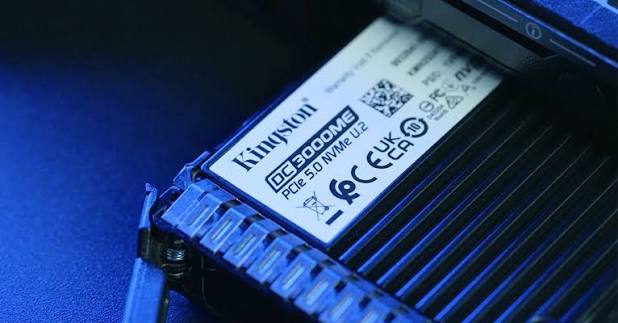
In today’s digital era, data integrity and reliability are non-negotiable for individuals and organizations alike. Whether you are managing personal files or mission-critical enterprise workloads, understanding the characteristics of your storage solution is essential. One of the most important metrics for evaluating solid-state drives (SSDs) is Drive Writes Per Day (DWPD), which gauges a drive’s durability over time. With so much information available, knowing where to begin your research is equally important. For a deeper dive, this white paper provides valuable foundational knowledge: Understanding DWPD. Staying up to date on endurance characteristics like DWPD directly affects how long storage investments remain effective. A proper grasp of this metric not only safeguards performance but can also prevent premature data loss and lower replacement costs.
Understanding DWPD
DWPD, or Drive Writes Per Day, defines how many times the entire capacity of an SSD can be written to and erased each day during its warranty period. As an example, if a 1TB SSD is rated for 1 DWPD, it means users can write 1TB of data to that drive each day for the duration of the warranty without risking premature failure. This rating is essential for determining whether a particular SSD can meet the daily read-write demands of your environment, from desktop computing to intensive database or AI applications. It is important to note that DWPD should always be interpreted within the context of typical usage. For instance, a workstation handling light document editing will experience far less write wear than an SSD deployed in a virtual desktop infrastructure hosting hundreds of users. This variability underscores why IT teams must complete a detailed workload analysis before procurement. By calculating expected daily writes and matching them to DWPD, IT managers can confidently avoid under-provisioning or inadvertently shortening drive lifespan through improper workload allocation.
DWPD vs. Total Bytes Written (TBW)
DWPD provides a daily endurance benchmark, while Total Bytes Written (TBW) provides a cumulative measure of write endurance over the drive’s lifetime. TBW represents the total data that can be written before the SSD’s warranty expires or its expected lifespan ends. Both DWPD and TBW are vital for understanding and planning how a storage solution will perform under unique workloads. While DWPD helps set daily operational limits, TBW helps guide long-term replacement strategies and purchasing decisions. Many manufacturers publish both DWPD and TBW to offer a comprehensive view of drive stamina. For mission-critical workloads, an SSD with a high DWPD will often also carry a correspondingly robust TBW. However, drives optimized for consumer environments may skew towards capacity or cost efficiency, trading off some longevity in the process. When evaluating these metrics, be sure to also factor in drive warranty length, as a longer warranty period paired with a modest DWPD may still suffice for low-write settings.
Impact of DWPD on SSD Lifespan
Generally, higher DWPD indicates a longer-lasting SSD, especially in environments with heavy write traffic. However, real-world factors such as varying workloads, environmental conditions, and write amplification can affect actual drive endurance. A DWPD below the required level can accelerate wear and lead to earlier failures, so it is critical to consider these factors, not just the published metrics. Temperature also plays a significant role in driving longevity. High heat can exacerbate NAND cell wear and further reduce SSD lifespan, particularly in dense server environments. Careful thermal management and environmental monitoring can thus maximize the return on your storage investment. Similarly, deploying storage arrays with features that minimize unnecessary writes, such as data deduplication or tiered storage, can help extend SSD service life, especially for high-throughput applications. Ultimately, the real-world lifespan of an SSD is a complex balance between published specifications and operational best practices.
DWPD in Enterprise Environments
Enterprise environments have stringent requirements for data integrity, reliability, and uptime. System architects should carefully select SSDs with DWPD ratings that align with expected workloads. Some companies, such as Dell, have cautioned against reusing enterprise-grade SSDs as a cost-saving measure, as it can introduce risks of component failure and catastrophic data loss. By following manufacturer guidelines and understanding the real implications of endurance ratings, organizations ensure their storage infrastructure is robust enough for mission-critical operations. More than ever, enterprises must incorporate proactive monitoring and predictive failure analysis into their IT strategies. Using modern SSD features such as Self-Monitoring, Analysis, and Reporting Technology (SMART) data, IT staff can track wear levels, unexpected power-loss events, and temperature excursions. These data points help avoid unexpected downtime by enabling scheduled replacements before failure. In essence, leveraging DWPD effectively supports both service continuity and long-term capital savings for businesses.
Comparing DWPD Across Storage Solutions
Comparing DWPD across different storage technologies highlights important trends. While hard drives were once considered the most durable storage media, some current models offer less endurance than similarly priced SSDs. It is increasingly vital to use endurance metrics, rather than assumptions, when evaluating storage for reliability and suitability. Innovation in SSD controller technology has steadily closed the endurance gap between flash and traditional spinning media. NVMe SSDs, for example, often showcase higher sustained write performance and better DWPD figures thanks to more sophisticated wear-leveling algorithms. When looking for the right storage tier, consider the total cost of ownership, factoring in drive cost, endurance, speed, and energy efficiency, to make informed, future-proof decisions.
Best Practices for Maximizing Storage Reliability
- Understand Workload Requirements: Always match the DWPD and TBW ratings of your SSDs with your application’s anticipated write patterns.
- Monitor Drive Health: Use drive monitoring software to track health and predict failures before they occur, keeping systems not just running, but thriving.
- Implement Redundancy: Adopt RAID configurations and maintain regular, automated backups to reduce the risk of data loss if a drive does fail.
- Stay Updated: Regularly update drive firmware and related system drivers to benefit from enhancements and security patches that may affect performance and stability.
- Optimize Storage Usage: Where possible, enable features such as TRIM, compression, and thin provisioning to reduce write amplification and improve SSD lifespan.
Incorporating these best practices helps maximize overall system stability and reduce emergency outages. It is also beneficial to review vendor recommendations and participate in user forums to stay current with emerging storage strategies or new firmware updates.
Future Trends in Storage Endurance
The trajectory of storage technology continues to accelerate, with new advances promising both greater capacity and higher endurance. Notably, Solidigm’s D5-P5336 SSD stands out with its impressive 122TB capacity and unlimited write durability, making it a preferred solution for power-hungry AI and analytics workloads. Such innovations demonstrate the progress being made in delivering infinitely more robust storage for demanding applications such as artificial intelligence and high-throughput computing. Additionally, the industry is witnessing rapid adoption of advanced NAND types such as QLC (Quad-Level Cell) and forthcoming PLC (Penta-Level Cell), further driving increases in storage density and cost efficiency. As controller firmware becomes more intelligent, we will likely see more adaptable, self-optimizing drives that can sustain higher workloads for longer periods. This ensures that as applications advance and data requirements expand, storage devices will continue to evolve in both sophistication and resilience.
Conclusion
Drive Writes Per Day (DWPD) has become a vital metric for evaluating SSD reliability and ensuring optimal storage investments. A thorough understanding of DWPD empowers users to select drives that meet both performance and longevity needs across diverse environments. As storage technologies continue to evolve, keeping a close eye on endurance ratings will guarantee that businesses and individuals are prepared for the growing challenges of data management and protection. Continuing education and periodic review of your storage infrastructure are crucial for adapting to ongoing changes in technology and workload patterns. Whether you are an IT professional or an enthusiastic home user, keeping endurance at the top of your storage selection criteria is a sure way to minimize risk and prolong the reliable operation of your most important data assets.