Electric Dirt Bike Range: How to Plan Beyond the Advertised Miles
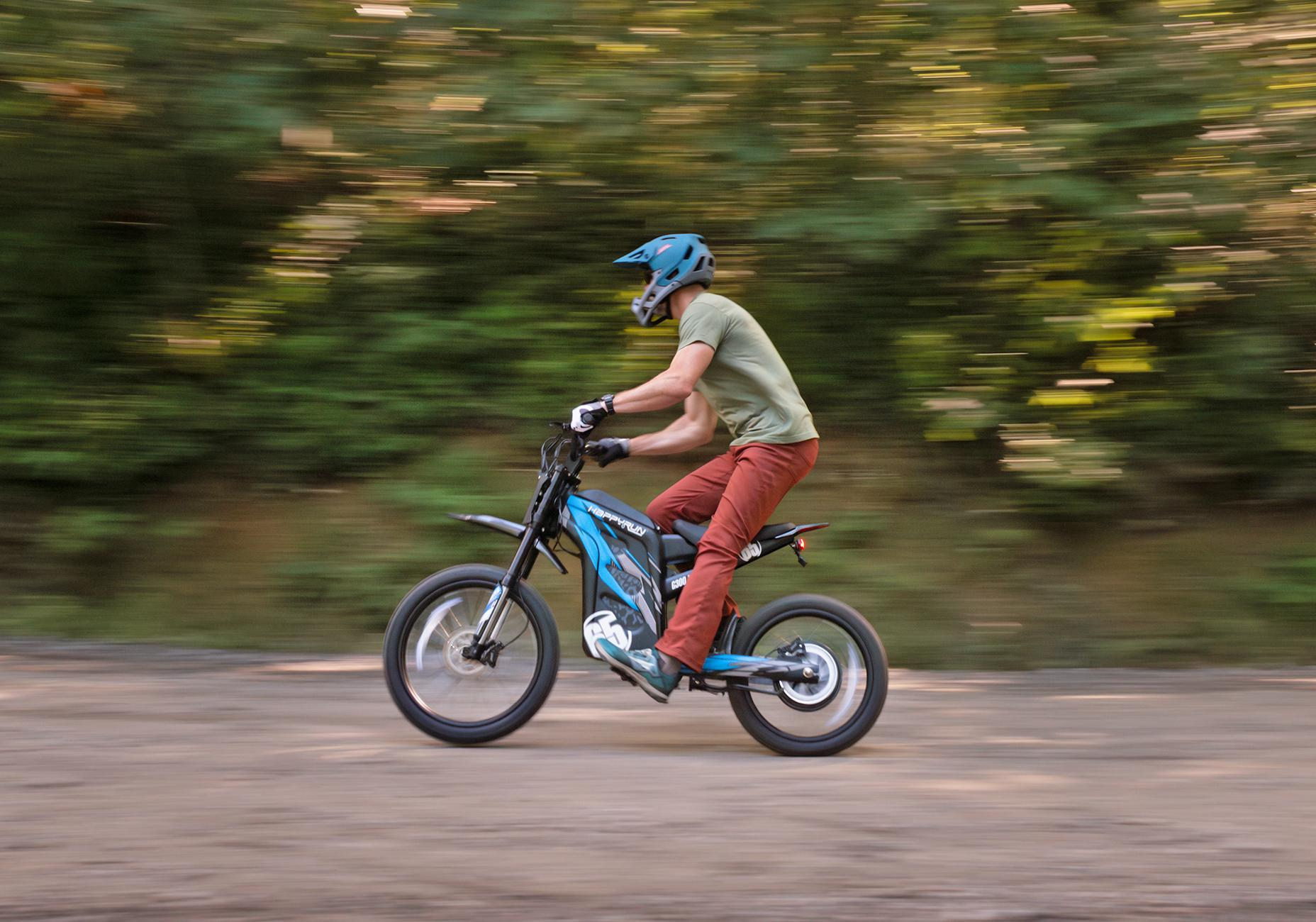
An advertised range figure is a starting reference, not a route plan. A bike that achieves a certain distance under a manufacturer’s test conditions may use energy differently on your local hills, loose surfaces, or repeated short climbs. The return leg can also demand more than the outward leg, even when the distances match.
Plan your early rides around easy exits and opportunities to return, then build a record of the bike’s behavior in your own conditions. That approach is more useful than subtracting a universal percentage from the advertised miles and assuming the result is dependable.
Ask what the range claim describes
Start with electric dirt bike models and specifications, then ask about the conditions behind each range figure. Useful details include the selected mode, speed, rider load, surface, temperature, and battery configuration. A figure labeled “up to” should remain qualified when you record it.
Check whether the stated distance refers to throttle-powered use or includes pedaling on a different type of vehicle. An electric dirt motorcycle and a pedal-assist bicycle should not be compared using range numbers that rely on different rider contributions. Match the test to the machine and the way you intend to use it.
If the conditions are not supplied, mark them as unknown. The number may still help you identify questions for the seller, but it should not determine the length of a remote ride.
Identify what makes your route different
Map the terrain in both directions. Climbing requires energy, while soft ground, repeated acceleration, and higher speeds can increase demand. Rider load, wind, temperature, and the condition and setup of the bike also affect consumption. Several of these factors may change during the same outing.
A downhill outward leg is an especially poor basis for assuming an equally easy return. The same trail becomes a climb on the way back. Do not count on energy recovery during descents unless the specific bike supports it, and do not assume any recovery offsets the energy needed to climb.
Tire setup and maintenance should follow the model’s manual. A range goal is not a reason to use an unsuitable tire pressure or ignore a mechanical problem. Check the bike before leaving, and treat unusual behavior as something to investigate rather than another variable to average into your range estimate.
Learn on short routes with practical exits
For the first outings, choose a permitted riding area where you can complete short loops near your starting point. This lets you observe consumption without committing to a distant turnaround. Confirm that the area allows your specific electric dirt bike; bicycle access does not automatically establish motorcycle access.
Record the starting charge indication, distance, time, mode, and conditions. Make observations at safe stopping places rather than watching the display while riding. Finish with energy remaining and follow the manufacturer’s guidance; deliberately running the battery to shutdown is not a sensible way to establish a route limit.
Repeat the observation under similar conditions before extending the route. A single successful outing does not establish a dependable maximum, especially if the next ride adds hills, colder weather, or a heavier load. Extend your plans gradually while retaining an easy way back.
Use checkpoints instead of waiting for a low-battery warning
Choose places where you can reassess and shorten the ride before reaching a difficult section. Set both route and time limits in advance, informed by your observations and the manufacturer’s guidance. Return earlier if energy use is greater than expected or conditions change.
Do not assume that the last portion of a charge display represents the same usable distance as the first portion. The indication and available performance depend on the bike and operating conditions. A low-battery warning should not be your planned signal to begin a long return.
When comparing HappyRun electric dirt bikes, consider how the documented battery and controls fit this style of riding. Ask how low-charge information is displayed and whether the manual describes reduced output or other limits. Knowing what the bike communicates is useful even before you have personal range records.
For a remote destination, identify access and recovery arrangements as well as battery needs. An emergency plan should not depend on finding an unconfirmed outlet or assuming someone else’s charger will work.
Keep a range log that records the conditions
Use the same fields after each outing so the record can support your next decision:
- Bike and battery configuration: ___; date: ___; approximate temperature: ___.
- Rider and carried load: ___; tire setup checked against the manual: ___.
- Route: ___; distance: ___; climbing and surface notes: ___.
- Riding mode and pace: ___; wind or unusual conditions: ___.
- Starting charge indication: ___; checkpoint readings: ___; finishing indication: ___.
- Unexpected behavior or changes: ___; what to adjust for the next plan: ___.
Compare similar entries rather than averaging every ride together. A smooth, level outing and a muddy climbing session describe different demands. Keep those differences visible instead of reducing your whole experience to one optimistic miles-per-charge figure.
If the bike provides trustworthy energy-use data, watt-hours per mile can add context. For example, a hypothetical recorded use of 600Wh over 12 miles equals 50Wh per mile for that outing. It does not establish that the next route will use the same amount. A simple percentage display should not be treated as an equally precise energy measurement.
Build the route around a return you can justify
Use the most relevant observations you have, allow for uncertainty, and select a route that leaves options if the conditions worsen. There is no single reserve percentage that guarantees a return for every bike, battery, rider, and trail. Less familiar conditions call for a shorter commitment and easier exits.
The aim is to finish a ride with a clearer understanding of the bike, not to prove the advertised maximum. A useful range plan explains the route, the conditions, the reassessment points, and the way home. As your records improve, your plans can become more informed without turning a past result into a promise.